search
Where to stay while chimpanzee tracking in Uganda?

Where to stay while chimpanzee tracking in Uganda?

By Travel guides, Uganda travel guides

Where to stay while chimpanzee tracking in Uganda?

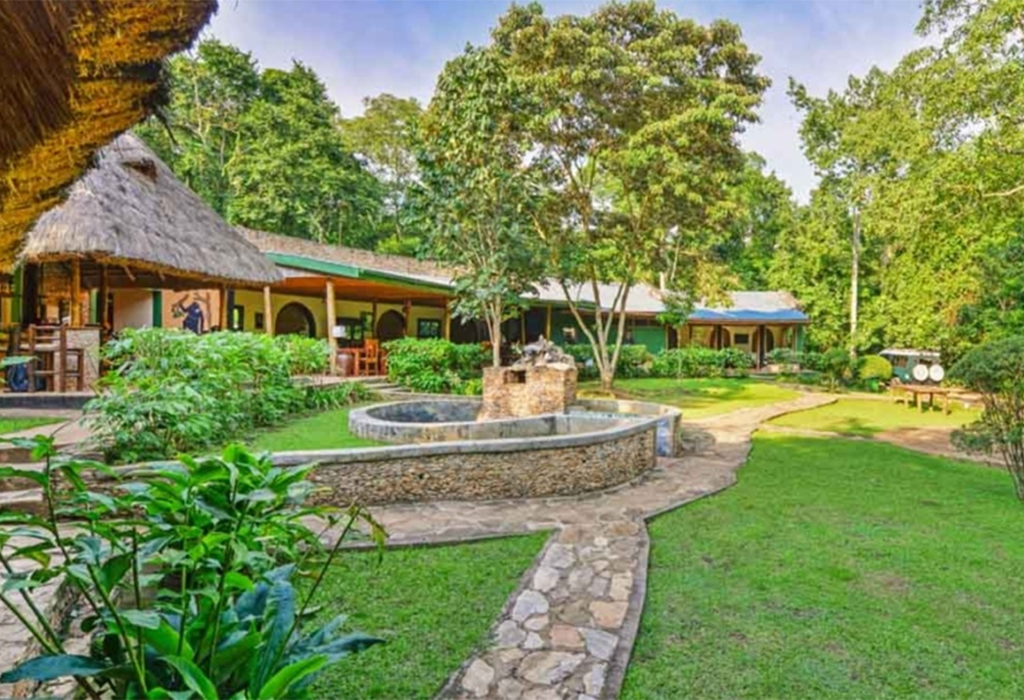
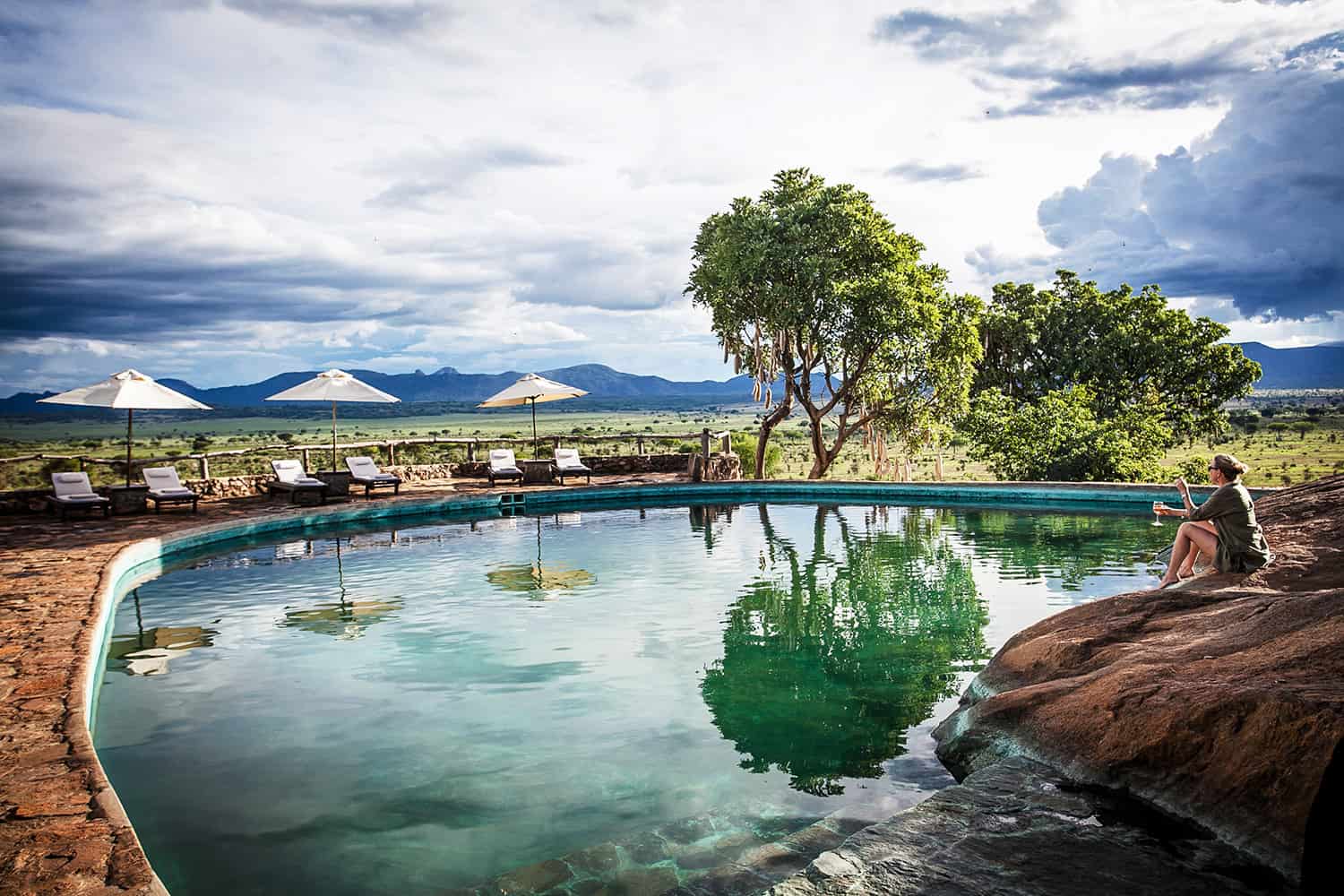
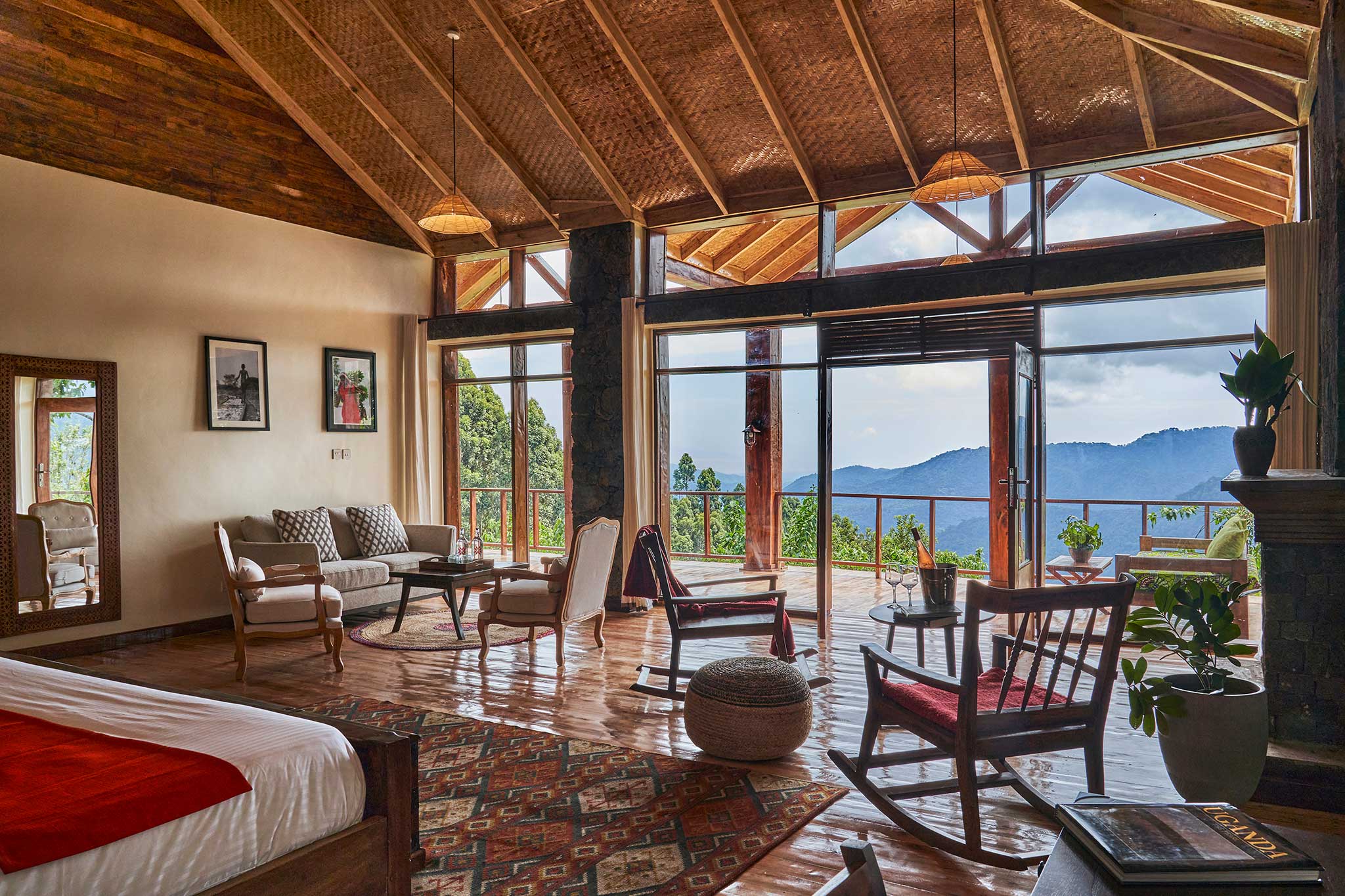
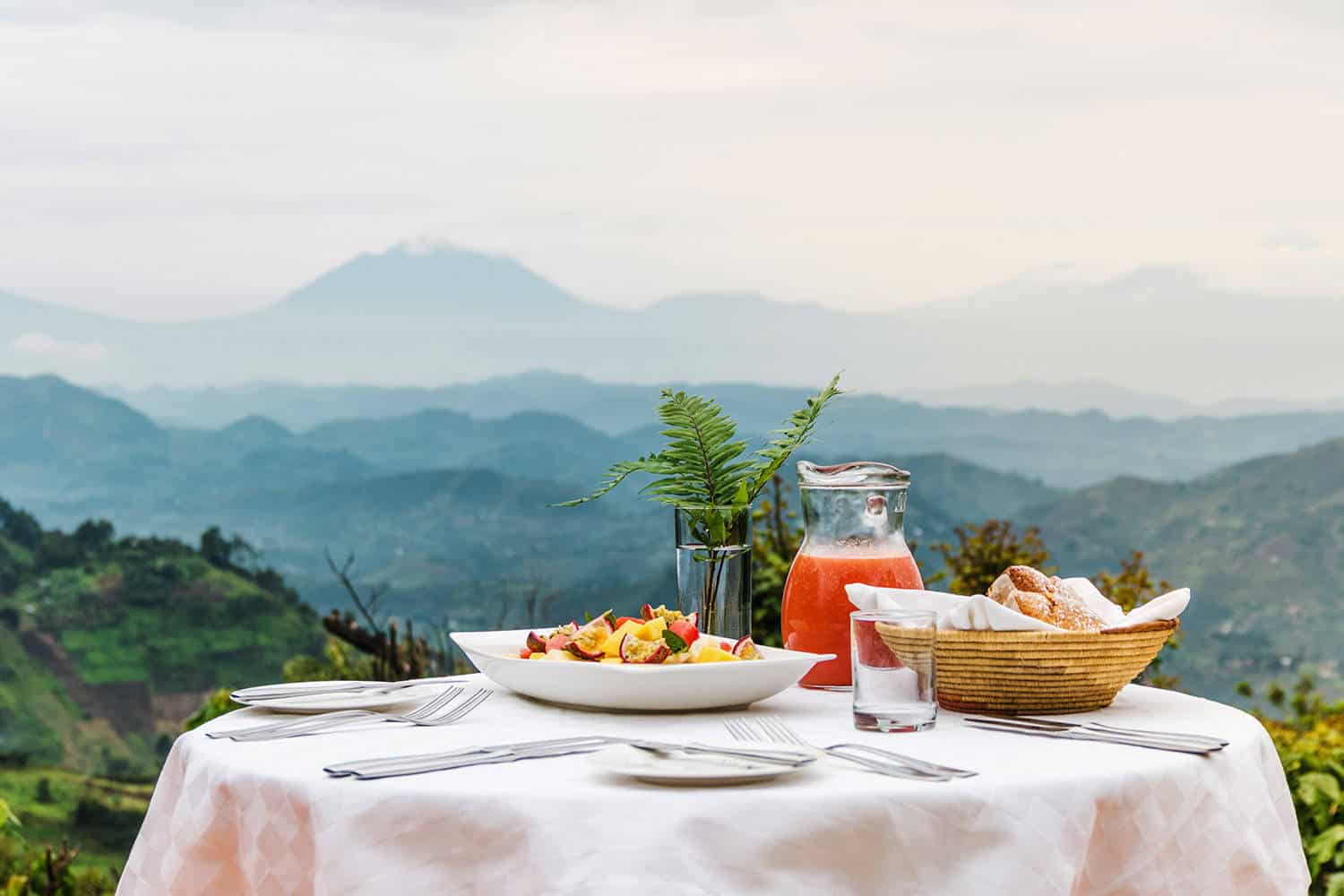
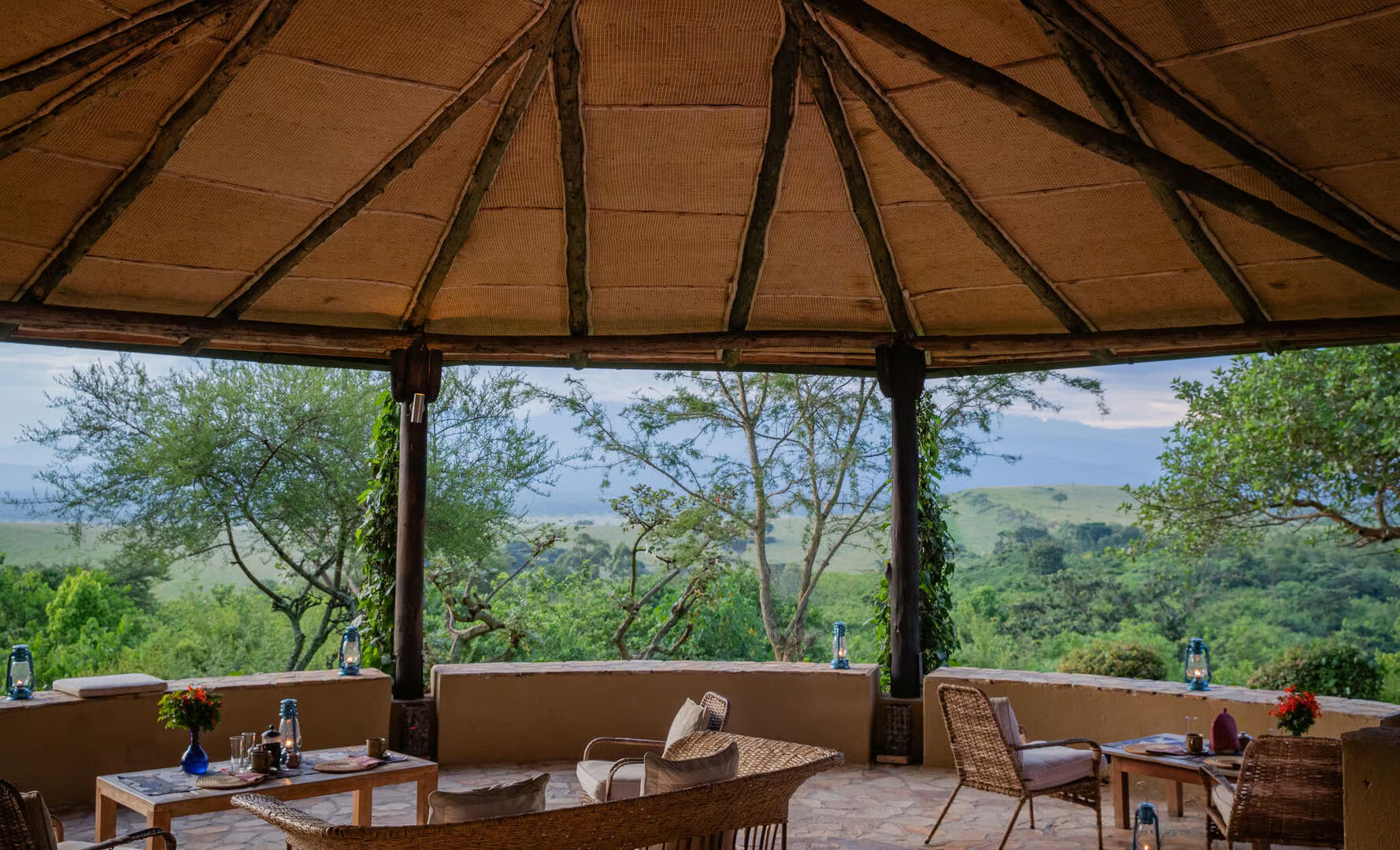
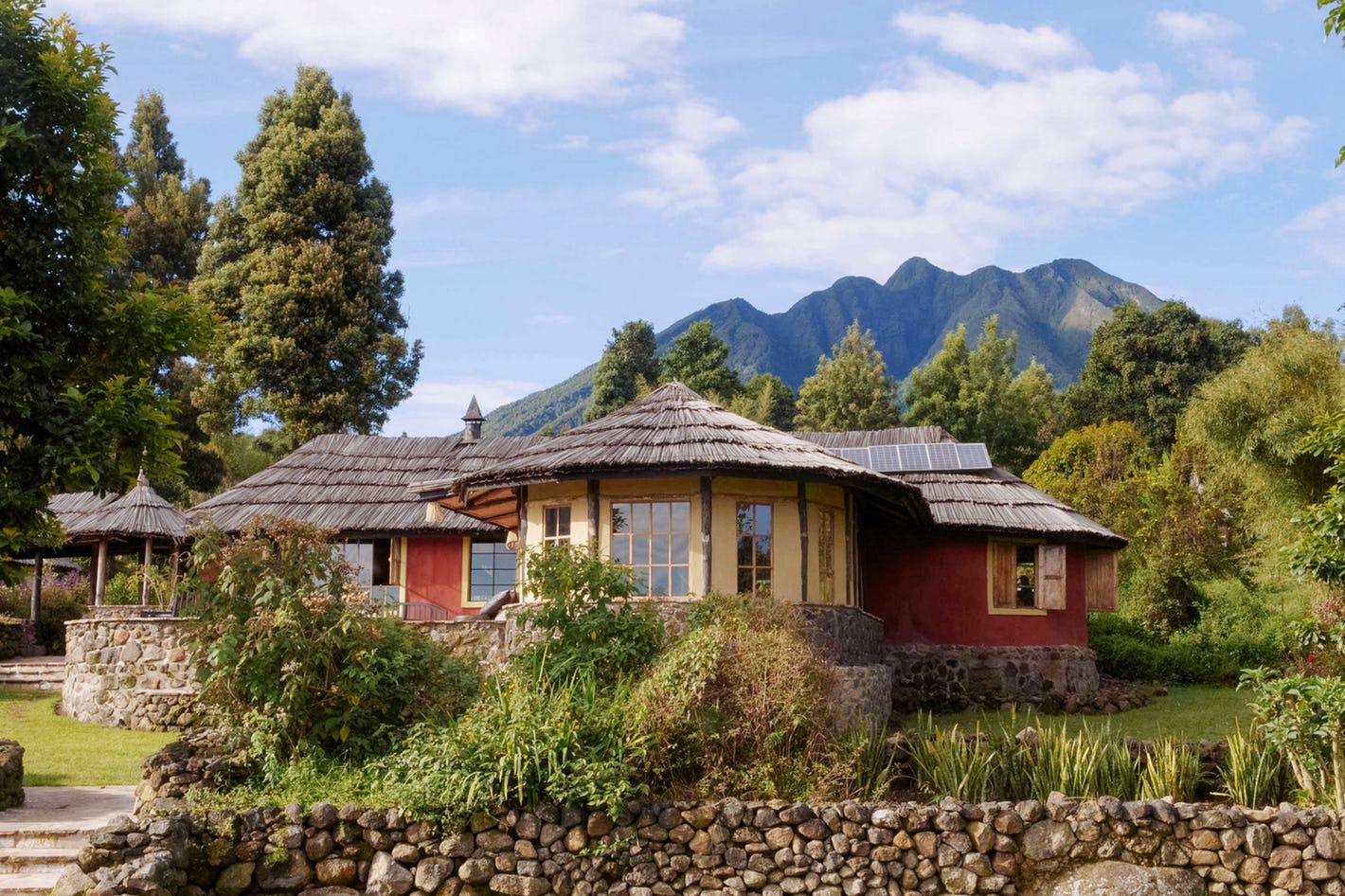
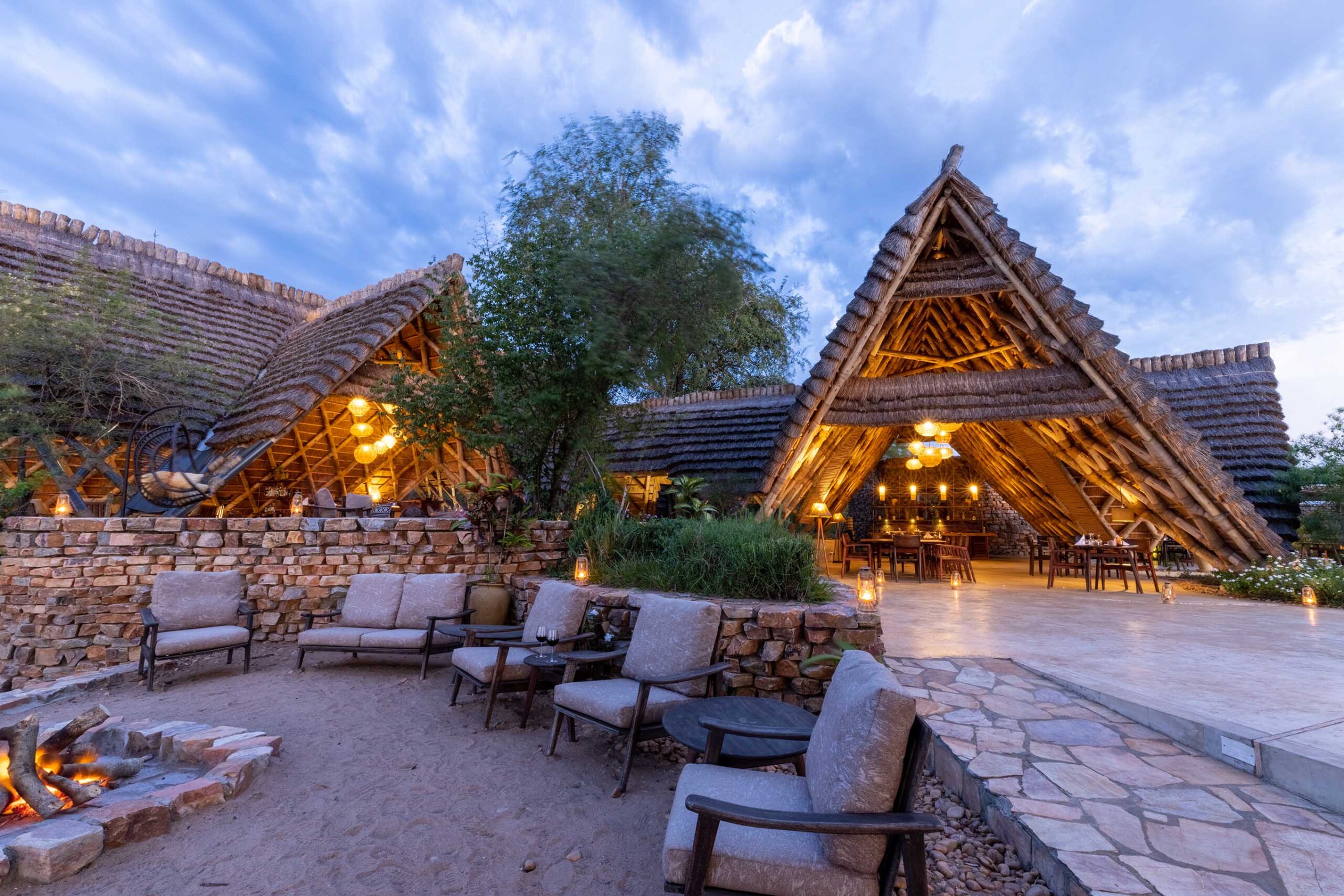
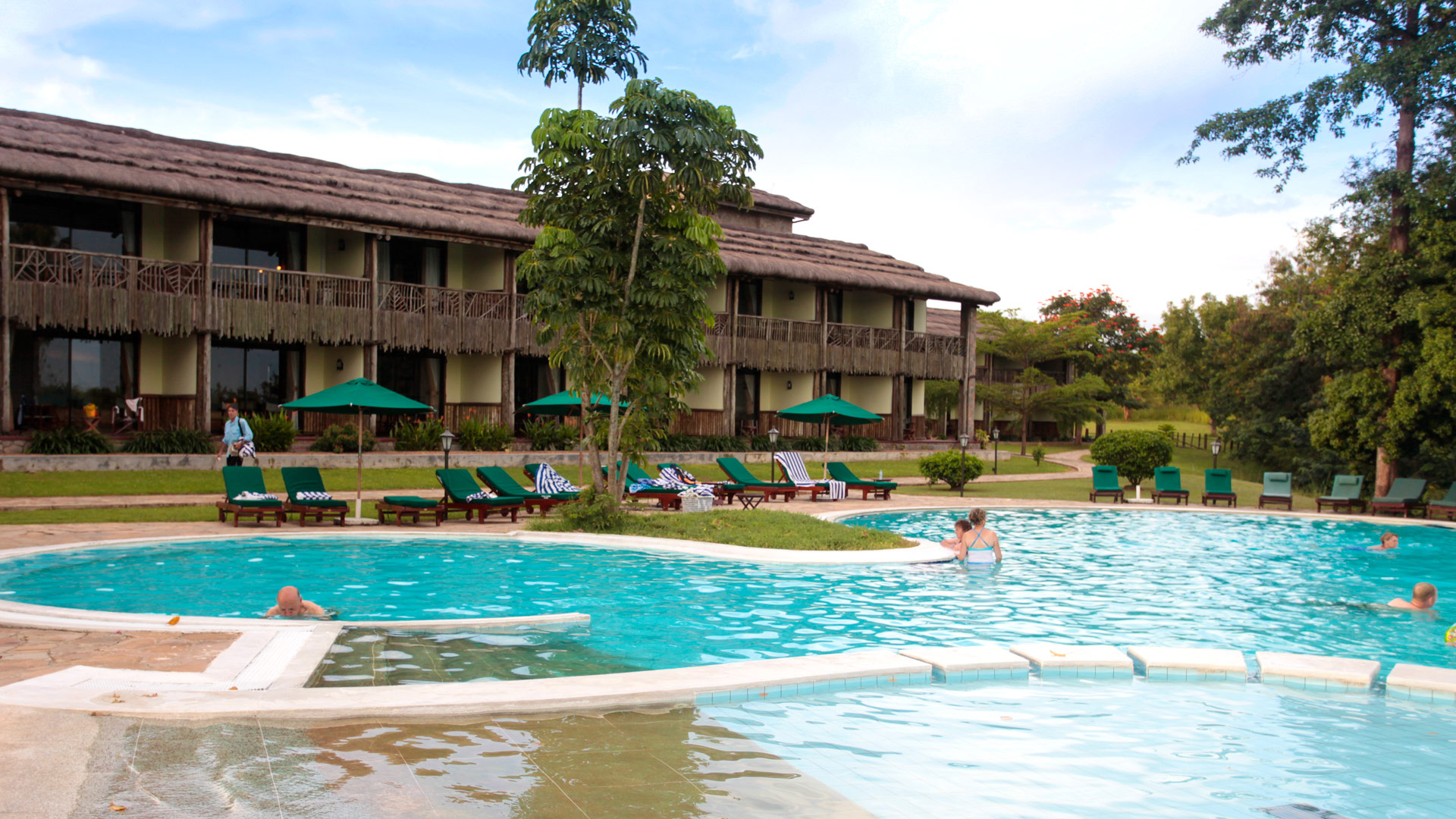
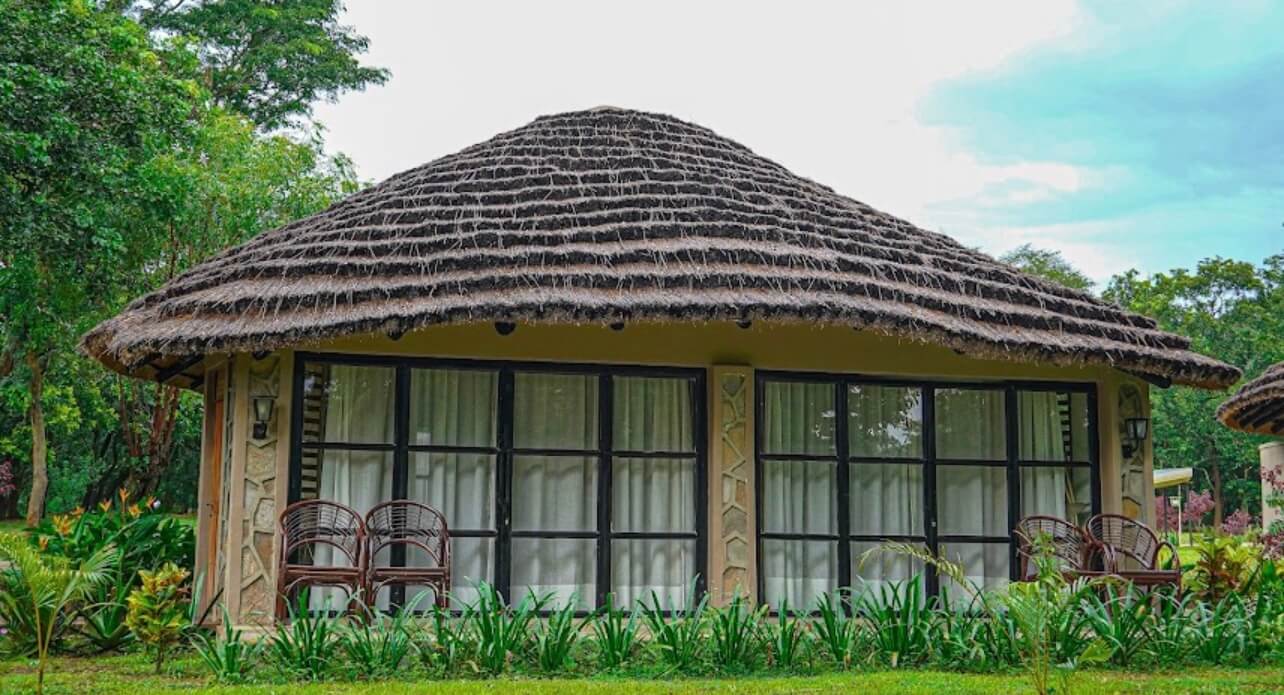
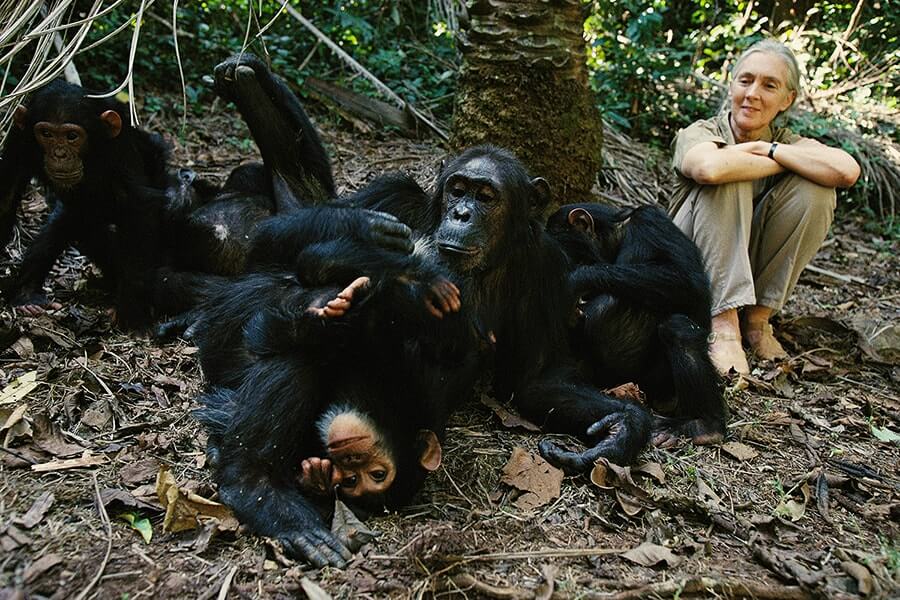
When planning a chimpanzee tracking adventure in Uganda, accommodation options are available to suit a wide range of preferences, from luxury lodges to budget-friendly guesthouses. In areas surrounding Kibale Forest National Park, several lodges and eco-resorts provide convenient access to the forest while offering modern comforts. Staying close to the park ensures that early morning treks can be undertaken with ease, and many lodges incorporate nature-focused designs that blend seamlessly with the lush rainforest environment. Guests often enjoy amenities such as guided walks, birdwatching, and cultural experiences with nearby communities, enhancing the overall wildlife adventure.

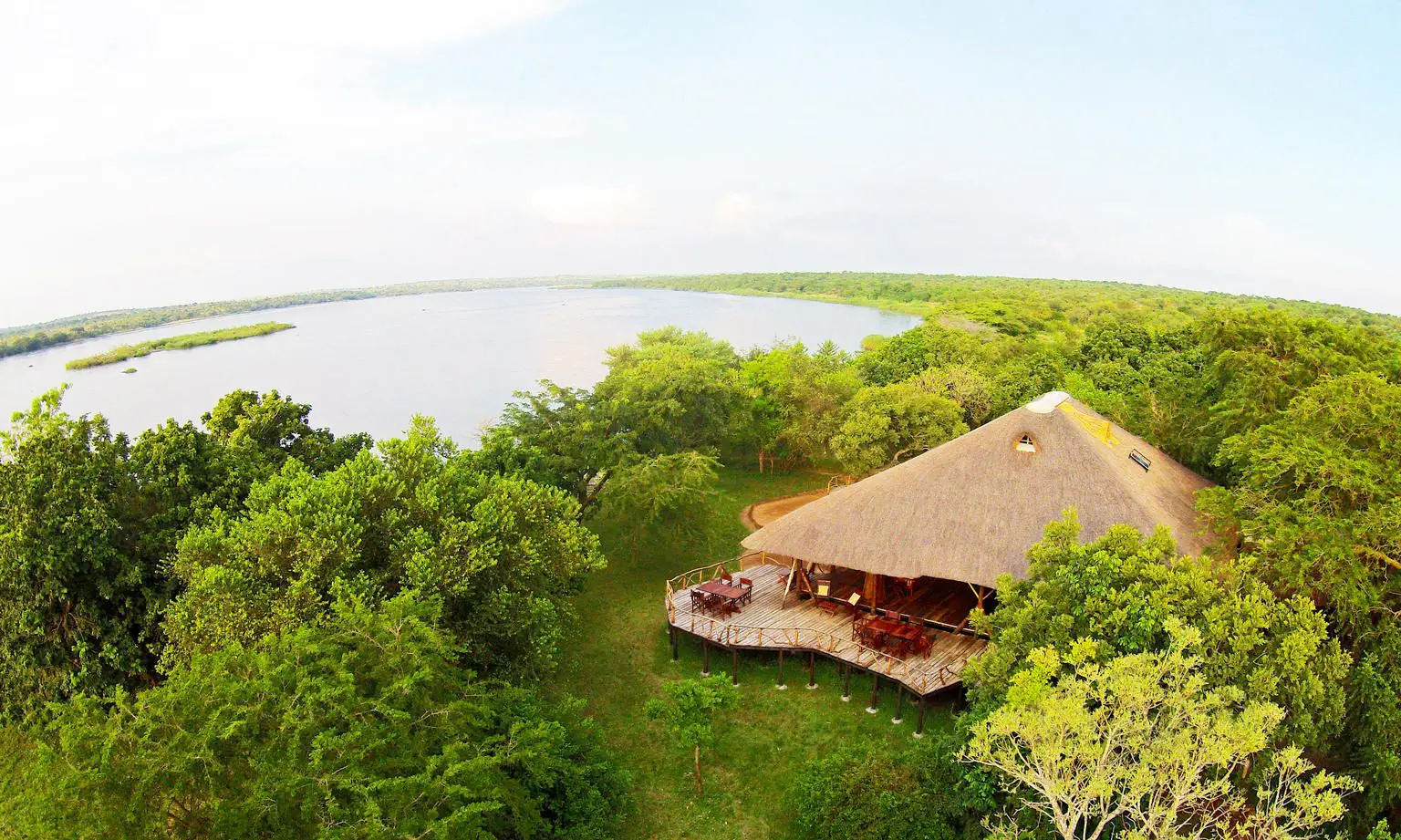
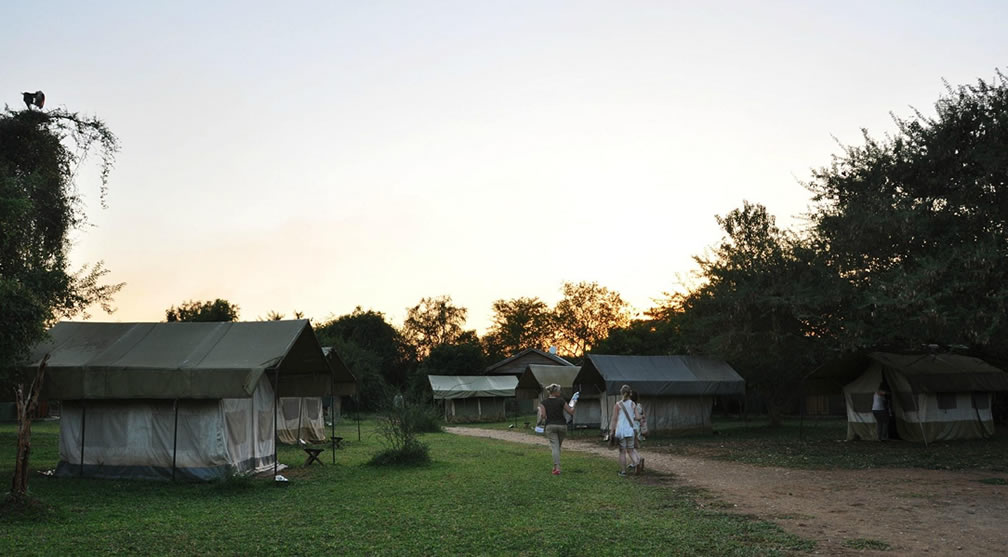
In addition to lodges, boutique camps and guesthouses offer a more intimate and rustic experience for travelers who prefer to be closer to nature. These accommodations, particularly in the vicinity of Budongo Forest Reserve, provide an immersive setting where the sounds of the rainforest become part of the stay. Many eco-camps emphasize sustainable practices, supporting local communities and conservation efforts, which allows visitors to feel directly involved in protecting the chimpanzee habitats they are exploring. The combination of proximity to the forest and responsible tourism principles makes these stays highly appealing to conscientious travelers.

For those seeking a balance between comfort and accessibility, mid-range hotels located in nearby towns such as Fort Portal for Kibale or Masindi for Budongo serve as excellent bases. These establishments offer comfortable rooms, dining facilities, and easy transport arrangements for guided chimpanzee tracking excursions. Staying in these towns also provides opportunities to explore local markets, cultural sites, and other natural attractions, adding diversity to the safari experience. Regardless of the choice of accommodation, all options aim to enhance the chimpanzee tracking adventure by providing convenience, comfort, and connection to Uganda’s vibrant landscapes.

The best time to visit is generally considered to be during the dry season, when weather conditions are more pleasant and travel is less likely to be disrupted, typically based on your preferred destinations. During this period, landscapes are at their most vibrant, wildlife sightings are more frequent, and activities can be enjoyed with greater ease. While visits are possible year-round, choosing this window is often recommended to ensure the most rewarding and comfortable experience.

WhatsApp

Grandeur

Experience the grandeur of Africa with WildHorn Africa, where every safari is designed to showcase the continent’s breathtaking landscapes and majestic wildlife.

24/7 support

Enjoy peace of mind with 24/7 support from WildHorn Africa, ensuring expert assistance before, during, and after your safari adventure.

Safety

Your safety is our top priority at WildHorn Africa, with expertly guided safaris and trusted partners ensuring a secure and worry-free adventure.

Price-quality ratio

WildHorn Africa offers exceptional price-quality ratio, delivering top-tier safari experiences at competitive rates without compromising on comfort.

Where to go chimpanzee tracking in Uganda?

Where to go chimpanzee tracking in Uganda?

By Travel guides, Where to go

Where to go chimpanzee tracking in Uganda?

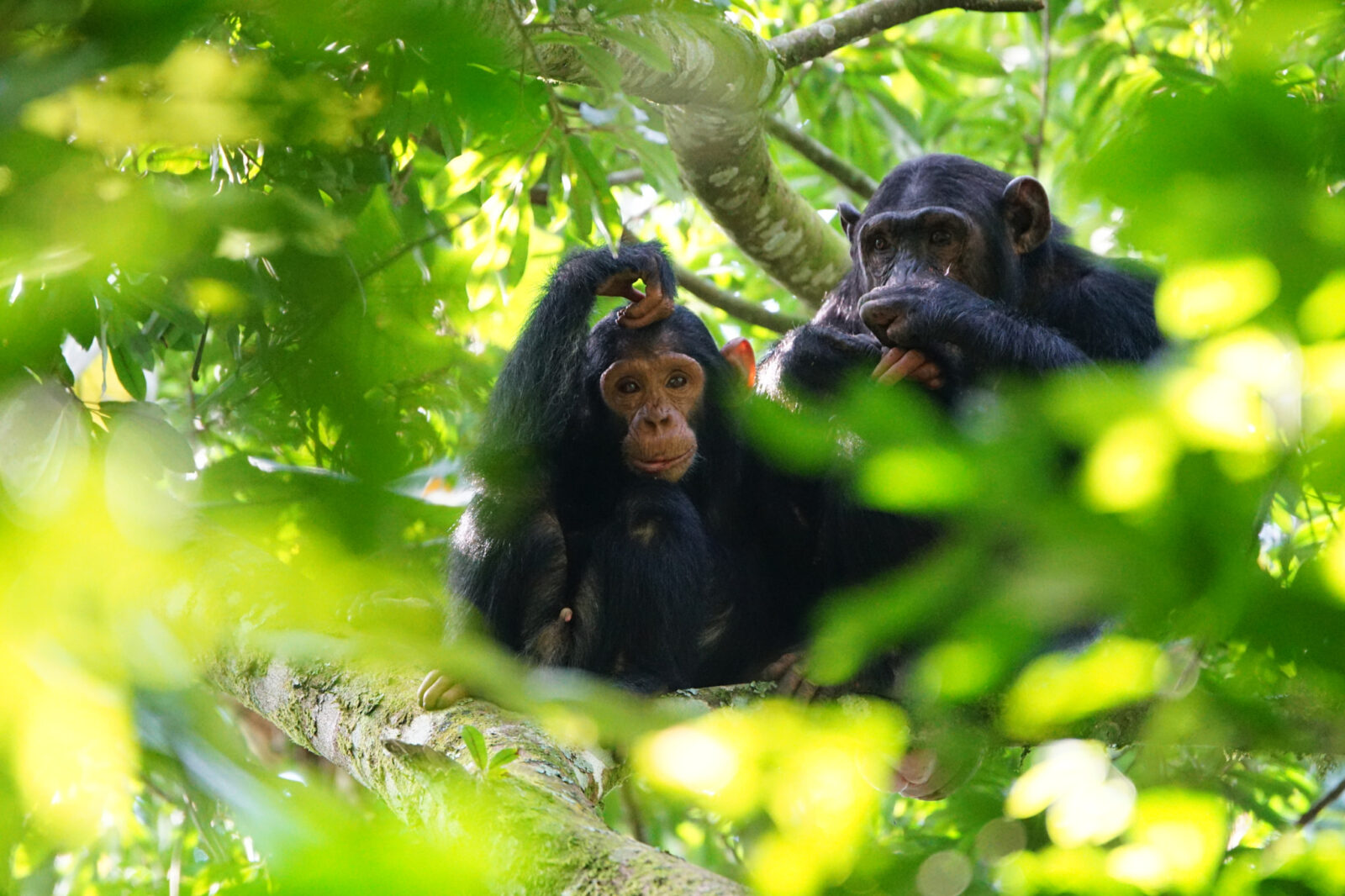
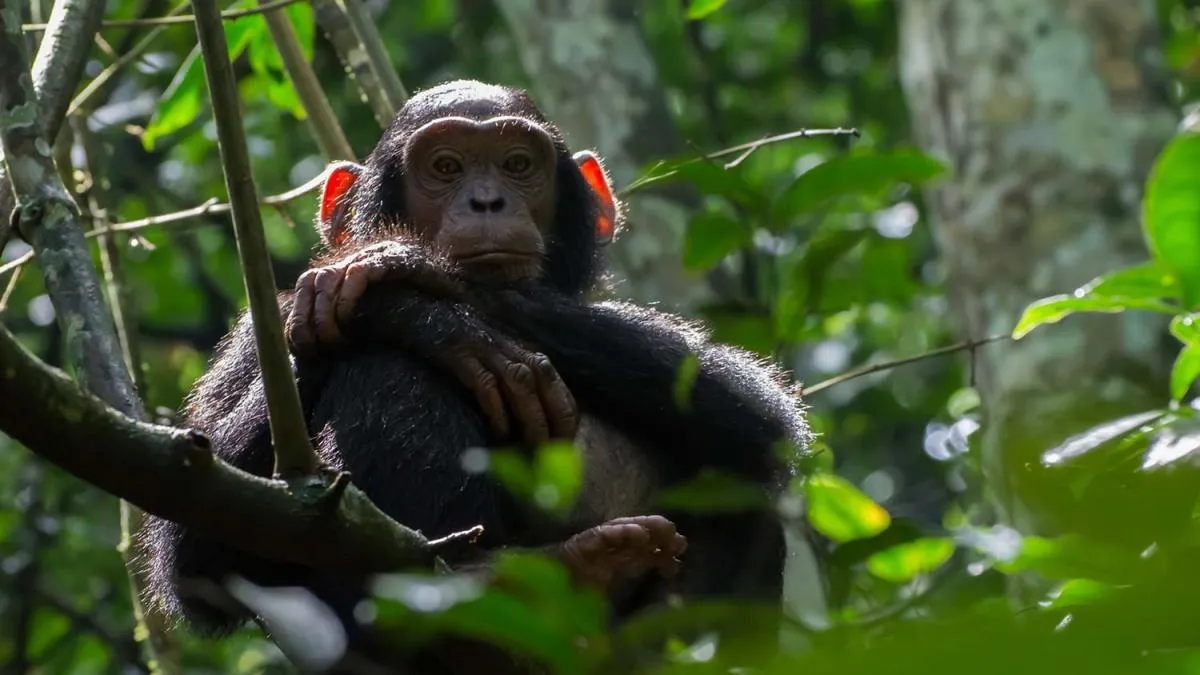
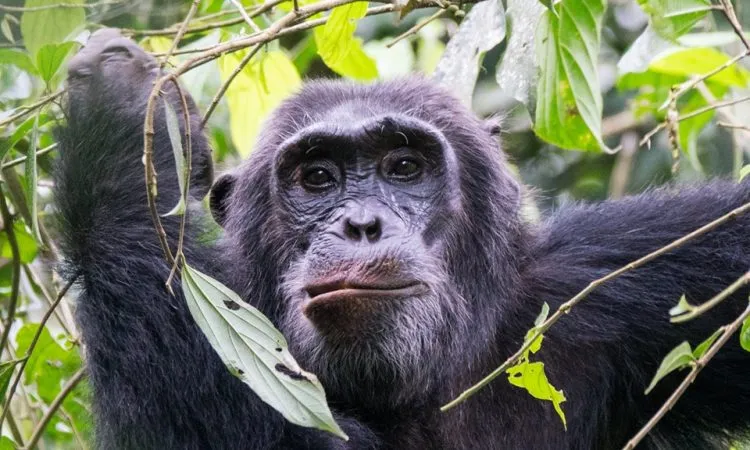
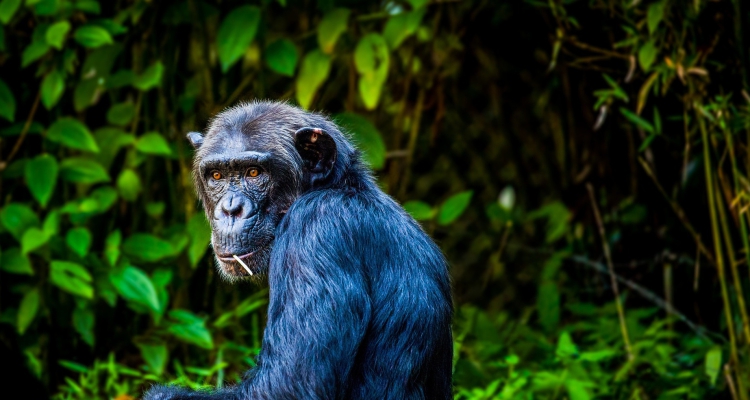
Uganda offers some of the most exceptional chimpanzee tracking experiences in Africa, with lush rainforests providing the perfect habitat for these remarkable primates. Kibale Forest National Park, often referred to as the primate capital of Africa, is the most popular destination for chimpanzee encounters. Home to the highest density of chimpanzees in East Africa, Kibale allows visitors to spend extended hours observing them in their natural environment. The forest is rich with biodiversity, hosting over 13 primate species and hundreds of bird species, making each tracking expedition a truly immersive wildlife experience.

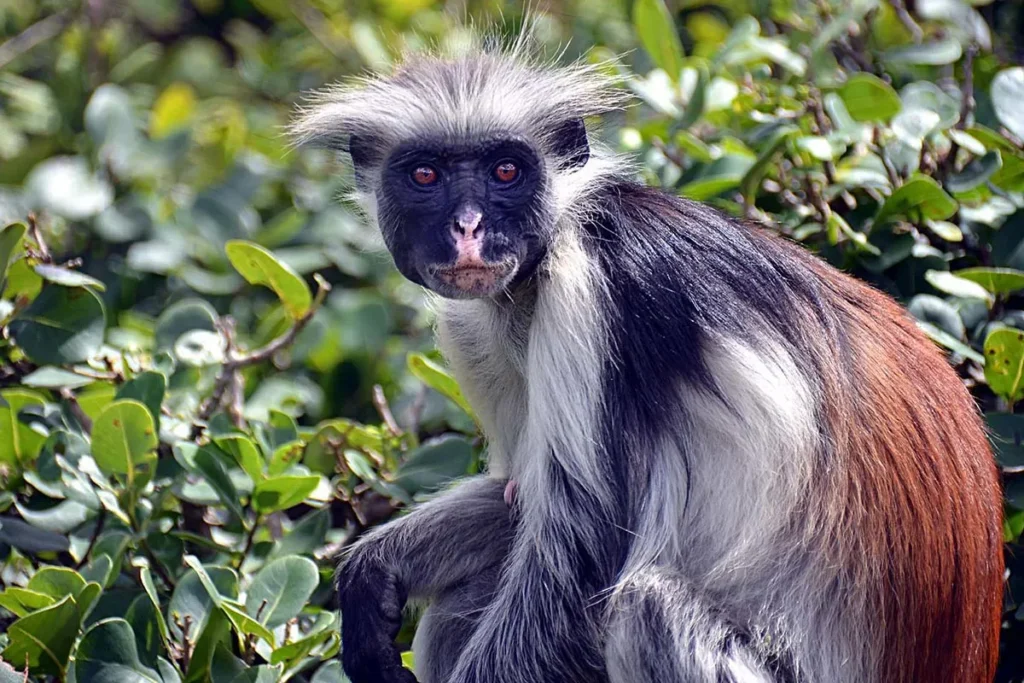
Kalinzu Forest Reserve, located near Queen Elizabeth National Park, provides a more intimate and less crowded alternative for chimpanzee tracking. This forest reserve is celebrated for its well-maintained trails and the habituated chimpanzee communities that allow visitors close yet safe encounters. Treks through Kalinzu also offer opportunities to observe other primates, including red-tailed monkeys and black-and-white colobus monkeys, while enjoying the serene beauty of its tropical canopy. The experience is both educational and conservation-focused, giving insight into primate behavior while supporting ongoing protection efforts.

In addition to Kibale and Kalinzu, Budongo Forest and Kyambura Gorge present unique chimpanzee tracking opportunities in western Uganda. Budongo Forest, with its ancient mahogany trees and extensive trail network, is ideal for researchers and wildlife enthusiasts seeking a quieter, less visited environment. The forest is also known for its rich birdlife and other primates, enhancing the safari experience. Kyambura Gorge, located within Queen Elizabeth National Park, offers a dramatic landscape for tracking chimpanzees, where a narrow rainforest canyon lies amidst the open savannah. Here, trekkers are rewarded with the rare combination of spectacular scenery and fascinating primate behavior, making it a must-visit for those exploring Uganda’s diverse wildlife.

Where to go chimpanzee tracking in Uganda?

Kibale National Park

Kibale National Park is one of Uganda’s premier safari destinations, world-renowned for its dense tropical rainforest, extraordinary biodiversity, and unmatched chimpanzee trekking experiences. Often referred to as the “Primate Capital of the World”, Kibale is a must-visit for nature lovers and wildlife enthusiasts exploring western Uganda.

Kalinzu Forest

Hidden in the mist-clad highlands of western UgandaKalinzu Forest stands as a mesmerizing testament to the power of nature to heal, awaken, and astonish. This forest, dense with centuries-old trees, cloaked in veils of morning fog, and alive with the haunting calls of primates and birds, is one of the last great natural treasures in East Africa.

Budongo Forest

Deep in the heart of northwestern Uganda, where the vast savannah of Murchison Falls National Park meets the lush embrace of the Albertine Rift, lies one of the most biologically rich and ecologically significant rainforests in East Africa—Budongo Forest. Known for its towering mahogany trees, abundant wildlife, and profound scientific history, Budongo remains one of Uganda’s best-kept secrets.

Kyambura Gorge

Kyambura Gorge is more than a geographical marvel; it is a sanctuary of unique ecosystems, a vital conservation area, and a magnet for travelers seeking intimate encounters with Uganda’s most fascinating wildlife. Understanding its location, best visiting times, activities, and surrounding attractions reveals why it remains one of Uganda’s hidden gems.

The best time to visit is generally considered to be during the dry season, when weather conditions are more pleasant and travel is less likely to be disrupted, typically based on your preferred destinations. During this period, landscapes are at their most vibrant, wildlife sightings are more frequent, and activities can be enjoyed with greater ease. While visits are possible year-round, choosing this window is often recommended to ensure the most rewarding and comfortable experience.

WhatsApp

Grandeur

Experience the grandeur of Africa with WildHorn Africa, where every safari is designed to showcase the continent’s breathtaking landscapes and majestic wildlife.

24/7 support

Enjoy peace of mind with 24/7 support from WildHorn Africa, ensuring expert assistance before, during, and after your safari adventure.

Safety

Your safety is our top priority at WildHorn Africa, with expertly guided safaris and trusted partners ensuring a secure and worry-free adventure.

Price-quality ratio

WildHorn Africa offers exceptional price-quality ratio, delivering top-tier safari experiences at competitive rates without compromising on comfort.

Chimpanzee Habituation in Uganda

Chimpanzee Habituation in Uganda

By Travel guides

Chimpanzee Habituation in Uganda 

Uganda is widely celebrated as the Pearl of Africa, a land whose wilderness unfolds in dramatic landscapes, lush rainforests, and vast savannahs teeming with wildlife. While gorilla trekking often takes the spotlight, Uganda also offers another extraordinary wildlife encounter that is both immersive and transformative—the Chimpanzee Habituation in Uganda. This rare activity provides more than a fleeting glimpse of chimpanzees; it allows visitors to spend extended hours observing and learning about them as they go about their daily lives in the wild.

Unlike traditional chimpanzee tracking, which typically lasts a couple of hours, chimpanzee habituation invites travelers into a full-day adventure within Uganda’s pristine forests. It is a scientific and conservation-driven process where wild chimpanzee communities are gradually accustomed to human presence without losing their natural behaviors. For travelers, this means an intimate and educational safari experience that deepens understanding of one of humanity’s closest relatives, while supporting conservation initiatives that protect their fragile habitats.

Where to Go

Chimpanzee habituation in Uganda is primarily carried out in Kibale Forest National Park, which is often referred to as the primate capital of Africa. Nestled in the western part of Uganda, this enchanting rainforest stretches over 760 square kilometers and is home to an astonishing array of wildlife, including 13 different primate species. The park boasts the highest density of chimpanzees in East Africa, making it the most reliable and rewarding location for a habituation experience.

In Kibale, visitors are guided into the forest by trained rangers and researchers, who lead them to chimpanzee communities undergoing habituation. The forest itself is a treasure trove of biodiversity, with towering mahoganies and fig trees forming a lush canopy, beneath which butterflies, birds, and small mammals thrive. Walking into its heart feels like entering a natural cathedral, where the air is heavy with the sounds of chattering monkeys, buzzing insects, and the distant calls of chimpanzees.

While Kibale is the most renowned site for this activity, opportunities also exist in the Budongo Forest Reserve near Murchison Falls National Park. Budongo, with its ancient mahogany trees and rich ecosystems, offers a slightly different but equally rewarding experience, though it is less frequented and therefore feels more secluded. Both sites provide excellent chances to spend extended hours with chimpanzees and witness their interactions in a natural setting.

How to Get There

Reaching Kibale Forest National Park is relatively straightforward, as it is situated near the town of Fort Portal in western Uganda. From Kampala, the capital city, the journey by road covers roughly 300 kilometers and takes about five to six hours. The route winds through rolling hills, tea plantations, and vibrant towns, offering a scenic introduction to Uganda’s rural beauty.

For those seeking a faster and more comfortable option, domestic flights can be arranged from Entebbe International Airport or Kajjansi Airstrip to Kasese or Nyakisharara airstrips, followed by a short drive to Kibale. Traveling by air not only saves time but also provides sweeping aerial views of Uganda’s dramatic landscapes, from crater lakes to the distant Rwenzori Mountains.

Budongo Forest Reserve, on the other hand, is located closer to Kampala, approximately a four to five-hour drive along the Kampala–Gulu highway. Its proximity to Murchison Falls National Park makes it an excellent addition to a northern Uganda safari, allowing visitors to combine chimpanzee habituation with game drives and boat safaris along the Nile.

In both cases, transportation is best handled through a professional safari operator such as WildHorn Africa, ensuring smooth logistics, comfortable transfers, and expert guidance throughout the journey.

The Experience

The Chimpanzee Habituation Experience begins early in the morning, often just after dawn, when the forest is alive with sounds and the chimps are beginning to stir in their nests. Visitors join a team of researchers and rangers as they set out to locate the community that is part of the habituation program. Once the chimpanzees are found, the day unfolds in a rhythm dictated by the primates themselves.

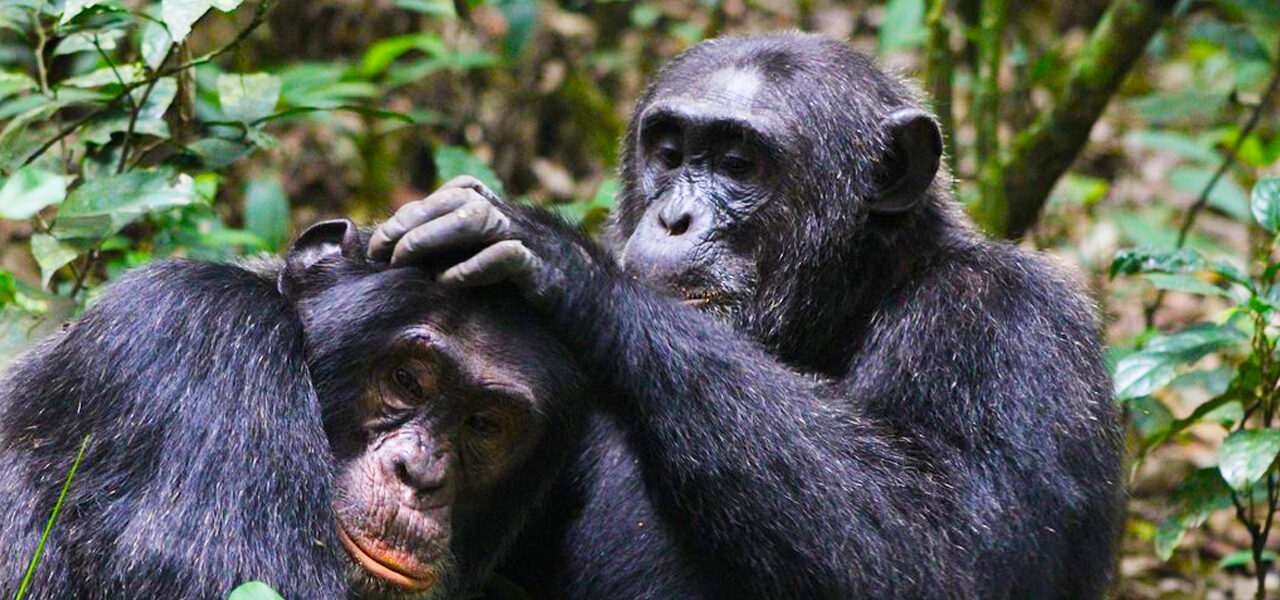
The experience can last from four hours to an entire day, offering a rare chance to follow the chimpanzees as they move through the forest, feed, socialize, and display their remarkable intelligence. Unlike tracking, which provides only a limited hour with habituated groups, habituation grants travelers prolonged access to observe behaviors such as grooming, tool use, play, and communication. Witnessing how a dominant male asserts authority, or how a mother gently nurtures her infant, provides a deeper appreciation of the complex social structures within chimpanzee communities.

The process itself is part of a scientific effort to gradually acclimate chimpanzees to human presence. This ensures that future tracking activities can be conducted without stress to the animals while still preserving their wild instincts. Visitors become part of this conservation initiative, contributing directly to research and protection programs through their participation fees.

The forest setting heightens the experience. As the day progresses, chimpanzee calls echo through the canopy, sometimes followed by dramatic displays of power as branches are shaken and hoots fill the air. The intimate proximity allowed during habituation provides incredible photographic opportunities, but beyond pictures, it is the raw connection to the wild that lingers in memory. Few wildlife encounters rival the intensity and authenticity of spending an entire day in the company of these intelligent primates.

Other Things to Do

While chimpanzee habituation is the highlight of a visit to Kibale Forest or Budongo, both destinations offer additional activities that enrich the safari experience. In Kibale, guided forest walks introduce visitors to other primates such as red colobus monkeys, black-and-white colobus, L’Hoest’s monkeys, and grey-cheeked mangabeys. The park is also a paradise for birdwatchers, with more than 370 species recorded, including the rare green-breasted pitta and the striking great blue turaco.

Nearby, the Bigodi Wetland Sanctuary, a community-run conservation area, provides an excellent opportunity to explore swamp habitats teeming with birds, butterflies, and smaller primates. Walking through the wetlands is not only rewarding for wildlife sightings but also supports local community projects that benefit from tourism revenue.

In Budongo Forest, nature walks beneath towering mahoganies immerse visitors in one of Uganda’s most atmospheric forests. Combined with a trip to Murchison Falls National Park, travelers can enjoy classic safari activities such as game drives to see lions, giraffes, elephants, and buffalo, as well as boat safaris to the base of the thunderous falls where the Nile forces its way through a narrow gorge.

These additional experiences complement chimpanzee habituation, ensuring that a trip to Uganda is as diverse as it is unforgettable.

Best Time to Visit

The best time to embark on chimpanzee habituation in Uganda is during the dry seasons, which occur from December to February and from June to September. During these months, the forest trails are more manageable, and the chances of locating chimpanzees are higher as the vegetation is less dense. Weather conditions are also generally more comfortable, with less rainfall to interrupt trekking activities.

However, the rainy seasons, from March to May and October to November, offer their own rewards. The forest is at its most vibrant, bursting with greenery and filled with heightened bird activity. For travelers who do not mind occasional showers and muddy trails, these months provide a more secluded experience, as there are fewer visitors.

Ultimately, chimpanzee habituation is a year-round activity, and each season presents unique advantages. The dry months are most favorable for ease and comfort, while the wet months appeal to those who enjoy lush landscapes and quieter encounters.

A Trek That Transforms

Chimpanzee habituation is not just an adventure; it is a responsibility. By participating in this experience, travelers play a role in conservation and must do so with respect for both the environment and the animals. Guidelines are in place to ensure minimal disturbance to chimpanzees. Visitors are required to maintain a safe distance, avoid direct eye contact, and refrain from behaviors that may stress or endanger the primates.

Conservation fees contribute directly to protecting chimpanzee habitats, funding ranger patrols, and supporting local communities who live alongside these forests. Travelers are encouraged to engage respectfully with community projects, purchase local crafts, and support initiatives that empower residents through sustainable tourism.

Responsible travel also means preparing adequately for the trek. Suitable footwear, long clothing, insect repellent, and a respectful attitude towards nature enhance both safety and experience. The goal is to leave no trace behind except positive contributions to conservation and local livelihoods.

By choosing chimpanzee habituation, travelers become partners in safeguarding Uganda’s unique natural heritage, ensuring that future generations can also share in the wonder of meeting chimpanzees in their wild homes.

Travel with Confidence

Chimpanzee Habituation in Uganda is an unparalleled experience that goes far beyond a simple wildlife sighting. It offers extended time in the company of one of the planet’s most intelligent species, while directly supporting conservation efforts and enriching local communities. Set within the lush forests of Kibale and Budongo, the experience combines adventure, education, and responsibility in equal measure, making it one of the most rewarding safaris in Africa.

For those seeking a journey that blends luxury, wilderness, and purpose, Uganda’s chimpanzee habituation stands as an unmissable highlight. To ensure a seamless and memorable adventure, travelers are encouraged to book their Africa tours and safaris with WildHorn Africa, a trusted operator dedicated to delivering exceptional, conservation-focused journeys across the continent.

Together We Build your dream holiday
Customize your experience
Customize

Kibale National Park

Kibale National Park is one of Uganda’s premier safari destinations, world-renowned for its dense tropical rainforest, extraordinary biodiversity, and unmatched chimpanzee trekking experiences.

Budongo Forest

Deep in the heart of northwestern Uganda, where the vast savannah of Murchison Falls National Park meets the lush embrace of the Albertine Rift, lies one of the most biologically rich and ecologically significant rainforests in East Africa—Budongo Forest.

Grandeur

Experience the grandeur of Africa with WildHorn Africa, where every safari is designed to showcase the continent’s breathtaking landscapes and majestic wildlife.

24/7 support

Enjoy peace of mind with 24/7 support from WildHorn Africa, ensuring expert assistance before, during, and after your safari adventure.

Safety

Your safety is our top priority at WildHorn Africa, with expertly guided safaris and trusted partners ensuring a secure and worry-free adventure.

Price-quality ratio

WildHorn Africa offers exceptional price-quality ratio, delivering top-tier safari experiences at competitive rates without compromising on comfort.

Where to go to gorilla trekking in Uganda

Where to go to gorilla trekking in Uganda?

By Travel guides, Uganda travel guides

Where to go to gorilla trekking in Uganda?

Where to go to gorilla trekking in Uganda?

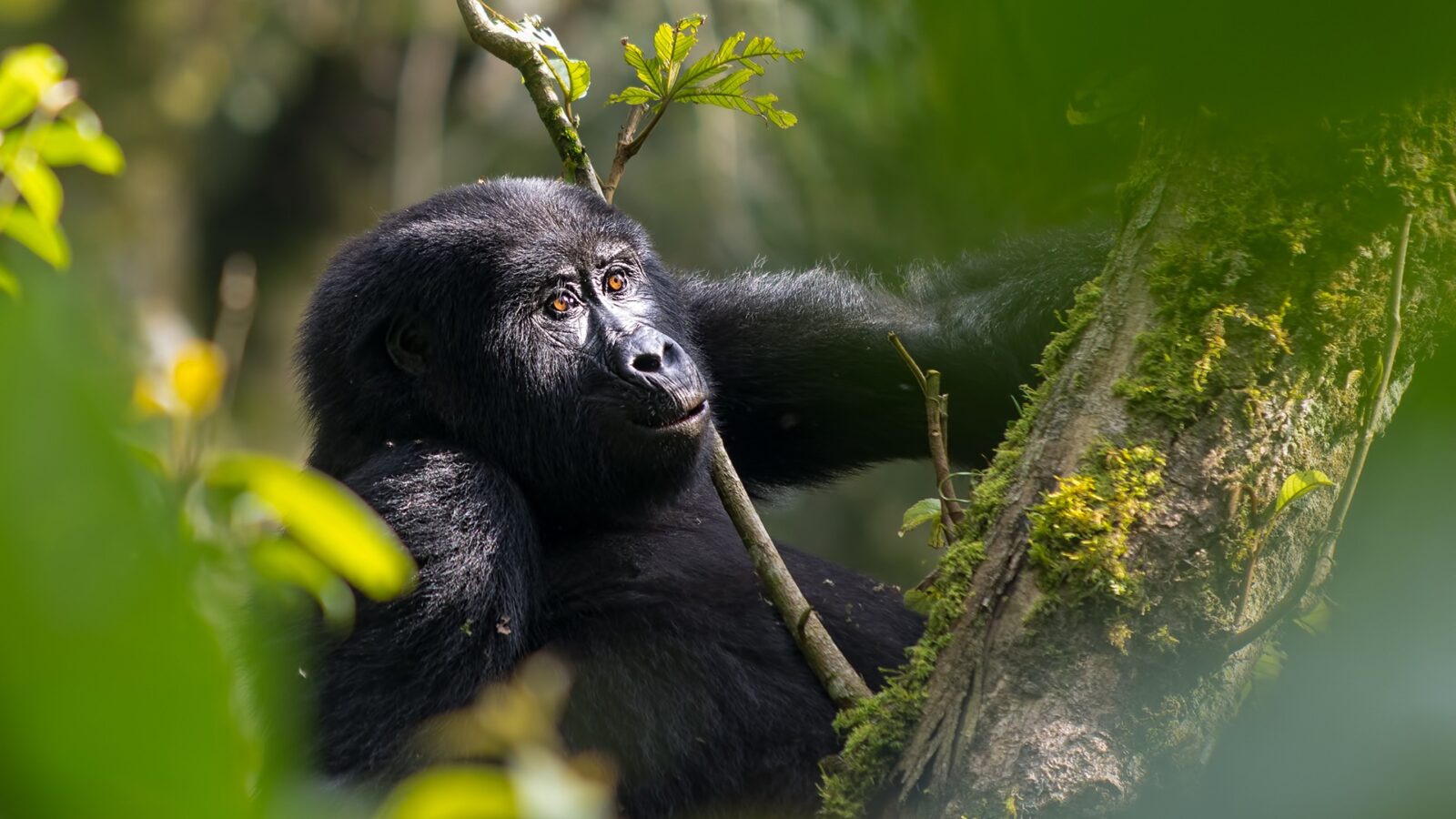
In Uganda, gorilla trekking is carried out in two remarkable destinationsBwindi Impenetrable National Park and Mgahinga Gorilla National Park — both found in the country’s scenic southwestern highlands. These pristine rainforests have been placed among the world’s most coveted bucket list holidays, drawing visitors from across the globe to witness endangered mountain gorillas in their natural habitat. The experience is often incorporated into adventure holidays or wildlife holidays, offering travelers the chance to combine the thrill of trekking with the beauty of Uganda’s landscapes. Whether arranged as private holidays, group holidays, or family holidays, the journey delivers rare encounters and unforgettable memories.

The regions where gorilla trekking is undertaken also provide opportunities to weave in other forms of travel. Many itineraries are designed to combine the trek with cultural holidays in nearby communities, birding holidays in Uganda’s rich avian habitats, or climbing & hiking holidays in the Rwenzori or Virunga ranges. For those seeking extra comfort, luxury holidays and private villas & accommodations holidays offer refined stays, while more adventurous travelers may opt for off the beaten holidays into remote, unspoiled corners of the country. The allure extends to honeymoon holidays, solo holidays, and special holidays, ensuring that each journey is tailored to the traveler’s style and occasion.

Though famous for gorillas, Uganda’s trekking destinations are often paired with other African adventures. Some visitors choose beach holidays along Lake Victoria’s tranquil islands before or after their trek, while others extend their travels to neighboring countries for the legendary wildebeest migration holidays. Photographers are drawn to the region for photography holidays, capturing the drama of wildlife and the lush forest scenery, while primate holidays expand the experience to include chimpanzee and golden monkey tracking. No matter how it is planned, the places chosen for gorilla trekking in Uganda remain at the heart of Africa’s most memorable and transformative travel experiences.

Where to go to gorilla trekking in Uganda?

Bwindi Impenetrable National Park

Nestled in the southwestern corner of Uganda, Bwindi Impenetrable National Park is one of Africa’s most biologically diverse rainforests and a UNESCO World Heritage Site. Famed for being home to almost half of the world’s remaining mountain gorilla population, Bwindi offers an unforgettable experience for nature lovers, adventure seekers, and wildlife enthusiasts.

Mgahinga Gorilla National Park

Tucked away in the southwestern corner of Uganda, Mgahinga Gorilla National Park is a hidden gem for travelers seeking a more intimate and scenic mountain gorilla trekking experience. Although smaller and lesser-known than its neighbor Bwindi, Mgahinga holds its own with its dramatic volcanic landscapes, cultural richness, and unique wildlife encounters.

The best time to visit is generally considered to be during the dry season, when weather conditions are more pleasant and travel is less likely to be disrupted, typically based on your preferred destinations. During this period, landscapes are at their most vibrant, wildlife sightings are more frequent, and activities can be enjoyed with greater ease. While visits are possible year-round, choosing this window is often recommended to ensure the most rewarding and comfortable experience.

WhatsApp

Grandeur

Experience the grandeur of Africa with WildHorn Africa, where every safari is designed to showcase the continent’s breathtaking landscapes and majestic wildlife.

24/7 support

Enjoy peace of mind with 24/7 support from WildHorn Africa, ensuring expert assistance before, during, and after your safari adventure.

Safety

Your safety is our top priority at WildHorn Africa, with expertly guided safaris and trusted partners ensuring a secure and worry-free adventure.

Price-quality ratio

WildHorn Africa offers exceptional price-quality ratio, delivering top-tier safari experiences at competitive rates without compromising on comfort.

Gorilla habituation in Uganda

Gorilla habituation in Uganda

By Travel guides, Uganda travel guides

Gorilla habituation in Uganda 

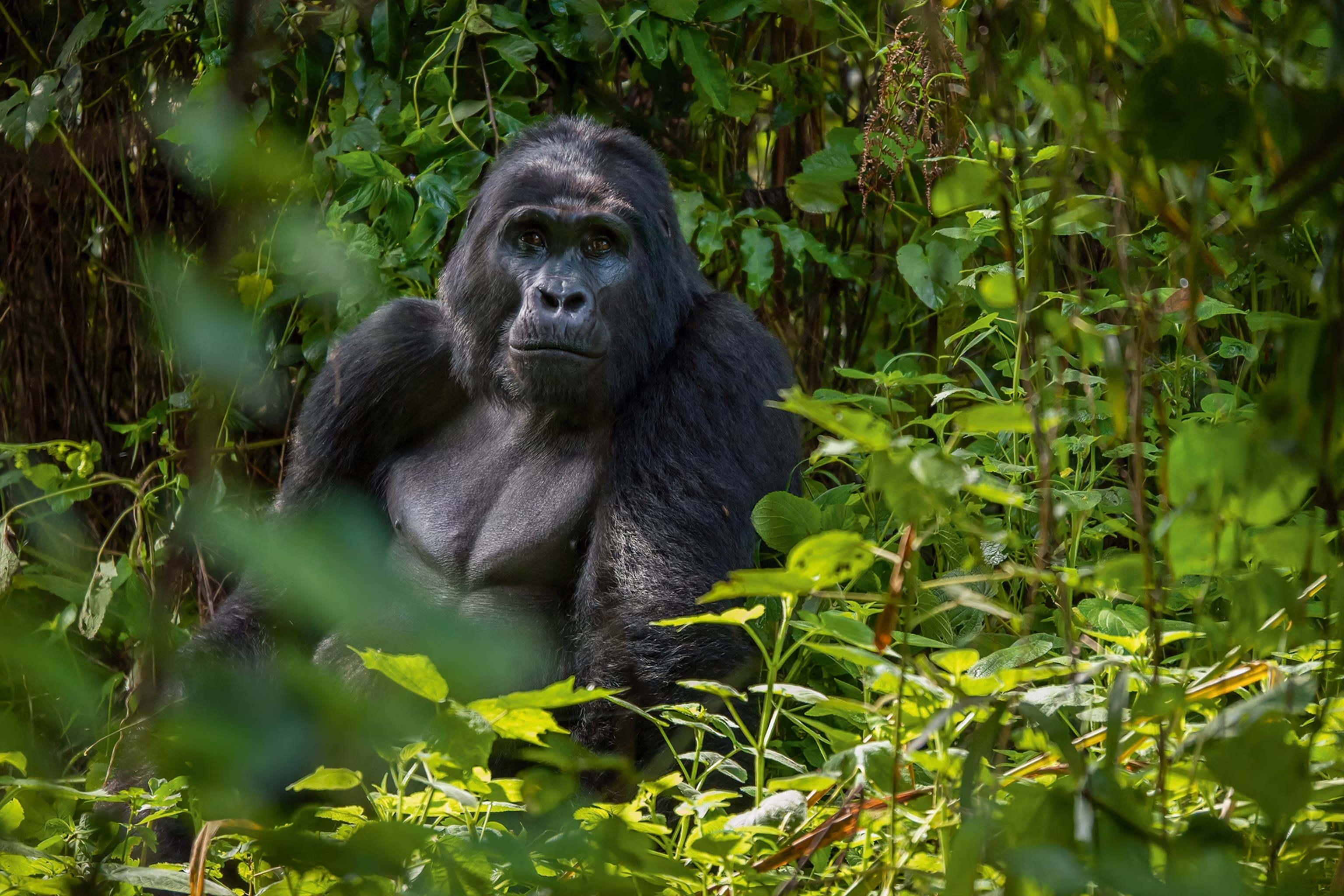
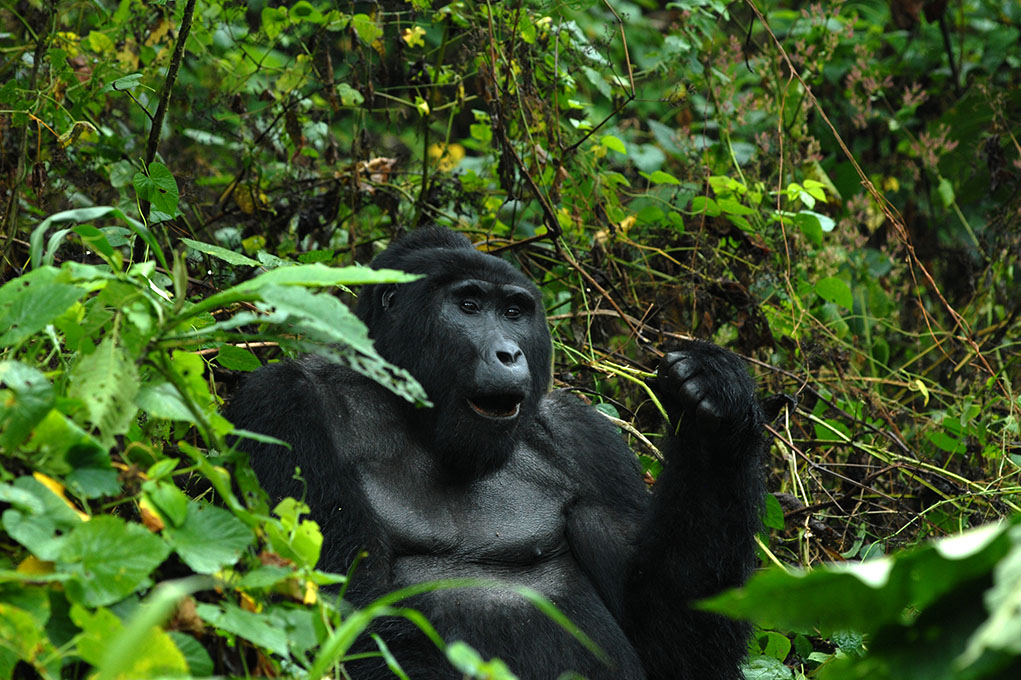
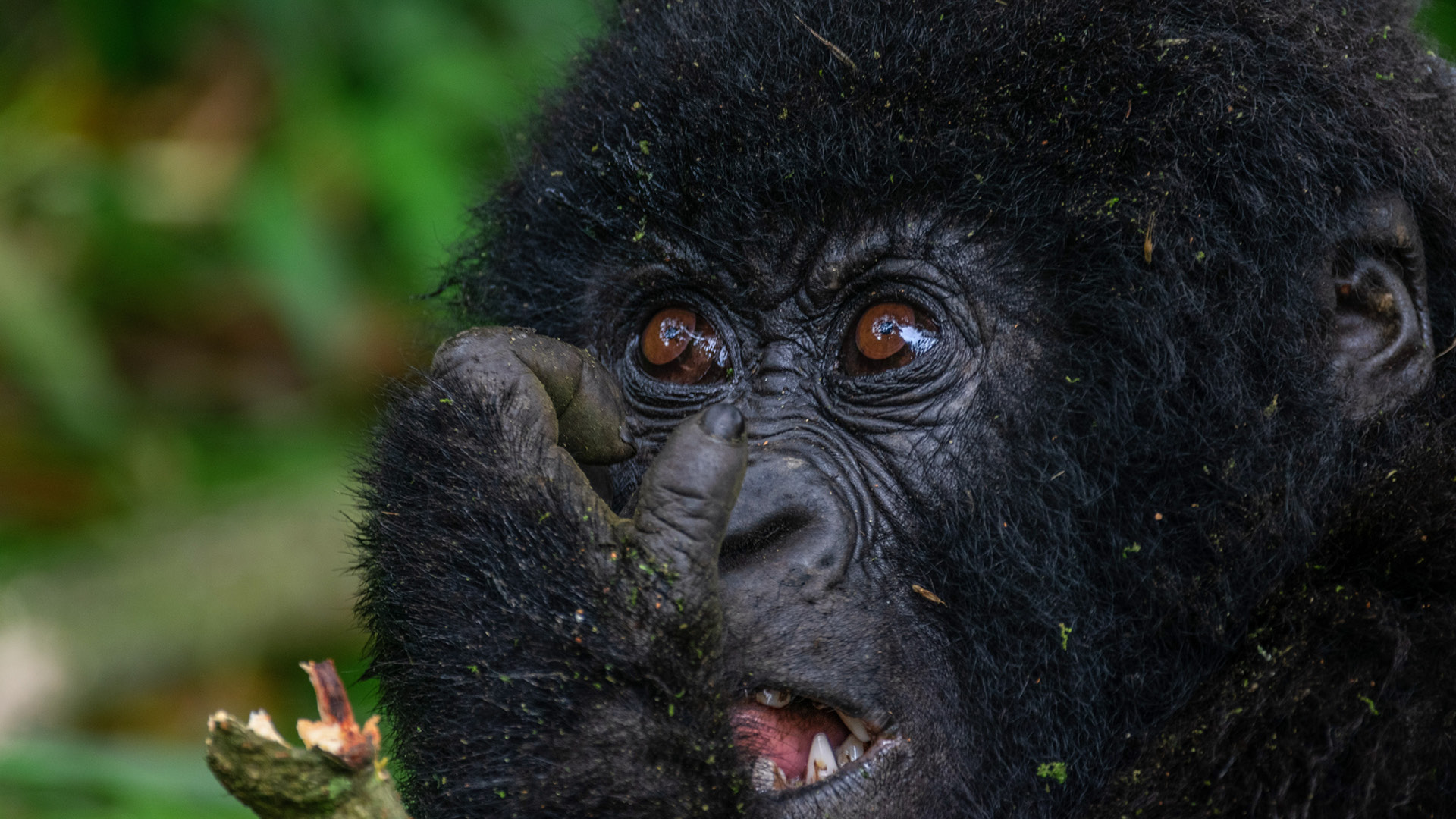
In the heart of East Africa lies a land of misty mountains, ancient rainforests, and one of the most intimate wildlife experiences in the world — gorilla habituation. Few moments in nature can rival the breathtaking encounter of sitting only meters away from a family of wild mountain gorillas, watching them feed, groom, and interact with one another. In Uganda, this experience goes beyond mere observation; it is a rare opportunity to witness the delicate process of habituation, where gorillas are gradually accustomed to human presence without losing their natural behavior.

Unlike standard gorilla trekking, which offers a single hour with these endangered primates, gorilla habituation allows up to four precious hours in their company, creating an unparalleled immersion into their world. Conducted under the guidance of experienced researchers and rangers, this experience offers not only a closer view but also a deeper understanding of their behavior, social structure, and conservation needs. For wildlife enthusiasts, conservationists, and adventure travelers alike, this is the pinnacle of eco-tourism in Africa.

Where to Go

Gorilla habituation in Uganda takes place in Bwindi Impenetrable National Park, a UNESCO World Heritage Site renowned for its rich biodiversity and thick tropical rainforest. This pristine wilderness is home to nearly half of the world’s remaining mountain gorillas, making it a stronghold for their survival.

The habituation experience is available exclusively in the park’s Rushaga sector, located in the southern part of Bwindi. Here, specially selected gorilla families are slowly introduced to human presence through a careful, years-long process. The setting is nothing short of magical — towering trees draped in vines, tangled undergrowth teeming with birdlife, and mist lingering in the valleys.

Bwindi is more than just a home for gorillas. It is a living, breathing ecosystem, sheltering over 120 species of mammals, more than 350 bird species, and countless butterflies, orchids, and medicinal plants. The richness of this environment not only supports gorilla life but also offers travelers a chance to immerse themselves in one of Africa’s most diverse habitats.

How to Get There

Reaching Bwindi Impenetrable National Park is part of the adventure. The journey typically begins in Entebbe or Kampala, where international travelers land before embarking on either a scenic road trip or a short domestic flight. By road, the trip takes approximately 8 to 10 hours, winding through Uganda’s rolling hills, rural villages, and lush countryside. Though long, the drive offers a vivid glimpse into Uganda’s rural life and landscapes.

Alternatively, travelers may opt for a domestic flight from Entebbe or Kajjansi to Kisoro or Kihihi Airstrip, which are within a few hours’ drive of Bwindi’s southern sector. This option not only saves time but also provides spectacular aerial views of Uganda’s dramatic terrain.

From the nearest towns, visitors are transported into the heart of the park via narrow, winding roads surrounded by thick jungle. The approach itself builds anticipation, with every turn bringing the forest closer until its ancient canopy finally towers above.

The Habituation Experience

The day of a gorilla habituation trek begins early, often before dawn, with a briefing by Uganda Wildlife Authority rangers. Participants are reminded of strict conservation protocols to ensure both their safety and the wellbeing of the gorillas. The trek itself can be physically demanding, lasting several hours and involving steep climbs, slippery trails, and dense vegetation. However, every step deep into the forest brings a heightened sense of wonder.

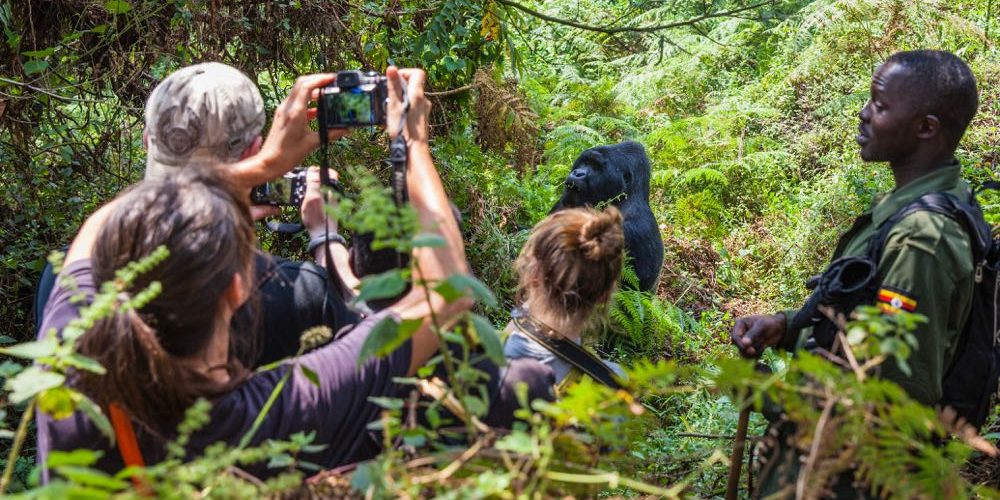
Upon finding the gorilla group, the clock for the four-hour experience begins. Unlike in standard trekking, where observers remain mostly passive, habituation allows for a more interactive form of observation. Researchers and trackers share real-time insights, identifying individuals, explaining behaviors, and describing the challenges of integrating human presence without disturbing natural routines.

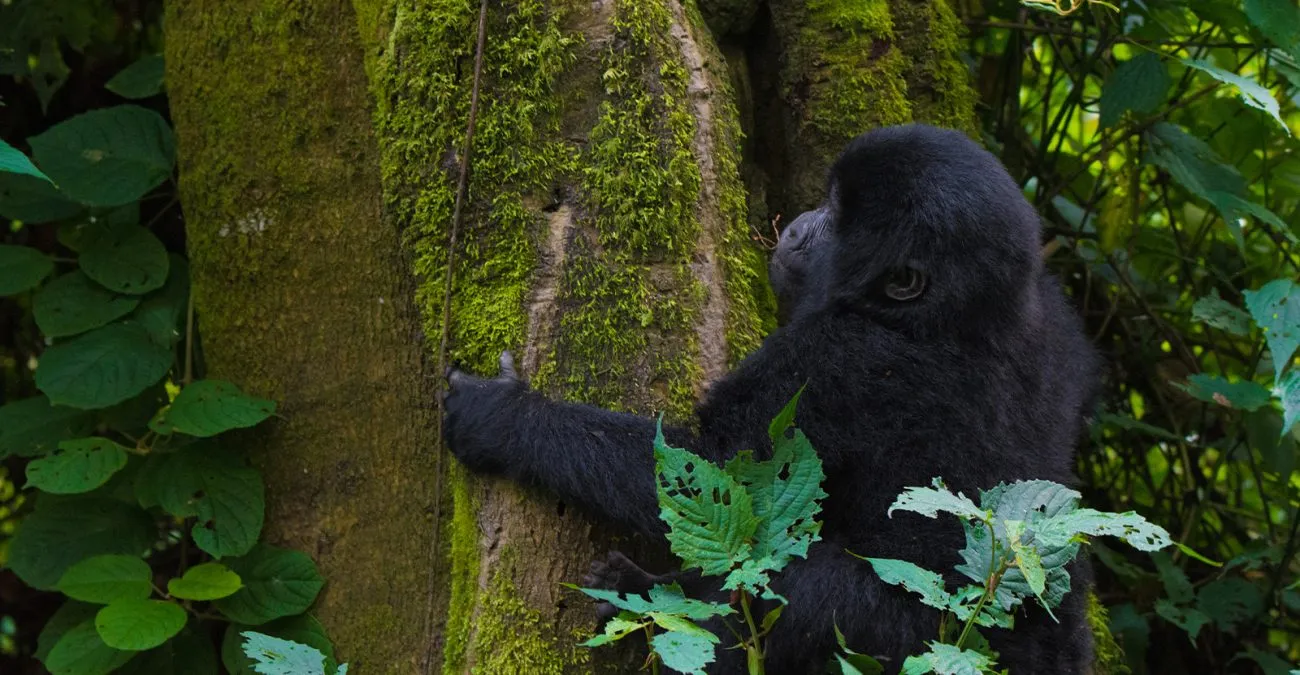
It is not unusual to see young gorillas playing in the branches, mothers gently cradling their infants, or a dominant silverback maintaining watchful order over the group. Every gesture, sound, and interaction is a glimpse into a complex, deeply social species whose survival depends largely on continued protection and understanding.

Other Things to Do

While gorilla habituation is undoubtedly the highlight of a visit to Bwindi, the region offers a wealth of other experiences. Cultural encounters with the Batwa pygmies, the indigenous forest people, reveal a rich history of survival in these dense jungles. Guided village walks allow travelers to witness traditional farming methods, craft-making, and music performances.

Nature lovers can explore Bwindi’s network of forest trails, where birdwatching is a delight thanks to the park’s incredible avian diversity, including rare species like the African green broadbill. For those with energy to spare, hikes to waterfalls, hilltop viewpoints, and tea plantations add further depth to the journey.

Nearby attractions such as Lake Bunyonyi, famous for its scenic islands and calm waters, provide a serene retreat after the intensity of trekking. Combining gorilla habituation with a wider exploration of southwestern Uganda creates a perfectly balanced adventure, blending wildlife encounters with cultural and natural beauty.

Best Time to Visit

Uganda’s equatorial climate makes gorilla habituation possible year-round, but certain periods are more favorable. The dry seasons, from June to September and December to February, are generally considered the best times to visit, as trails are less slippery and trekking conditions are easier. The wet seasons (March to May and October to November) bring heavier rainfall, making the forest muddier, but they also offer lush scenery, fewer tourists, and a more intimate atmosphere in the park.

Since habituation permits are limited and in high demand, securing them well in advance is crucial, especially during peak months. The exclusivity of the experience — with only a handful of visitors allowed daily — ensures a level of intimacy that is increasingly rare in wildlife tourism.

A Trek That Transforms

Beyond the thrill of the encounter, gorilla habituation plays a vital role in conservation. By slowly introducing gorillas to human presence, researchers make it possible for these animals to be monitored for health, safety, and population growth. Habituated groups also generate substantial tourism revenue, which supports local communities and funds conservation projects.

This careful balance between tourism and preservation ensures that mountain gorillas remain one of Africa’s great success stories in wildlife protection. Uganda’s model demonstrates how responsible eco-tourism can both protect a species and improve human livelihoods.

Travel with Confidence

Gorilla habituation in Uganda is more than a wildlife activity — it is a journey into the very soul of the African rainforest. It is about patience, respect, and the privilege of sharing space with one of the planet’s most majestic and endangered creatures. The extended hours with the gorillas, the deep learning from expert trackers, and the raw beauty of Bwindi’s forest make it an unforgettable adventure.

For travelers seeking more than a fleeting glimpse — for those who wish to connect, to understand, and to contribute to conservation — gorilla habituation offers an unmatched experience. It is a reminder that the greatest treasures in nature are not just seen, but felt deeply and remembered for a lifetime.

Book your African safari and gorilla habituation experience with WildHorn Africa, where expert planning, ethical travel, and unforgettable adventures come together to create the trip of a lifetime.

Together We Build your dream holiday
Customize your experience
Customize

Bwindi gorilla trekking

Hidden within the misty embrace of southwestern Uganda lies Bwindi Impenetrable National Park, a mystical realm where

Mgahinga gorilla trekking

Mgahinga Gorilla National Park. Though modest in size compared to its renowned neighbor, Bwindi, this park is a crown jewel of conservation

Grandeur

Experience the grandeur of Africa with WildHorn Africa, where every safari is designed to showcase the continent’s breathtaking landscapes and majestic wildlife.

24/7 support

Enjoy peace of mind with 24/7 support from WildHorn Africa, ensuring expert assistance before, during, and after your safari adventure.

Safety

Your safety is our top priority at WildHorn Africa, with expertly guided safaris and trusted partners ensuring a secure and worry-free adventure.

Price-quality ratio

WildHorn Africa offers exceptional price-quality ratio, delivering top-tier safari experiences at competitive rates without compromising on comfort.

Safari Lodges and Camps in Murchison Falls National Park

Safari Lodges and Camps in Murchison Falls National Park

By Travel guides, Uganda travel guides

Safari Lodges and Camps in Murchison Falls National Park

Safari lodges and camps in Murchison Falls National Park are known for offering a diverse range of experiences tailored to various types of holidays. Adventure holidays and wildlife holidays are especially popular due to the park’s abundant animal populations and dramatic landscapes. Birding holidays are also frequently pursued here, as the park supports over 450 species of birds, making it a prime destination for birdwatchers. Many visitors include Murchison Falls on their bucket list holidays, drawn by the promise of witnessing the powerful cascade of the Nile and encountering rare wildlife in an unspoiled environment.

Accommodations within the park cater to different preferences and group sizes, ensuring that family holidays, group holidays, and honeymoon holidays are all comfortably supported. Luxury holidays and private holidays are facilitated by exclusive lodges and private villas & accommodations, which provide privacy and high-end amenities. Off the beaten holidays and solo holidays are equally accommodated, with camps and lodges offering tranquil settings away from the crowds. Additionally, cultural holidays can be enriched through community visits arranged by many safari operators, adding depth to the overall experience.

Various specialized holidays are also promoted within the park’s lodges and camps. Photography holidays are encouraged by the stunning scenery and abundant wildlife, while primate holidays attract visitors eager to track chimpanzees and other primates in nearby forests. Climbing & hiking holidays are possible in designated areas, offering active travelers a chance to explore the terrain on foot. Though the wildebeest migration holidays are more famously associated with other regions, Murchison Falls occasionally experiences its own wildlife movements, enhancing the dynamic safari experience for all types of visitors.

luxury

Safari Lodges and Camps in Murchison Falls National Park

mid-range

Safari Lodges and Camps in Murchison Falls National Park

budget

Safari Lodges and Camps in Murchison Falls National Park

Grandeur

Experience the grandeur of Africa with WildHorn Africa, where every safari is designed to showcase the continent’s breathtaking landscapes and majestic wildlife.

24/7 support

Enjoy peace of mind with 24/7 support from WildHorn Africa, ensuring expert assistance before, during, and after your safari adventure.

Safety

Your safety is our top priority at WildHorn Africa, with expertly guided safaris and trusted partners ensuring a secure and worry-free adventure.

Price-quality ratio

WildHorn Africa offers exceptional price-quality ratio, delivering top-tier safari experiences at competitive rates without compromising on comfort.

Muteesa II Stadium Wankulukuku

Muteesa II Stadium Wankulukuku

By Uganda places to visit, Where to go

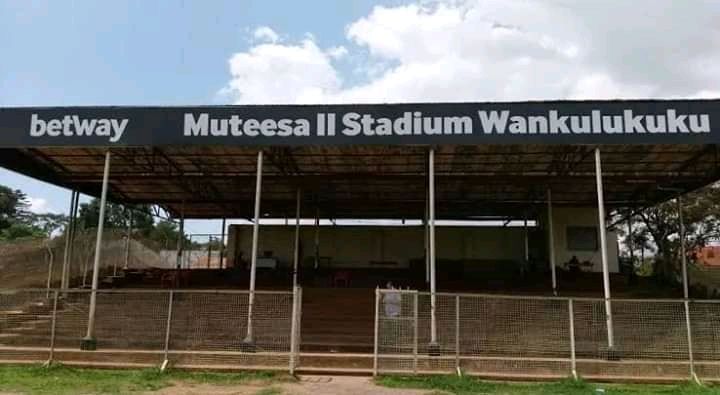
Muteesa II Stadium Wankulukuku: The Pulse of Buganda’s Football Heartbeat

In the vibrant theater of Ugandan sports, culture, and tradition, Muteesa II Stadium Wankulukuku stands as a monument of historical reverence and athletic passion. Reverberating with the chants of loyal football fans, steeped in the legacy of Buganda’s monarchy, and intimately connected to the evolution of Uganda’s sports culture, this stadium is more than a mere venue—it is a sanctuary where the identity of a people is expressed in vibrant, communal harmony.

Named in honor of Sir Edward Muteesa II, the 35th Kabaka of Buganda and the first President of Uganda, the stadium reflects not only the region’s royal lineage but also the unbreakable bond between sport, sovereignty, and national pride. Within its walls, generations have gathered to witness not just games, but moments that have shaped Uganda’s contemporary identity.

Location: Rooted in the Cultural Soil of Kampala’s Suburbs

Muteesa II Stadium is located in Wankulukuku, a densely populated suburb in Rubaga Division, on the western outskirts of Kampala, Uganda’s capital. Nestled within a tapestry of residential homes, bustling markets, and grassroots football academies, the stadium is a central fixture in a community that breathes sport and tradition in equal measure.

Its location is symbolic, for Rubaga Division is also home to some of Uganda’s most important cultural and religious sites, including Rubaga Cathedral and Kabaka’s Lake. This proximity to Buganda’s heritage further enriches the stadium’s significance as a hub not only of sports but of identity and communal belonging. In the shadow of regal hills and royal memories, Wankulukuku offers an authentic connection to Uganda’s past and present.

How to Get There: Traversing the Path to a Legendary Arena

Reaching Muteesa II Stadium is relatively straightforward for both locals and international visitors. The journey typically begins from Kampala City Centre, located approximately 8 kilometers away. Several routes lead to Wankulukuku, but the most common is via Nakawuka Road or Kabusu Road, both of which connect to Wankulukuku Road, guiding travelers directly to the stadium gates.

Public transport options are widely available, especially commuter taxis (matatus) operating from New Taxi Park or Kisenyi Bus Terminal, which travel toward the Rubaga-Mutundwe area. Motorbike taxis (boda-bodas) provide a quicker, more direct route, particularly during peak hours when traffic congestion becomes a factor.

For those arriving from Entebbe International Airport, the drive to the stadium spans roughly an hour, depending on traffic conditions. The route offers a glimpse of Kampala’s urban rhythm, from high-rise business centers to the vibrant neighborhoods that cradle the capital city.

Attractions: A Stadium Steeped in Royalty and Roars

What distinguishes Muteesa II Stadium is not merely its concrete seating or grass-covered pitch—it is the rich tapestry of Buganda heritage and Uganda’s football history that animates every match, chant, and celebration that takes place within its boundaries. The stadium was inaugurated in the early 1990s and has since served as a sacred home ground for Express FC, one of Uganda’s oldest and most decorated football clubs.

Express FC, affectionately known as the “Red Eagles,” draws thousands of fans every season, many of whom share generational ties with the club. The stadium has therefore become a spiritual home for supporters whose allegiance to their team is akin to a sacred duty. The atmosphere during match days is one of euphoric energy, rich in songs, drums, vuvuzelas, and the unmistakable scent of fried street food that drifts through the stands.

The naming of the stadium after Sir Edward Muteesa II adds another layer of reverence. As a Kabaka and former President, Muteesa II represents a bridge between monarchical traditions and modern statehood. His legacy continues to inspire both political thought and cultural pride, making the stadium not only a sports ground but also a cultural shrine.

Beyond football, the stadium has also hosted political rallies, religious gatherings, youth festivals, and charity tournaments, reinforcing its role as a versatile arena for community development and national dialogue.

Things to Do: Immersive Engagement with Local Life

A visit to Muteesa II Stadium offers more than the thrill of football—it provides a profound encounter with Uganda’s grassroots culture. On match days, the environment becomes a lively carnival. Vendors line the streets selling roasted maize, grilled meats, cold drinks, and club merchandise. Traditional drummers, dancers, and enthusiastic fans contribute to an atmosphere that is festive, raw, and intensely real.

Attending a live game immerses visitors in the unfiltered passion of Ugandan football. The rhythmic chants of the fans, the vibrant club colors, and the palpable tension on the field create an emotional crescendo unmatched by more commercial stadium experiences. It is here that sport returns to its elemental form—a communal expression of joy, struggle, hope, and identity.

During non-match days, visitors often find the surrounding area bustling with training sessions, community sports initiatives, and informal matches by youth teams. Observing or participating in these activities allows travelers to witness how football in Uganda is not just entertainment—it is a way of life.

For the culturally curious, Wankulukuku’s proximity to traditional landmarks in Rubaga presents an opportunity to deepen one’s understanding of Buganda’s royal institutions. A day spent exploring Rubaga Cathedral, Kabaka’s Palace, and Muteesa II Stadium provides a holistic narrative of faith, royalty, and resilience.

Best Time to Visit: Timing the Roar of the Red Eagles

The optimal time to visit Muteesa II Stadium aligns with Uganda’s football season, which typically runs from September to May. These months see frequent league matches, local derbies, and regional tournaments, ensuring that the stadium pulses with activity. The Express FC vs SC Villa derby, in particular, is among the most anticipated fixtures and draws massive crowds with electric energy.

For the most comfortable visit, the dry seasons—spanning December to February and June to August—offer ideal weather conditions. These months provide clear skies, easier transportation, and greater visibility for those seeking to explore the stadium grounds and neighboring attractions.

Visitors aiming to experience cultural events or religious gatherings held within the stadium should consult local schedules, as these vary throughout the year but often align with public holidays and community celebrations.

A Living Legacy of Sport and Sovereignty

Muteesa II Stadium is more than a venue; it is an emblem of Buganda’s pride and Uganda’s sporting soul. It is a place where the voices of the people converge, not only to celebrate goals scored but to affirm shared values of community, heritage, and unity. Its walls, though made of brick and steel, resonate with stories of passion, loyalty, and leadership.

In an age of hyper-commercialized sports, Wankulukuku remains authentic and human, reminding every visitor that the true spirit of sport lies not in luxury boxes or digital screens, but in the collective heartbeat of the fans and the community that surrounds it.

Explore Uganda with WildHorn Africa

To experience places like Muteesa II Stadium—where history, culture, and raw passion collide—travel must be guided by more than maps. It requires the insight of those who understand the rhythm of Uganda’s soul.

That is why WildHorn Africa is the ideal companion for your African journey. From cultural heritage tours in Kampala to wild safaris across the savannah, WildHorn Africa crafts bespoke travel experiences that capture the continent’s depth and diversity.

Book your Africa tours and safaris through WildHorn Africa, and let the power, pride, and people of Uganda welcome you into stories that will stay with you for a lifetime. Whether you’re standing at the edge of a football pitch or gazing across the Nile, your adventure begins here—with purpose, with wonder, and with WildHorn.

Namboole stadium

Namboole stadium

By Uganda places to visit, Where to go

Namboole Stadium: Uganda’s Colossal Arena of National Pride and Sporting History

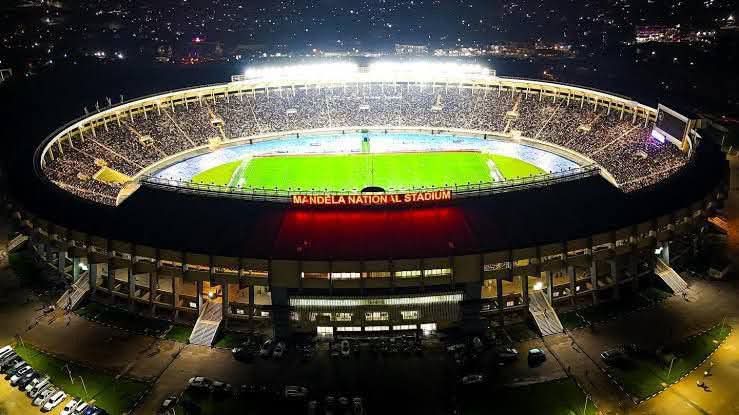
In the very heart of Uganda’s sporting and cultural tapestry stands a structure so vast, so symbolic, and so alive with the pulse of the nation that it commands attention even from afar. Namboole Stadium, officially known as Mandela National Stadium, is not merely a sports ground—it is a living monument of national resilience, athletic achievement, political symbolism, and public unity. It echoes with the roars of victories, the solemnity of remembrance, and the vibrant rhythms of Ugandan celebrations.

Constructed as a beacon of modern infrastructure and a tribute to African greatness, Namboole has stood for decades as a multifaceted space that serves far beyond its core purpose. It is a venue where football legends are born, where political leaders have addressed the masses, and where citizens from all walks of life gather in a shared sense of national identity. Its presence marks not only Uganda’s commitment to sports and entertainment but also its connection to Pan-African values, embodied by its dedication to the late Nelson Mandela, one of Africa’s greatest icons.

Location: Kampala’s Eastern Gateway to National Grandeur

Namboole Stadium is situated in Bweyogerere, a prominent suburb in the eastern part of Kampala, along the Kampala–Jinja Highway. It occupies a strategic location within Wakiso District, acting as both a landmark and a connector between Uganda’s capital and the country’s eastern corridor.

The stadium sits atop elevated ground, allowing its towering structure to dominate the surrounding skyline. This elevated position enhances its visibility and symbolic stature, making it a constant presence for locals and travelers moving in and out of the capital city.

Its proximity to key urban zones like Nakawa, Kyambogo, and Mukono makes it not just a sports venue but a critical part of Kampala’s broader cultural and commercial network. From here, one can feel the transition between the dynamic cityscape and the expanding outer districts—a reminder of Uganda’s evolving infrastructure and national aspirations.

How to Get There: Accessing the Stadium of Legends

Reaching Namboole Stadium is an experience that feels both ceremonial and accessible. The main access route is via the Kampala–Jinja Highway, which connects central Kampala to the eastern regions of Uganda. From the City Centre, a drive of approximately 12 to 15 kilometers leads directly to the stadium gates.

Private vehicles, taxis, and boda-bodas (motorcycle taxis) frequently ply this route. Public transportation is also readily available, with commuter vans (matatus) heading towards Bweyogerere making regular stops near the stadium. During major events, traffic control is typically provided by local police to streamline the flow and ensure safe access for thousands of attendees.

For international visitors, Entebbe International Airport serves as the main port of arrival. From the airport, a scenic drive through Kampala’s core leads to the stadium within about an hour, depending on traffic conditions.

Attractions: A Stage for National and Continental Moments

What makes Namboole Stadium an unmatched attraction is not merely its capacity, but the legacy it carries. Completed in 1997 through funding from the Chinese government, it was envisioned as a gift to Uganda, marking a new chapter in the country’s post-independence growth. Named in honor of Nelson Mandela, it remains one of the largest stadiums in East Africa, with a seating capacity exceeding 45,000.

The stadium’s architectural design reflects both function and symbolism. Its circular form fosters unity, while its open roof allows the sky to bear witness to every goal, every concert, and every rally held within. The vast pitch has hosted numerous Africa Cup of Nations qualifiers, World Cup matches, and local league finals, serving as the main home ground for the Uganda Cranes, the national football team.

Beyond sports, the stadium has also been a platform for massive concerts, religious crusades, military parades, and state events. It has witnessed performances from renowned African artists, visits from heads of state, and spiritual gatherings that draw tens of thousands.

Its grounds also house training facilities, a gymnasium, hospitality services, and ample space for exhibitions and festivals. As such, Namboole is not just a single-purpose arena but a multipurpose complex, capable of transforming to meet the demands of various social, cultural, and political functions.

Things to Do: Immersing in the Pulse of National Culture

Visitors to Namboole Stadium are offered a variety of experiences that delve deeper than the mere spectacle of sport. Guided tours of the stadium are often available, allowing guests to explore the inner workings of Uganda’s most prestigious sports complex. Walking through the player tunnels, standing on the edge of the pitch, or sitting in the VIP stands provides an intimate encounter with the energy that surges through this arena during match day.

During sports seasons, attending a live football match becomes an unforgettable experience. The crowd, united by drums, chants, vuvuzelas, and flag-waving, creates a sensory symphony that no stadium in the region can quite replicate. The pride of watching the Uganda Cranes in action, especially during a decisive qualifier, ignites a feeling of unity and shared ambition that transcends tribal, political, or generational divides.

In quieter times, the surrounding grounds are used for jogging, cycling, and community fitness programs. Locals often gather here in the mornings and evenings, turning the stadium’s periphery into a health and wellness hub. A visit during these times offers a more relaxed perspective on the space—one of community engagement and peaceful leisure.

Furthermore, vendors around the stadium provide opportunities to taste Ugandan street food, purchase souvenirs, or engage in spontaneous conversations with passionate sports fans, adding layers of social interaction and cultural insight to the visit.

Best Time to Visit: Aligning with Sporting and Cultural Seasons

Namboole Stadium is a dynamic venue that can be visited throughout the year, though the experience varies significantly depending on the timing. The dry seasons, from December to February and June to August, are most favorable for visiting, particularly for those attending outdoor events or seeking guided tours.

Football seasons, including CAF qualifiers and domestic league finals, typically take place during these months, filling the stadium with unmatched excitement. Planning a visit around a scheduled match or concert ensures that the full spectrum of Namboole’s energy can be witnessed.

Religious and cultural gatherings also tend to be organized during the dry season to avoid disruptions due to rain. During these events, the stadium transforms into a spiritual and musical epicenter, offering a completely different but equally compelling experience.

Visitors interested in fitness activities or casual exploration may prefer the early morning or late afternoon hours when the sun is less intense and the atmosphere is calm.

A Symbol Beyond Steel and Concrete

Namboole Stadium is more than just a structure of seats and turf. It is a monument of identity, a space where Ugandans rally around shared causes, be it sports, culture, faith, or national development. Its dedication to Nelson Mandela is a deliberate statement—a recognition of Africa’s interconnected struggles and triumphs, and a reminder that greatness is not only measured by goals scored but by values upheld.

In a rapidly transforming Kampala, where buildings rise and fall with economic tides, Namboole remains constant—a beacon of pride and unity, drawing people together in moments of passion, reflection, and celebration.

Discover Uganda with WildHorn Africa

To fully appreciate the essence of places like Namboole Stadium—and the vibrant mosaic that is Uganda—one must embark on a journey guided by expertise, cultural sensitivity, and a spirit of discovery. That’s where WildHorn Africa excels.

Whether it’s stadium tours, cultural landmarks, wildlife safaris, or off-the-beaten-path adventures, WildHorn Africa curates experiences that are deeply rooted in the stories, people, and places that define the continent. With a commitment to authenticity and personalized service, your tour becomes not just a trip—but a transformation.

Book your Africa tours and safaris through WildHorn Africa, and let your footsteps follow the heartbeat of Uganda. From roaring stadiums to whispering savannas, your African adventure awaits—with meaning, memory, and magnificence.


kabakas lake kabakas lake

kabaka’s lake

By Uganda places to visit, Where to go

Kabaka’s Lake: Africa’s Largest Man-Made Cultural Lake and the Legacy of a Visionary King. kabakas lake

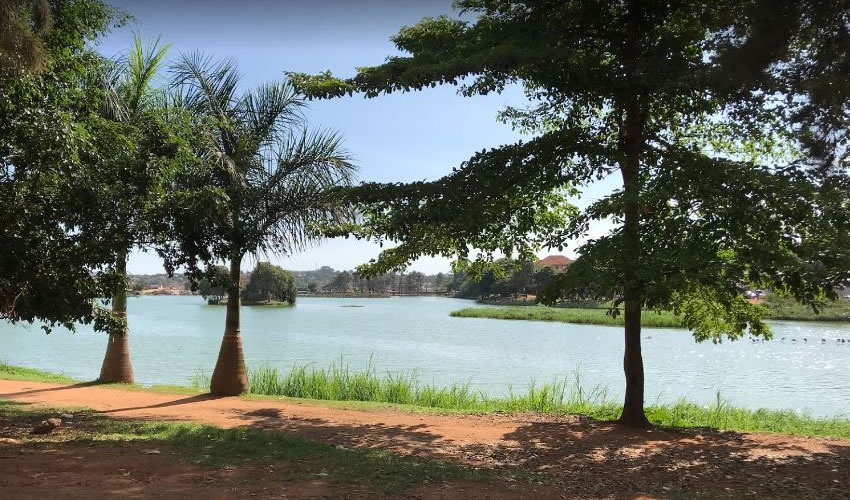
Tucked quietly within the heart of Uganda’s capital, Kampala, lies a shimmering body of water that is far more than a scenic retreat. The Kabaka’s Lake, as it is widely known, is a mirror to the soul of the Buganda Kingdom—a historical, cultural, and spiritual marvel conceived by royalty and crafted by communal devotion. Though it may appear as a peaceful basin surrounded by reeds and trees, this lake tells a story of royal ambition, colonial defiance, spiritual symbolism, and communal identity that continues to ripple across generations.

This is not just a lake; it is a monument to indigenous ingenuity and the powerful symbolism of water in African royal tradition. Constructed under the directive of Kabaka Mwanga II in the late 19th century, the lake remains one of Uganda’s most historically significant landmarks. For travelers seeking an authentic connection with the country’s cultural heart, the Kabaka’s Lake offers a journey through time, politics, ecology, and royal heritage, all wrapped in serene natural beauty.

Location: Royal Waters in the Heart of Kampala. kabakas lake

The Kabaka’s Lake is located in Ndeeba, a suburb of Kampala, just a short distance from the royal seat at Lubiri (Mengo Palace). It lies southwest of the central business district, easily accessible from most parts of the city. Surrounded by urban development, the lake remains a tranquil enclave in the bustle of modern Kampala, offering a breath of quietude and reflection.

What makes this location particularly significant is its proximity to the political and spiritual center of Buganda. The lake was intentionally positioned near the Kabaka’s palace and adjacent to key ceremonial sites, reinforcing its connection to kingship and statecraft. In this location, the lake served as a private royal retreat, a spiritual reservoir, and a defiant gesture in a time of mounting colonial pressure.

How to Get There: A Short Ride to History

Reaching Kabaka’s Lake is simple and convenient. From Kampala’s city center, a 10 to 15-minute drive via Rubaga Road or Kabaka Anjagala Road leads directly to Ndeeba, where the lake quietly rests. The roads are well-paved and signposted, though local guidance or navigation apps can assist in pinpointing the entrance.

Visitors may choose to arrive by private vehicle, boda-boda (motorcycle taxi), or local matatu taxis that serve the Ndeeba route. Once on site, parking is available in nearby lots or designated areas.

The area surrounding the lake is increasingly urban, but once visitors arrive at the shoreline, they are transported into a realm where time slows and tradition whispers through the reeds.

Attractions: Layers of Legacy Beneath the Surface

While many lakes across Africa boast ecological or geological significance, Kabaka’s Lake is unmatched in its cultural and historical richness. It was carved—by hand—under the supervision of Kabaka Mwanga II around 1885, during a period of heightened tension between the Buganda Kingdom and encroaching British colonial forces.

Initially, the Kabaka envisioned the lake as part of a grand canal project that would connect it to Lake Victoria, allowing for both leisure boating and royal escape in the event of political threats. Though the canal was never completed, the lake itself became a powerful symbol of self-sufficiency, resistance, and the unity of the Buganda people.

The lake is entirely man-made, dug by subjects of the Kabaka using rudimentary tools. The effort demonstrated not only loyalty to the king but the collective strength of a kingdom determined to preserve its sovereignty.

Its waters are now flanked by green banks, cultural shrines, and pathways ideal for scenic walking. Several species of birds and aquatic life make the lake their home, adding ecological interest to its historical significance.

Also notable is the Kabaka’s Island, a small patch of land within the lake believed to have been used by the king for meditation, ceremonies, and private counsel. Its presence adds mystique and symbolism to the lake’s calm surface.

In addition, several markers and monuments around the lake offer insights into Buganda’s royal lineage, showcasing portraits, plaques, and local artwork that celebrate the legacy of Kabaka Mwanga II and his successors.

Things to Do: Immersive Encounters with Royal Heritage

Visitors to Kabaka’s Lake are not simply observers; they become participants in an unfolding narrative of cultural endurance and spiritual reflection. The lake offers guided cultural walks led by knowledgeable historians and local custodians who delve into the origins of the lake, the leadership of Kabaka Mwanga, and the lake’s evolution through pre-colonial, colonial, and post-independence eras.

Photography is encouraged, particularly during early morning or late afternoon, when the lake’s mirror-like surface captures the changing skies in breathtaking reflections. Artists often frequent the lake for inspiration, and its surroundings offer ample opportunity for sketching, journaling, or simply quiet contemplation.

Locals can often be seen engaging in light recreational activities such as fishing, canoeing, or bird watching. Visitors are welcome to join, under supervision, to experience the peaceful rhythm of life around the lake.

Traditional ceremonies are occasionally held at or near the lake, especially during cultural festivals like Buganda’s “Kabaka’s Birthday Run” or other national heritage events. During such times, the lake becomes a vibrant hub of music, dance, and cultural storytelling—offering travelers a chance to witness authentic Buganda culture in motion.

The nearby Lubiri Palace and Bulange (Buganda Parliament) can also be explored in conjunction with the lake, creating a seamless cultural itinerary rooted in royalty and governance.

Best Time to Visit: Catching the Calm and the Cultural Rhythm

While the lake is open to visitors year-round, the dry seasons of December to February and June to August are ideal for exploration. During these months, the weather is stable, the lake’s pathways remain accessible, and the scenery is at its most photogenic.

The early mornings offer the quietest and most serene atmosphere, ideal for peaceful walks or guided cultural talks. The evening golden hours are perfect for photography, as the lake reflects the sinking sun in rich, golden hues.

For those wishing to combine cultural observation with community interaction, planning a visit during Buganda’s cultural week or national holidays offers a vibrant, festive atmosphere with traditional dance performances, speeches from cultural leaders, and historical exhibitions.

Kabaka’s Lake: A Testament to Cultural Sovereignty

Kabaka’s Lake stands today not just as a water body, but as a living archive of indigenous resilience and royal vision. It is a site where engineering meets spirit, where natural beauty intertwines with the political history of Uganda’s most prominent kingdom.

The lake’s still waters may seem unassuming, but beneath their surface lie centuries of struggle, symbolism, and strength. They reflect a time when a king dared to resist colonialism with creativity, and when a people rose together to dig—not just a lake—but a legacy.

As Kampala’s skyline expands and modernity rushes in, Kabaka’s Lake remains an anchor to identity, a gentle yet powerful reminder that royalty, culture, and community are not relics—but roots.

Explore the Kingdom with WildHorn Africa

To truly grasp the meaning and magic of Kabaka’s Lake—and Uganda’s cultural landscape as a whole—one must travel with those who understand the depths of tradition, the nuance of heritage, and the rhythm of Africa.

That is why it is highly recommended to book your Africa tours and safaris with WildHorn Africa. With a deep respect for cultural authenticity and a passion for immersive storytelling, WildHorn Africa curates journeys that go beyond the ordinary, guiding travelers through the living heart of Uganda.

Whether it’s royal lakes, ancient tombs, sacred forests, or thrilling wildlife encounters, WildHorn Africa ensures that every expedition is thoughtfully crafted and meaningfully delivered.

Naggalabi coronation site

Naggalabi coronation site

By Uganda places to visit, Where to go

Naggalabi Coronation Site: The Sacred Cradle of Buganda Royalty and Tradition

Amid the lush green hills just outside of Kampala lies a historic site steeped in royal grandeur, cultural symbolism, and ancestral reverence. The Naggalabi Coronation Site—a sacred ground where the Kings of Buganda have been crowned for centuries—stands as one of Uganda’s most profound cultural landmarks. This is not merely a geographical location, but a spiritual and political heartland of the Buganda Kingdom, the largest and most influential traditional monarchy in Uganda.
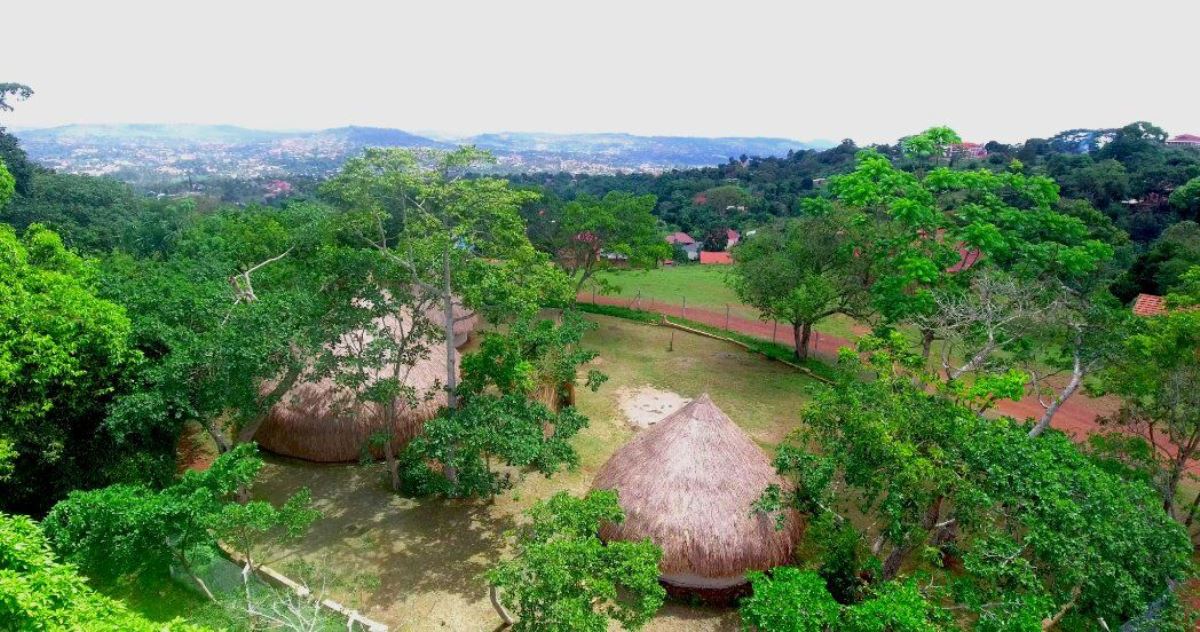
Unlike monuments built of stone and steel, Naggalabi breathes with oral history, ancestral memory, and ceremonial ritual. It is here that every Kabaka (King) of Buganda is enthroned following elaborate traditional ceremonies that date back over 700 years. While Uganda’s modern identity continues to evolve, this hilltop sanctuary remains a firm anchor in the country’s cultural fabric, offering a window into one of Africa’s most enduring royal institutions.

For anyone seeking to understand Uganda beyond the surface, a journey to the Naggalabi Coronation Site is not just recommended—it is essential.

Location: The Hill Where Kingdoms Are Born

The Naggalabi Coronation Site is located on Buddo Hill, about 16 kilometers southwest of Kampala in Wakiso District. The hill itself rises modestly above the surrounding landscape, yet it holds monumental significance in the Buganda Kingdom. Set amidst a countryside of rolling green and dotted homesteads, Buddo Hill exudes a sense of timeless dignity.

This location is not accidental. It was chosen centuries ago by Buganda’s forefathers, believed to be a spiritually charged site—where royal legitimacy meets ancestral blessing. Its quiet seclusion lends itself perfectly to sacred rituals, secretive deliberations, and regal ceremony. Although rural in character, Buddo Hill is conveniently close to urban life, making it both accessible and immersive for cultural visitors.

How to Get There: A Scenic Drive into the Past

Reaching the Naggalabi Coronation Site is both easy and rewarding. From Kampala city center, travelers can access Buddo Hill via Masaka Road, turning off at the Nsangi junction and following the signs that lead toward Buddo. The entire journey by car typically takes about 40 to 50 minutes, depending on traffic conditions.

The road winds through semi-urban centers, leafy neighborhoods, and finally into the quieter, greener regions of Wakiso District. The last stretch features village scenery—banana plantations, terraced gardens, and thatched houses—that quietly transition the visitor from modernity into the realm of tradition.

Public transport is also available in the form of matatus (minibuses) that head toward Nsangi or Buddo, from where a short motorcycle ride can complete the journey to the coronation site.

While the route is unassuming, it is layered with historical resonance, for it is along this path that the Kabaka himself travels on the day of his enthronement, flanked by royal guards, traditional dancers, and loyal subjects.

Attractions: A Royal Narrative Carved into Landscape

What makes the Naggalabi Coronation Site truly unique is that it is not defined by towering monuments or glittering palaces, but by sacred landmarks, shrines, and groves that are interwoven with centuries of ritual. Every corner of this hilltop estate tells a story.

The most revered section is the actual coronation ground, a sacred spot where the Kabaka kneels before the royal elders, receives blessings from the ancestral spirits, and is handed the symbols of authority—most notably, the royal drum and spear. These items are not mere props; they represent the spiritual and temporal power that the Kabaka inherits during the rite.

Nearby is the Nakibinge’s Tree, named after Kabaka Nakibinge, a pivotal 16th-century ruler who fought to expand and consolidate Buganda’s influence. This ancient tree is believed to hold the spirits of past kings and is often honored with offerings and whispered prayers.
The site also includes ceremonial huts, each with its own purpose in the coronation process. One hut houses the royal regalia, while another is designated for the Katikkiro (Prime Minister) who plays a central role in preparing the king for his enthronement.

The simplicity of these structures belies their power. They are built using traditional materials—grass thatch, timber, and mud—to reflect the authenticity of Buganda heritage and to honor the kingdom’s ancestral way of life. There is no extravagance here, only sacred symbolism.

Surrounding the site are trails shaded by indigenous trees, where historical events were once whispered into the ears of successors, alliances were forged, and judgment was pronounced. These spaces serve both a ceremonial and meditative function, connecting past and present.

Things to Do: Engage, Learn, and Reflect

Visitors to the Naggalabi Coronation Site are welcomed not only with visual beauty but with deep cultural education and personal introspection. Guided tours are typically led by royal custodians or cultural historians, whose oral narration brings the site to life with passion and precision. They explain how each ritual unfolds during a coronation, how the Kabaka is prepared spiritually and physically, and how each step is anchored in centuries of sacred tradition.

Photography is permitted in designated areas, and visitors are encouraged to walk through the grounds quietly, engaging with the environment in a reflective manner. Some choose to leave symbolic offerings or write in the guestbook, paying their respects to the kings who were crowned here and to the continuity of the kingdom itself.

Students, researchers, and cultural scholars can request deeper access to the archives and oral accounts preserved by Buganda’s royal custodians. These narratives delve into pre-colonial leadership systems, traditional conflict resolution, succession struggles, and Buganda’s unique integration of political governance and spiritual authority.

During special occasions—such as royal anniversaries or national heritage festivals—the coronation site becomes alive with traditional dances, drumming, storytelling, and ceremonial reenactments, offering an unforgettable immersion into the living culture of Buganda.

Best Time to Visit: Seasons of Ceremony and Serenity

The Naggalabi Coronation Site can be visited at any time of the year, though the dry months of December to February and June to August are ideal. During these periods, the trails remain dry, and the open-air nature of the site is best enjoyed under clear skies.

Morning visits offer the most serene experience. The hill is typically cloaked in a soft mist, the sunlight filters through ancient trees, and the air is filled with the quiet reverence that only sacred places can possess. This is when the site feels most alive in its silence.
Visitors hoping to witness or participate in public cultural events should plan their trip around Buganda’s official calendar, especially in years when a new Kabaka is enthroned or when the kingdom celebrates historic milestones. These rare moments transform the site into a stage for regal spectacle, spiritual unity, and pan-Ugandan celebration.

Naggalabi’s Enduring Relevance in Uganda’s Identity

To walk the grounds of the Naggalabi Coronation Site is to walk through the spiritual and political soul of Buganda. It is a space where history is not read in books but felt underfoot. In a nation as diverse and modern as Uganda, the endurance of such a sacred space is remarkable—a powerful reminder that culture, when rooted deeply, cannot be eroded by time.

Here, amidst the wind-stirred trees and earth-colored shrines, the essence of African monarchy and indigenous governance is preserved and honored. The coronation site is not simply about past glories. It is a living emblem of sovereignty, legitimacy, and continuity—one that continues to shape identity, community, and memory in Uganda.

For those who wish to understand Uganda not only as a destination of wildlife and scenery but as a land of rich traditions and enduring kingdoms, Naggalabi offers the most profound insight.

Experience Uganda’s Heritage with WildHorn Africa

A journey to the Naggalabi Coronation Site is a profound encounter with Africa’s regal past—but it is only the beginning of what Uganda has to offer. To truly explore the depths of Uganda’s culture, history, and natural wonders, travelers need expert guidance and insightful storytelling.

That is why it is highly recommended to book your African tours and safaris through WildHorn Africa. As specialists in immersive, ethical, and customized travel experiences, WildHorn Africa goes beyond the ordinary, curating journeys that honor tradition, ignite discovery, and celebrate the true spirit of the continent.

Whether you are drawn to royal sites, remote wildlife reserves, or vibrant cultural festivals, WildHorn Africa ensures that every step of your journey is meaningful and unforgettable.

Close Menu