search
8-Day All-Inclusive Uganda Flying Safari

8-Day All-Inclusive Uganda Flying Safari

By Luxury holidays, Uganda trip ideas, Your first safari
From $15,799  per person  (USD)

8-Day All-Inclusive Uganda Flying Safari

8-Day All-Inclusive Uganda Flying Safari

With this wonderful schedule, you may explore Uganda’s main attractions without having to make the lengthy drive. You will fly to Murchison Falls National Park for game drives and boat safaris after your first night in Entebbe. After that, you will take a plane to Queen Elizabeth National Park, where you will engage in safari activities and chimp trekking. Lastly, you will travel to Bwindi National Park, where mountain gorillas can be found.


An 8-Day All-Inclusive Uganda Flying Safari is designed to offer travelers an unmatched blend of luxury, adventure, and convenience while exploring the Pearl of Africa.

Instead of spending long hours on bumpy roads, breathtaking aerial views are enjoyed as light aircraft flights connect the country’s most iconic national parks. From the shimmering waters of the Nile to the misty highlands of Bwindi Impenetrable Forest, each destination is reached swiftly and comfortably, allowing more time to immerse in the wilderness rather than the journey. With carefully chosen lodges and seamless logistics, the safari is tailored for those who seek both exclusivity and depth in their travel experience.

Over the course of eight days, a curated itinerary is followed that showcases Uganda’s most celebrated treasures. Wildlife encounters are made on the savannah plains of Queen Elizabeth National Park, chimpanzees are tracked in lush rainforests, and mountain gorillas are observed in their natural habitat, offering memories that remain unforgettable. Every detail—from guided game drives and boat safaris to fine dining and luxury accommodation—is included, ensuring a stress-free and deeply rewarding journey. By the time the adventure concludes, the essence of Uganda’s diverse landscapes, cultures, and wildlife will have been profoundly experienced in a way only a flying safari can provide.

8-Day All-Inclusive Uganda Flying Safari

itinerary

Arrival in Entebbe

Upon landing at Entebbe, you will be warmly received by a guide from WildHorn Africa and taken to your hotel. Depending on the time of arrival, an opportunity may be available to explore Entebbe and some of the surrounding areas of Kampala later in the day. Dinner can be enjoyed at the hotel, or excellent recommendations for dining and drinks around town can be provided.

Fly to Murchison Falls National Park

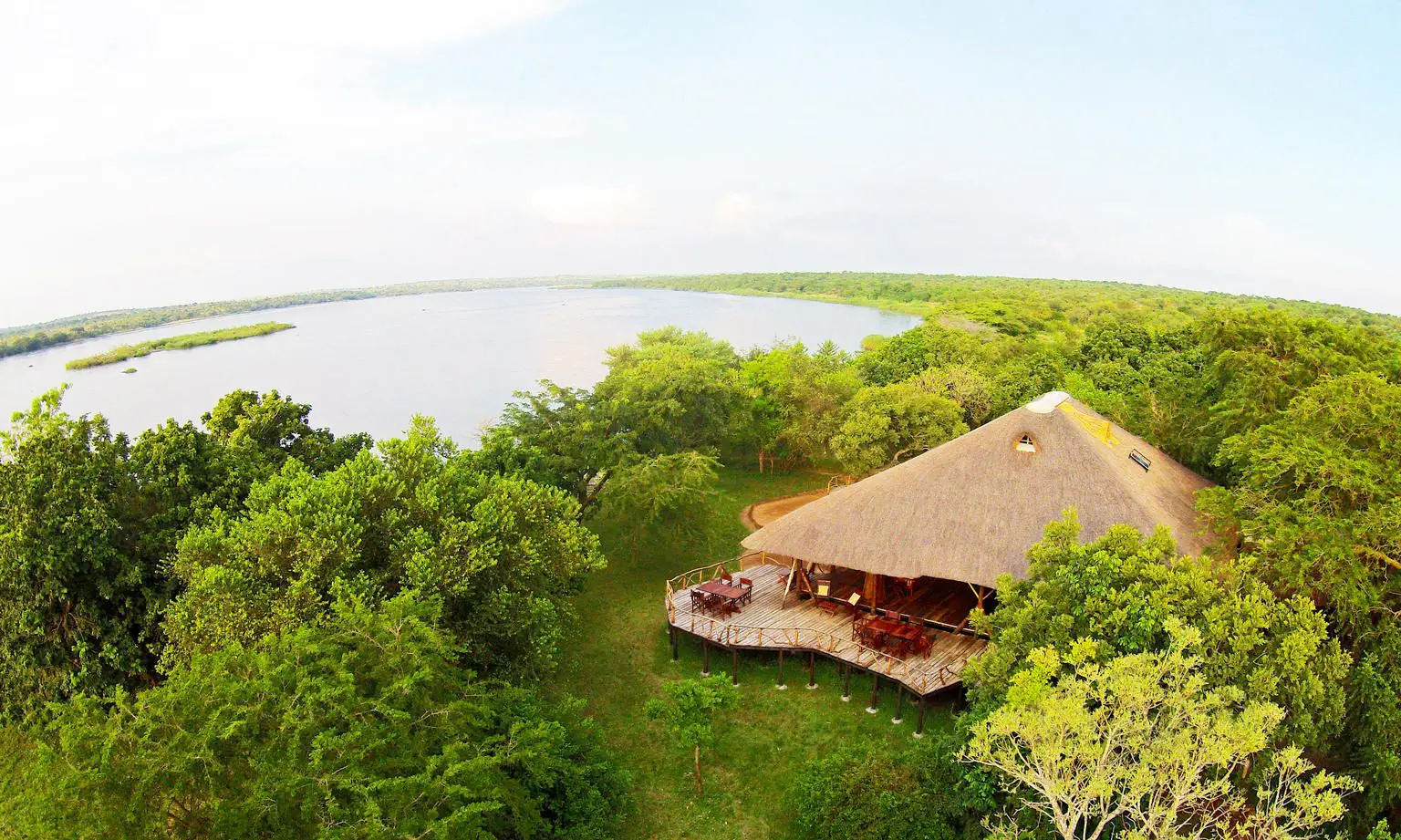
Today, you will be escorted to Entebbe Airport for your scheduled flight to the renowned Murchison Falls National Park, landing at Pakuba Airstrip. As Uganda’s largest national park, Murchison Falls presents an abundance of wildlife alongside the dramatic spectacle of the River Nile surging through its powerful waterfalls.

Murchison Falls National Park

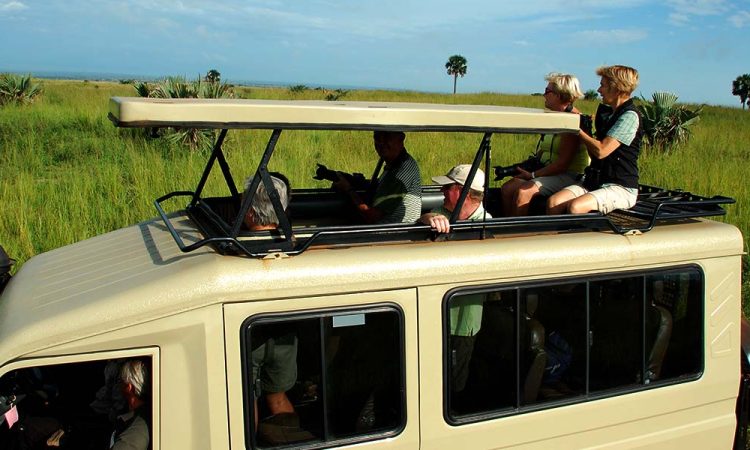
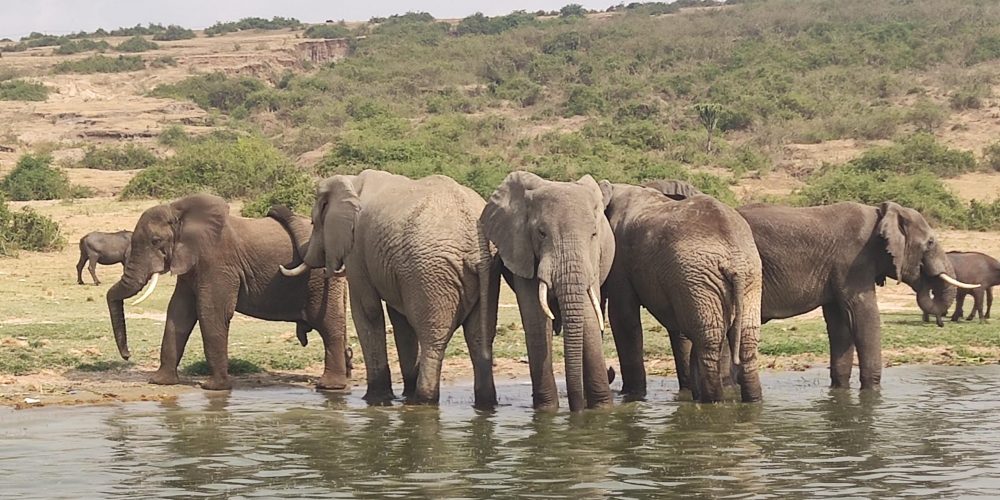
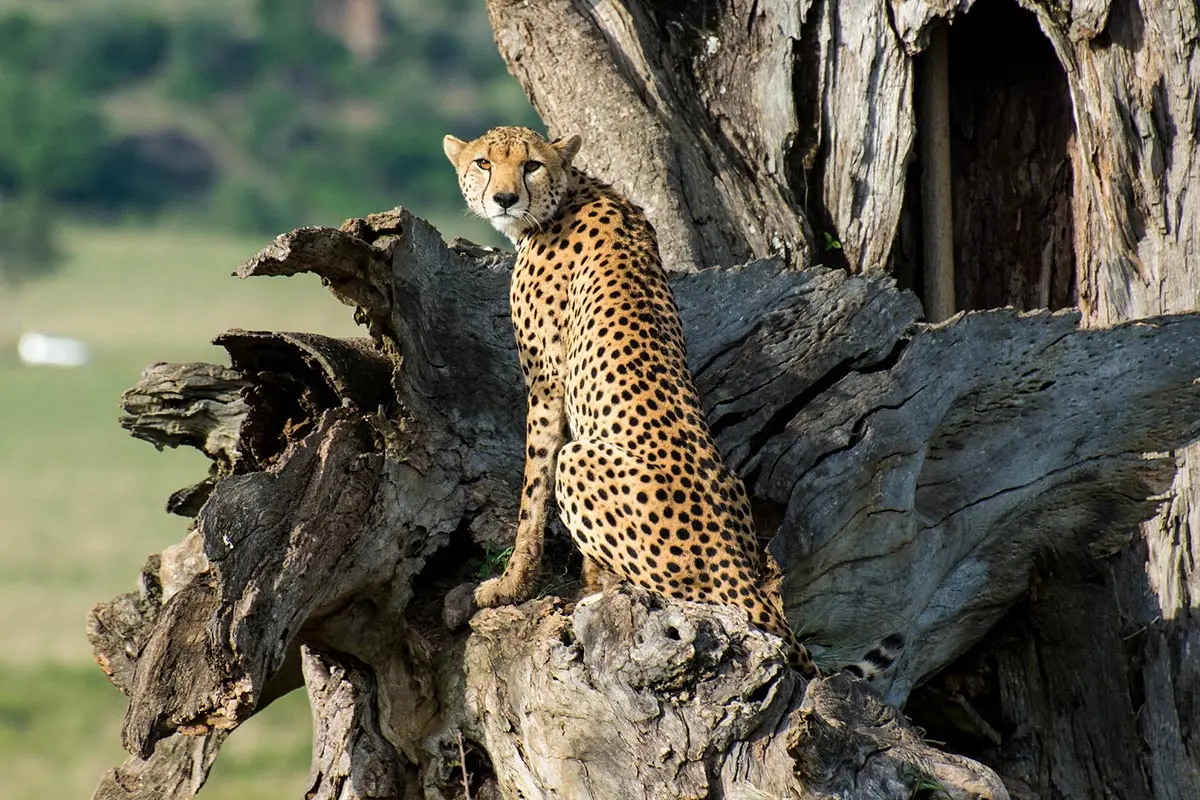
This morning begins with an early game drive across the sweeping African savannah, where opportunities abound to encounter lions, leopards, hyenas, elephants, buffalos, Jackson’s hartebeest, oribi, waterbucks, and Uganda kobs. Along the way, a wealth of birdlife can also be admired, including species such as the secretary bird, black-chested snake eagle, tawny and marshal eagles, carmine bee-eaters, swallow-tailed bee-eaters, and many others.

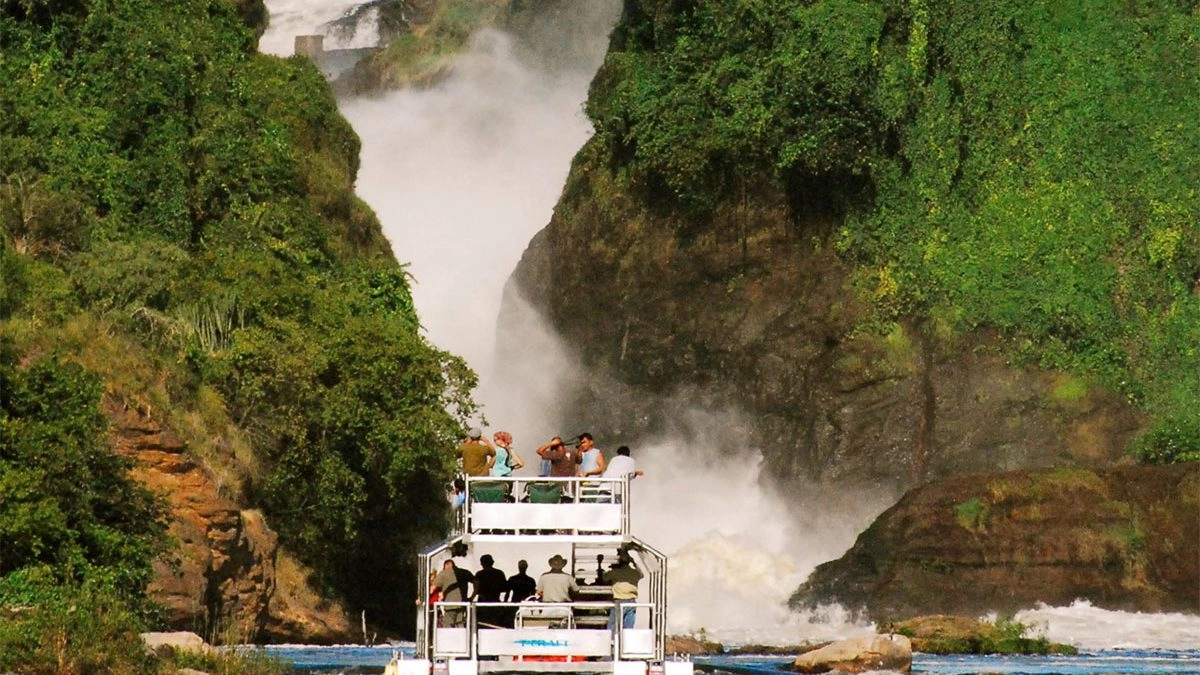
Afterward, a visit will be made to the top of Murchison Falls, where the mighty Nile forces its way through a narrow seven-meter gorge, creating a breathtaking spectacle. Breakfast will be enjoyed in this dramatic setting before the adventure continues in the afternoon with a boat cruise along the Nile, leading to the base of the falls from which the park takes its name. This unforgettable experience will be arranged by WildHorn Africa.

Fly to Queen Elizabeth National Park

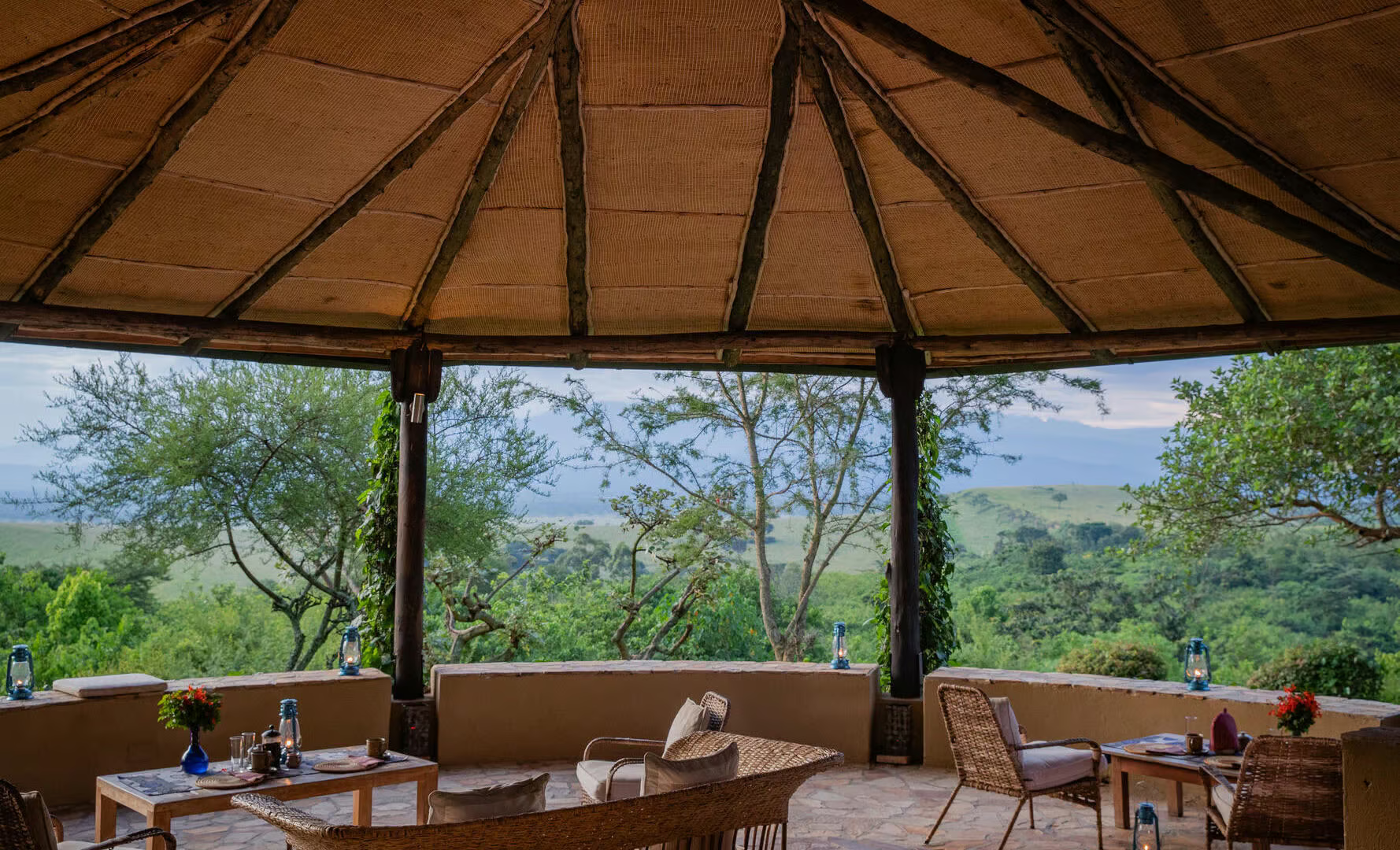
Today, you will be transferred to Pakuba Airstrip for your flight to Kasese Airstrip. On arrival in Kasese, the journey continues with a scenic drive into the world-renowned Queen Elizabeth National Park. This reserve, named in honor of Her Majesty the Queen of England, stands as Uganda’s most visited and most picturesque park.

The park stretches from the crater-strewn foothills of the Rwenzori Mountains in the north, down along the shores of Lake Edward, and further south to the remote Ishasha River. Within this vast expanse lies an incredible diversity of habitats, from open savannah and wetlands to lush lowland forests. Later in the day, an evening game drive will be enjoyed in the park, offering a first glimpse of its abundant wildlife and captivating landscapes, all perfectly arranged by WildHorn Africa.

Chimpanzee Trekking and Kazinga Channel

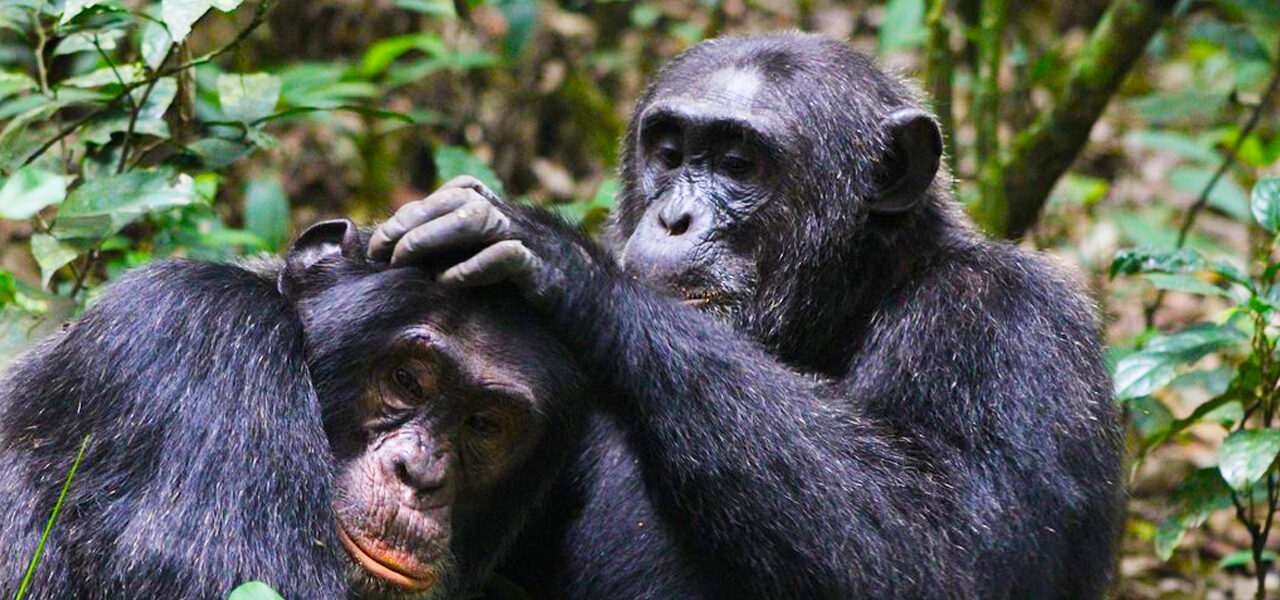
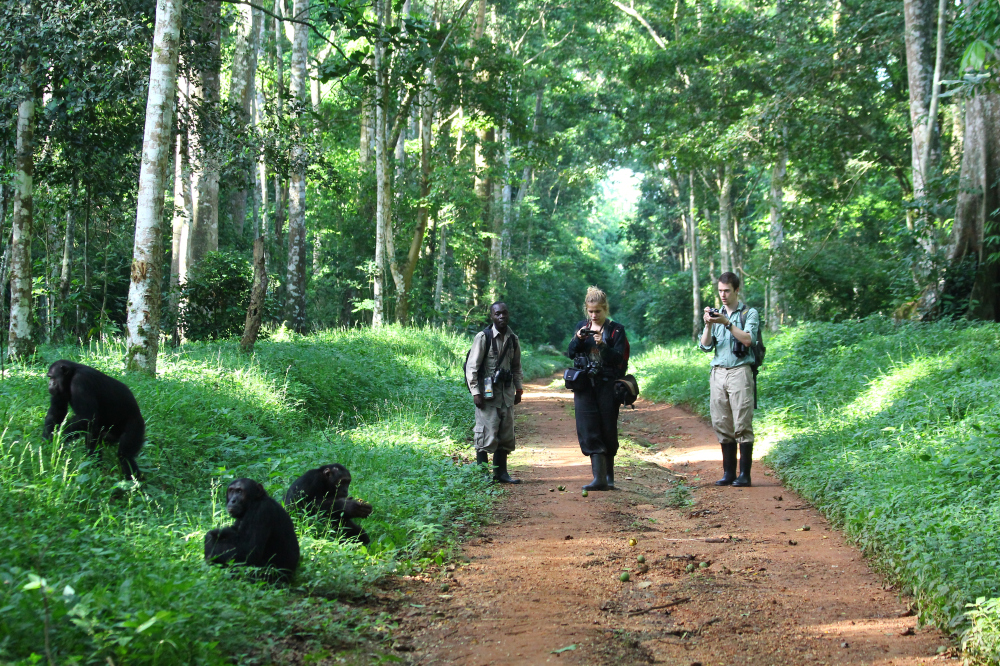
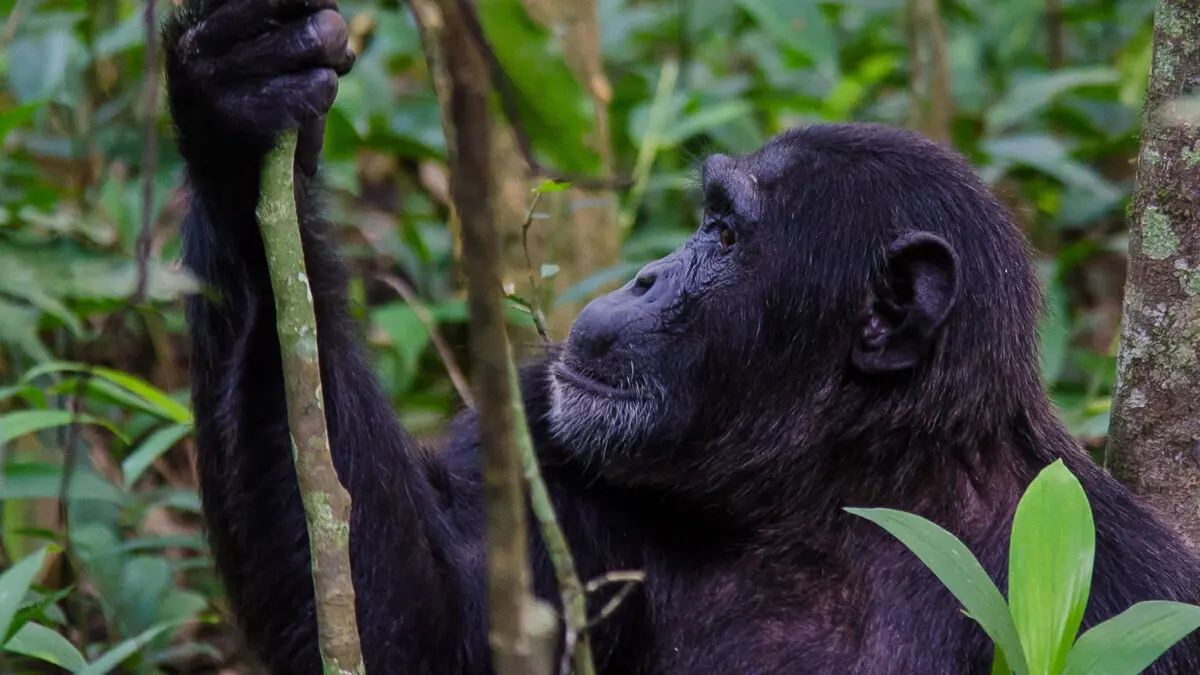
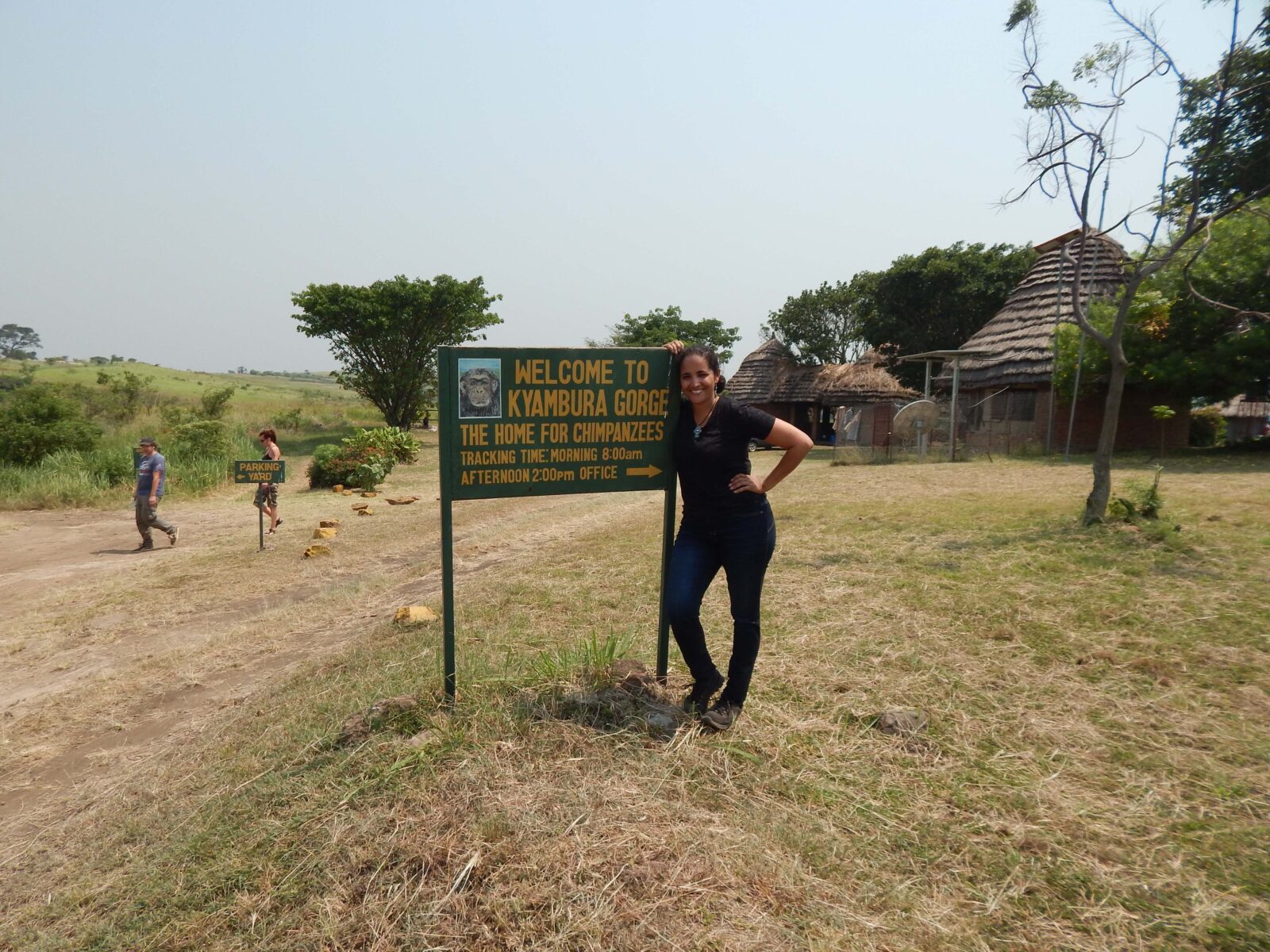
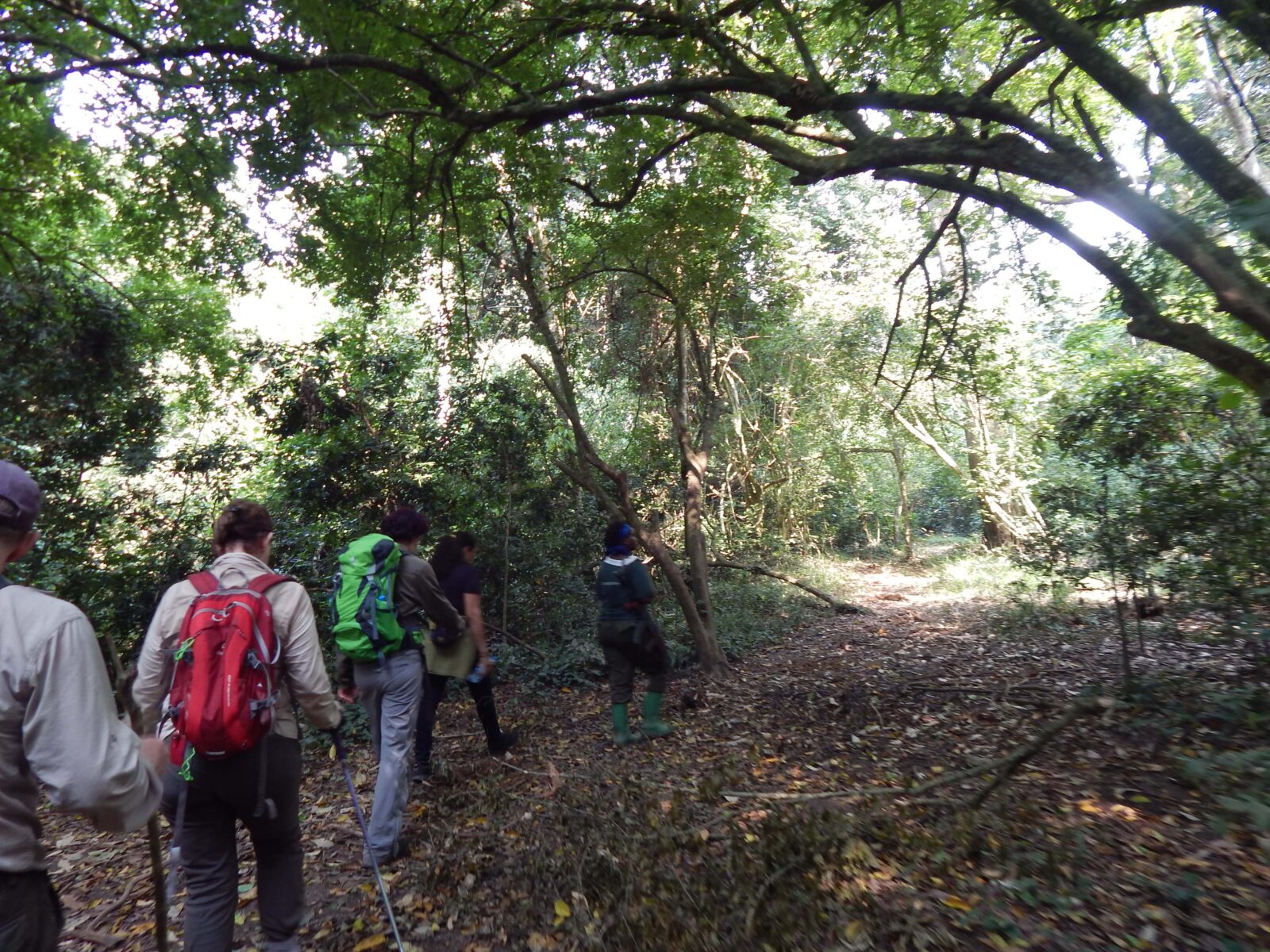
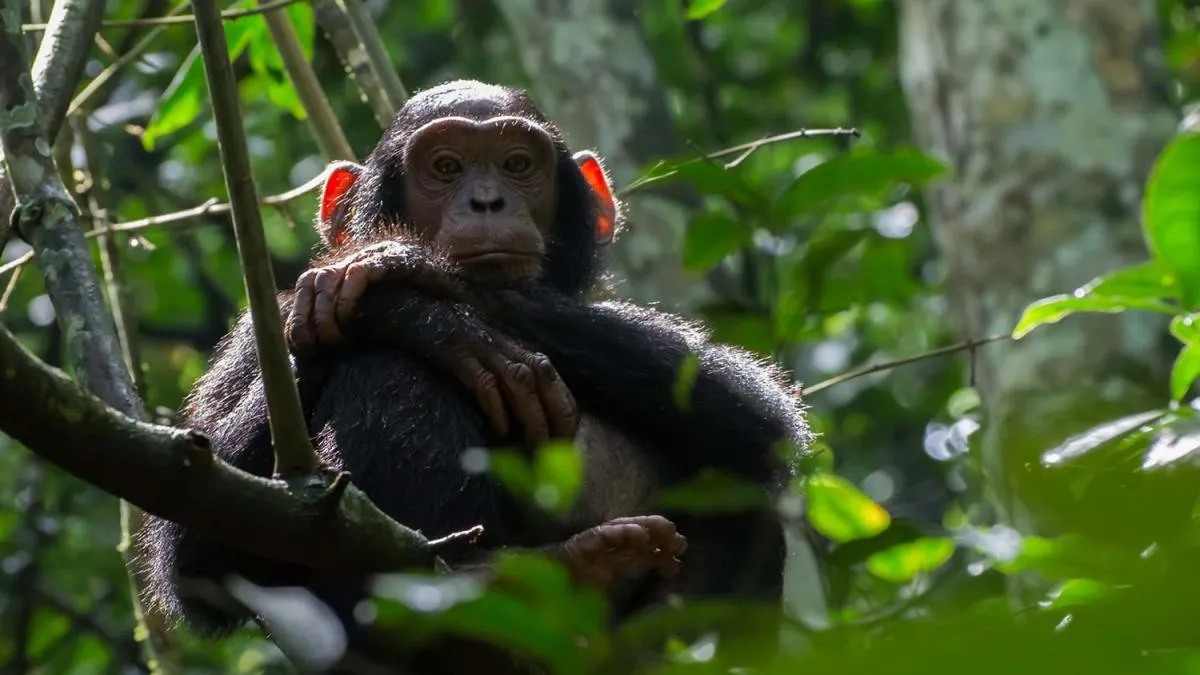
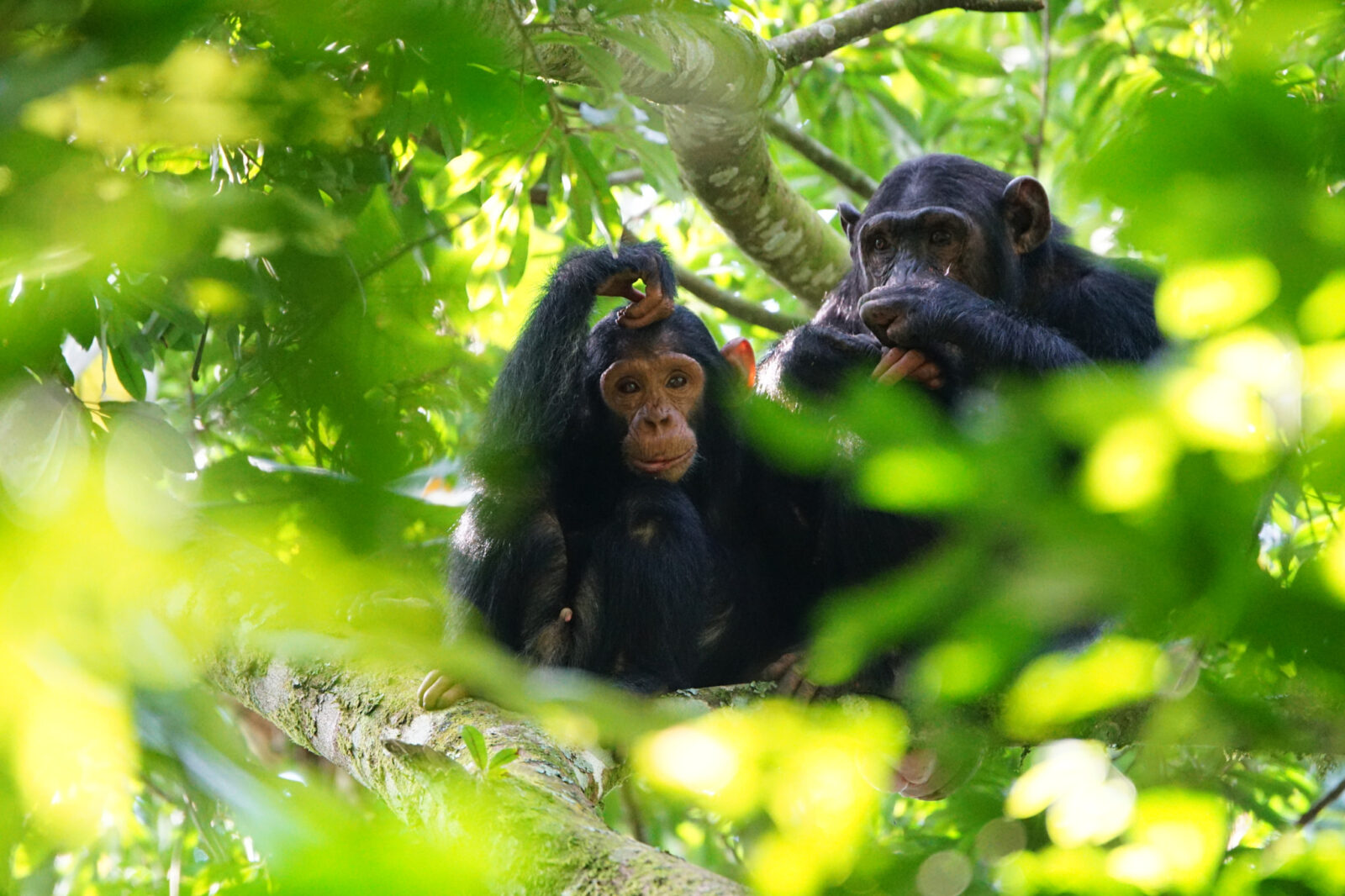
After an early breakfast, the adventure continues with a transfer to Kyambura Gorge for an exciting chimpanzee trekking experience. This remarkable gorge, stretching about one kilometer wide at its broadest point and plunging nearly 100 meters deep, is nourished by the Kyambura River.

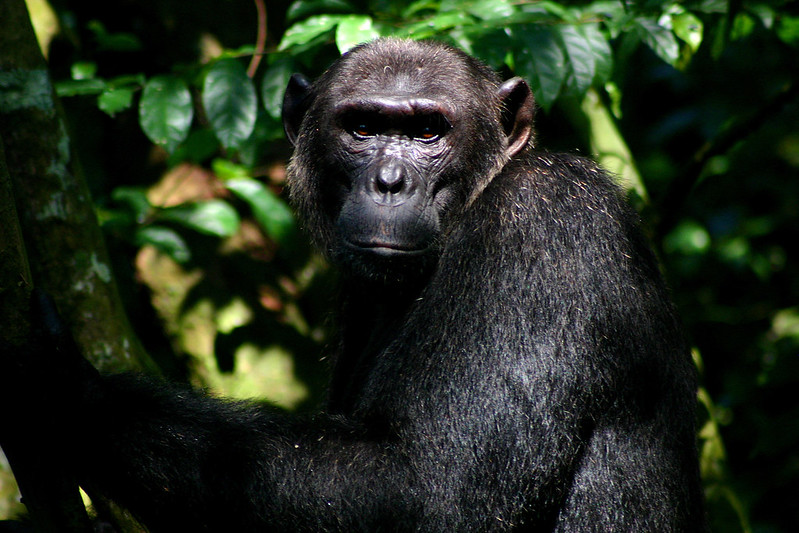
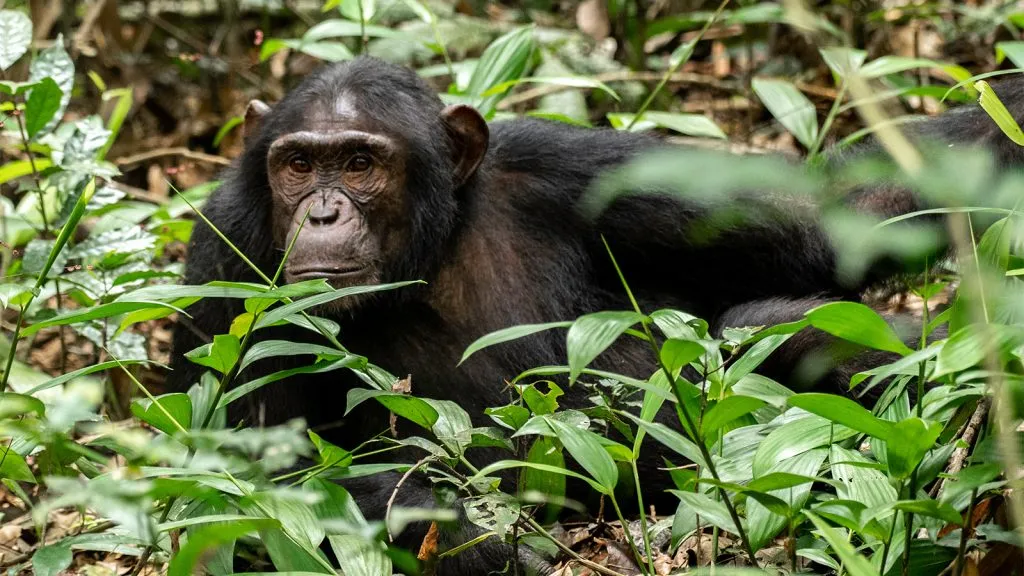
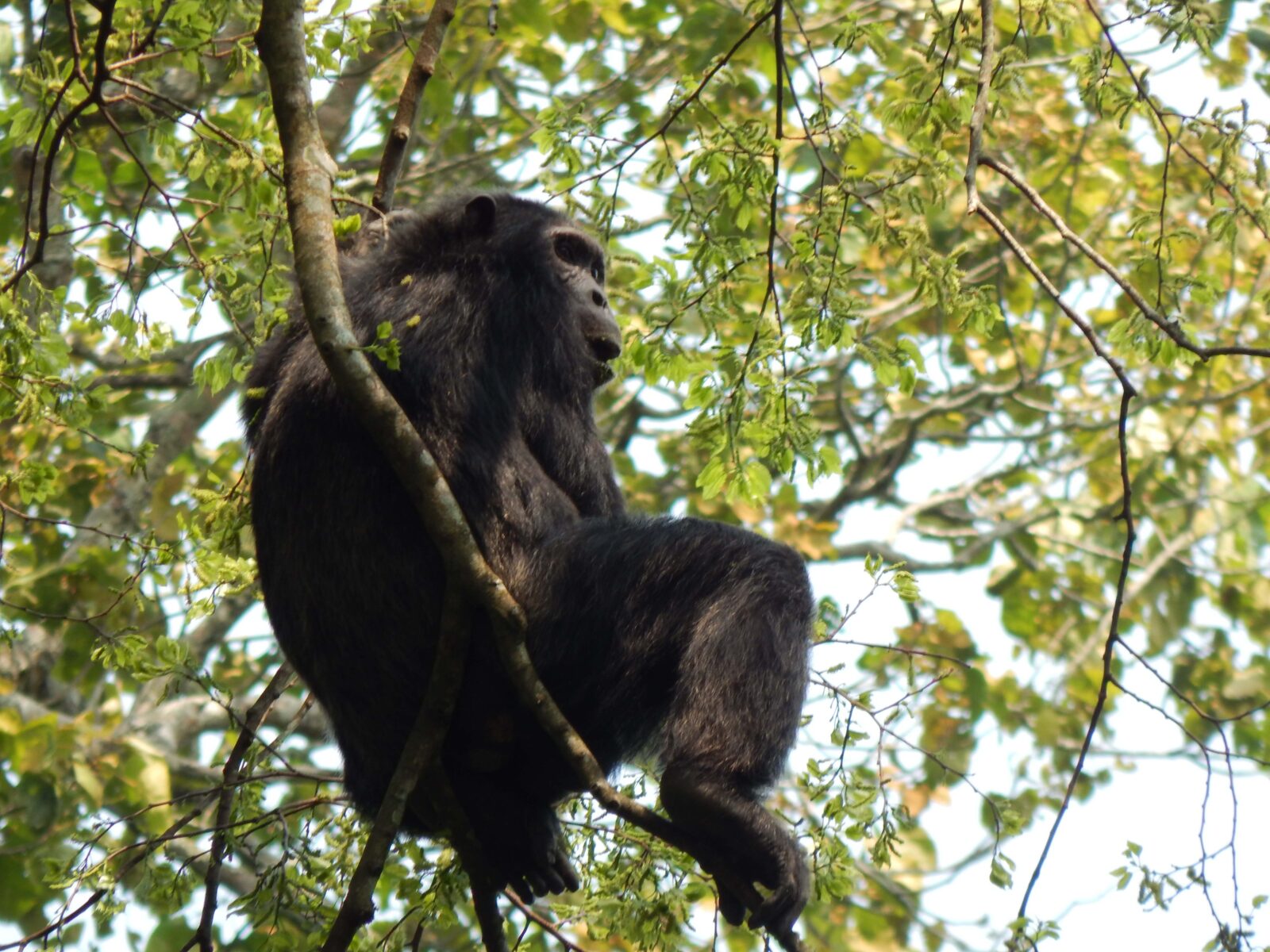
The scenery here is among the most striking in Uganda, with a thriving biodiversity that encompasses primates, a variety of wild animals, and an impressive range of bird species. The trek usually lasts between two to four hours through the forest and includes a memorable hour spent observing a habituated community of wild chimpanzees in their natural environment.

In the afternoon, a leisurely boat cruise will be enjoyed along the Kazinga Channel, a waterway that links Lake George to Lake Edward. This experience showcases the incredible diversity of Queen Elizabeth National Park, which ranges from sweeping savannah and lush rainforest to dense papyrus swamps, crater lakes, and the vast expanse of Lake Edward. Every detail of this enriching day is thoughtfully arranged by WildHorn Africa.

Drive to Bwindi Impenetrable National Park

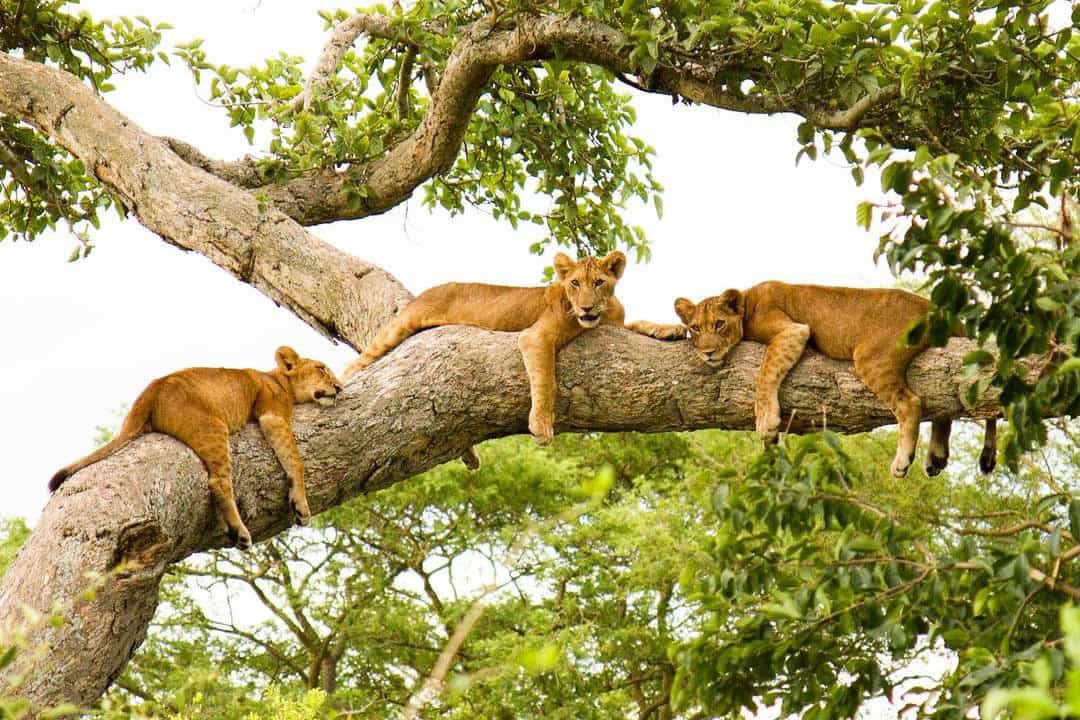
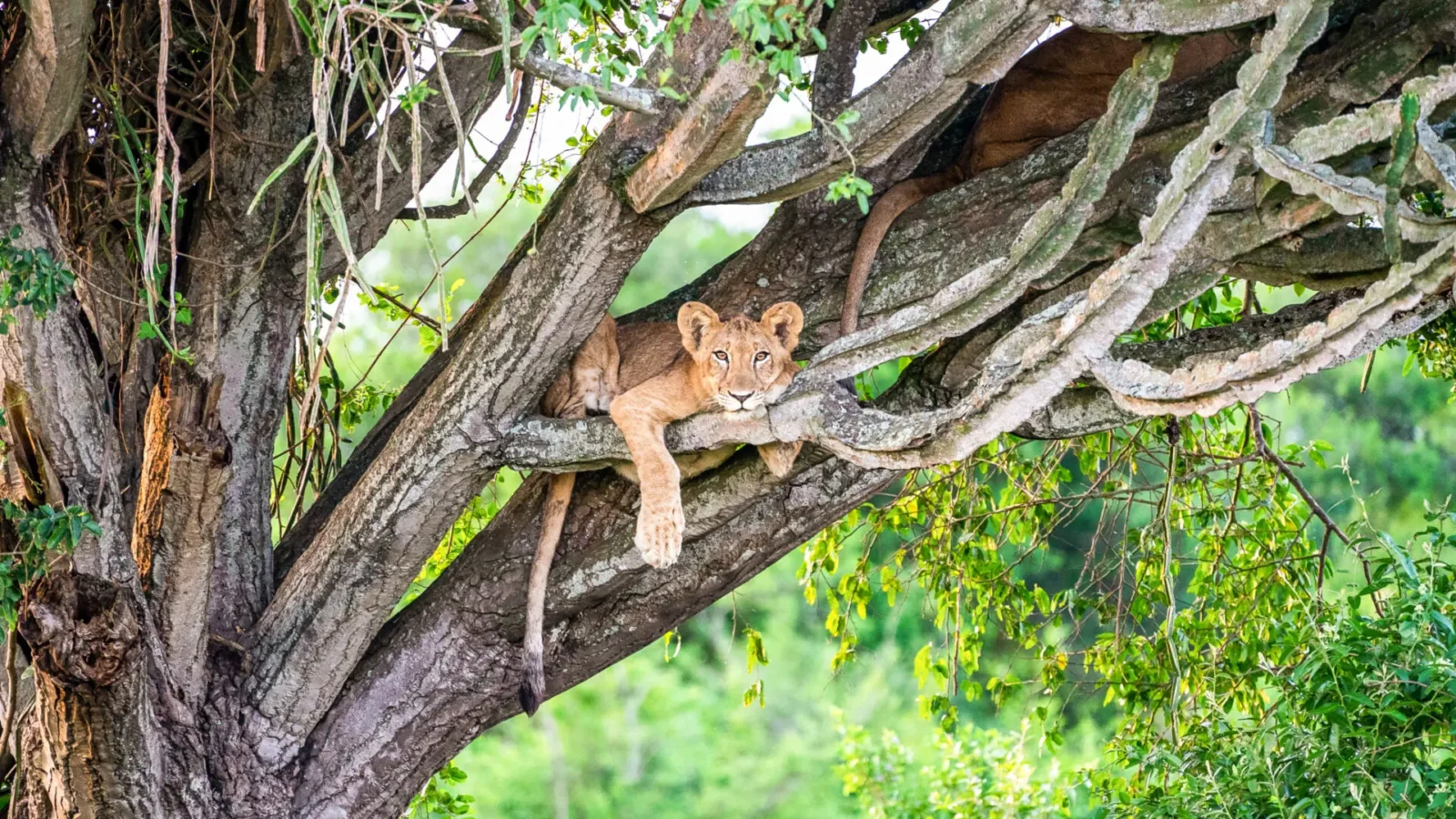
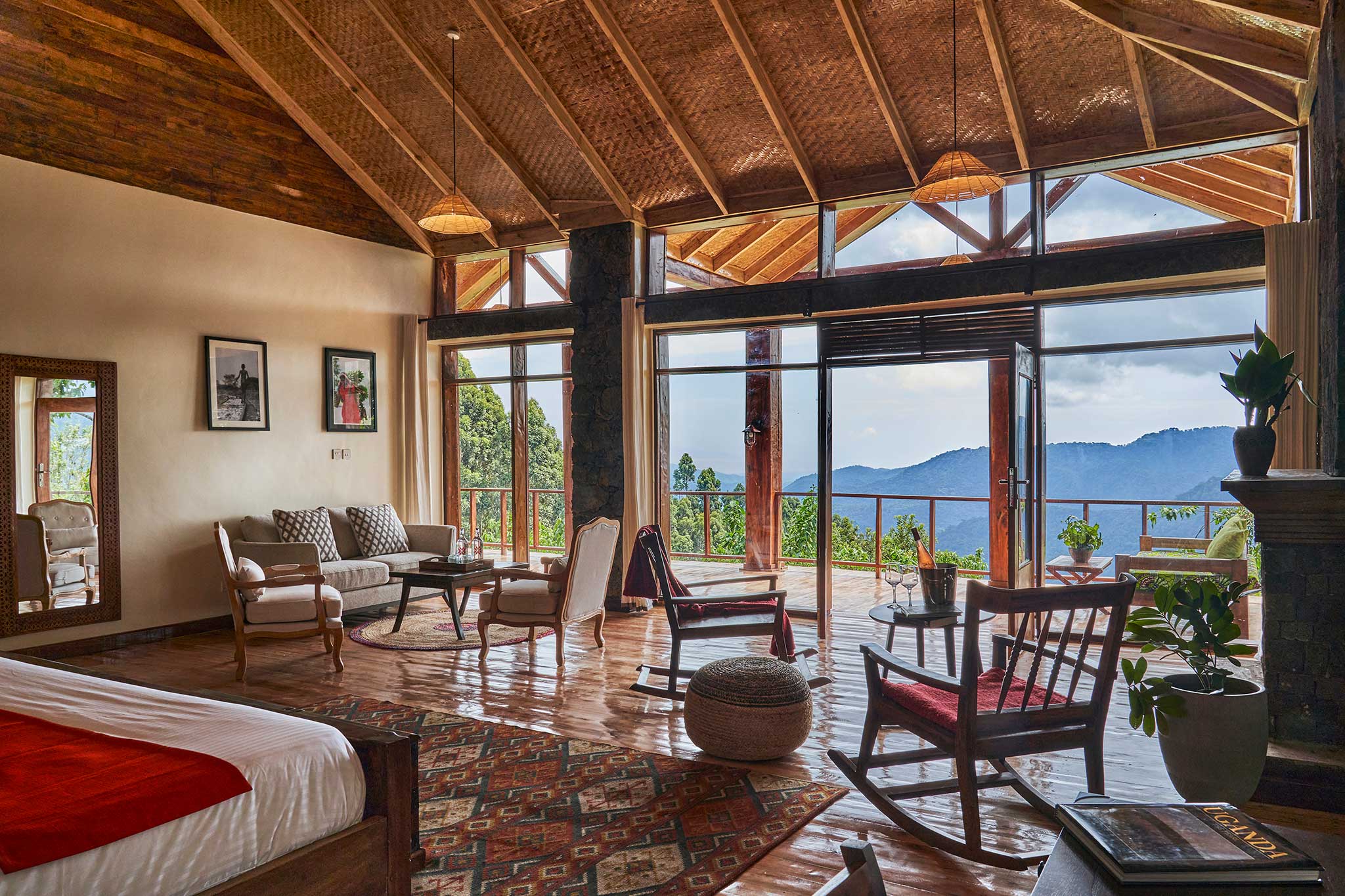
In the morning, the journey will set off towards Bwindi Impenetrable National Park. Along the way, a game drive will be enjoyed through the Ishasha sector, a region famed for its rare tree-climbing lions. From there, the route continues into the dense forests of Bwindi, the renowned sanctuary of the mountain gorillas.

Among Uganda’s forested reserves, Bwindi stands out as the most celebrated destination for gorilla trekking. Beyond its primate fame, the park also shelters elephants, chimpanzees, several monkey species, small antelopes, and an exceptional birdlife collection, including 23 species found only within the Albertine Rift. Every step of this memorable journey is carefully arranged by WildHorn Africa to ensure a seamless and rewarding experience.

Gorilla Trekking in Bwindi Impenetrable National Park

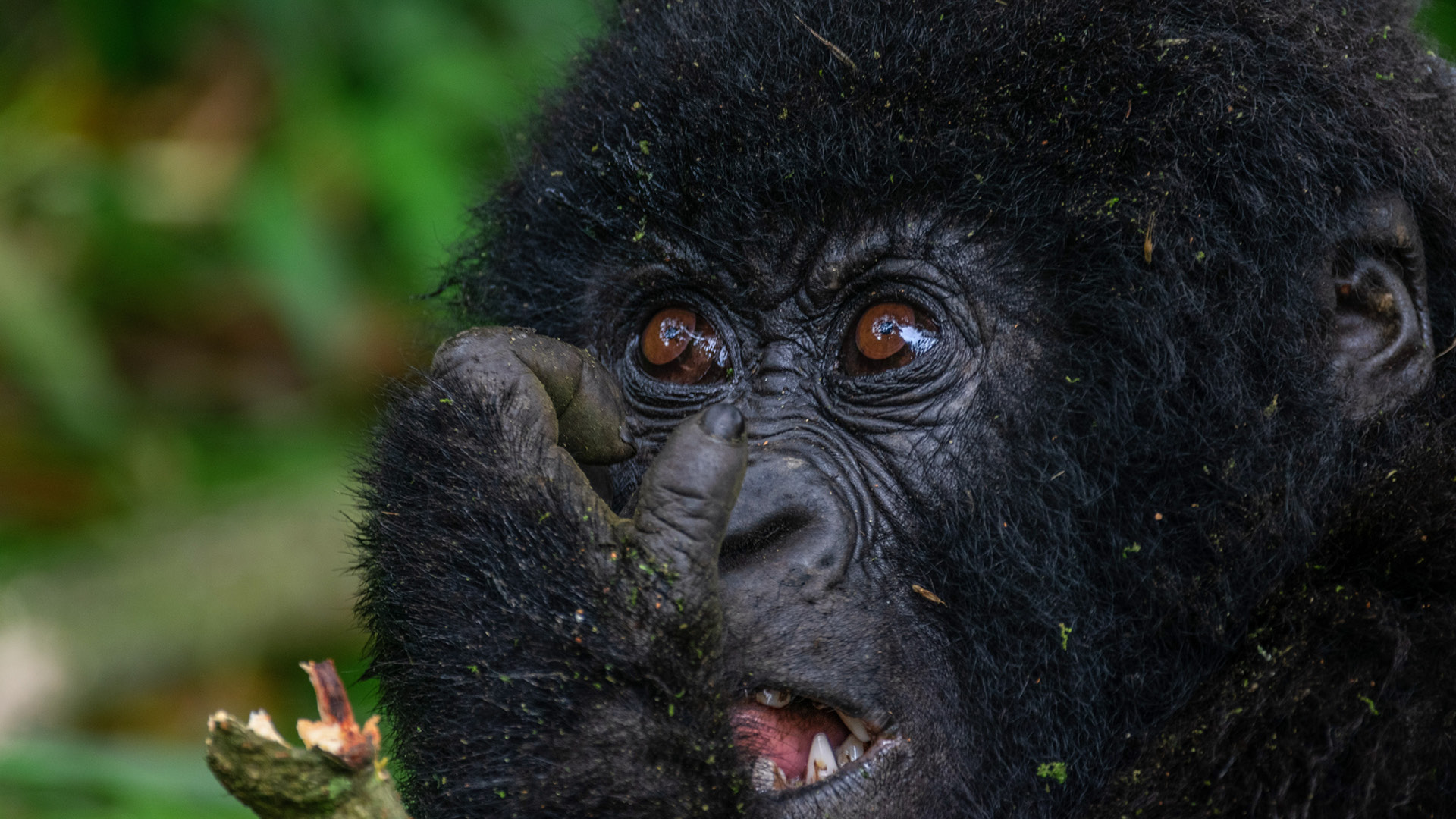
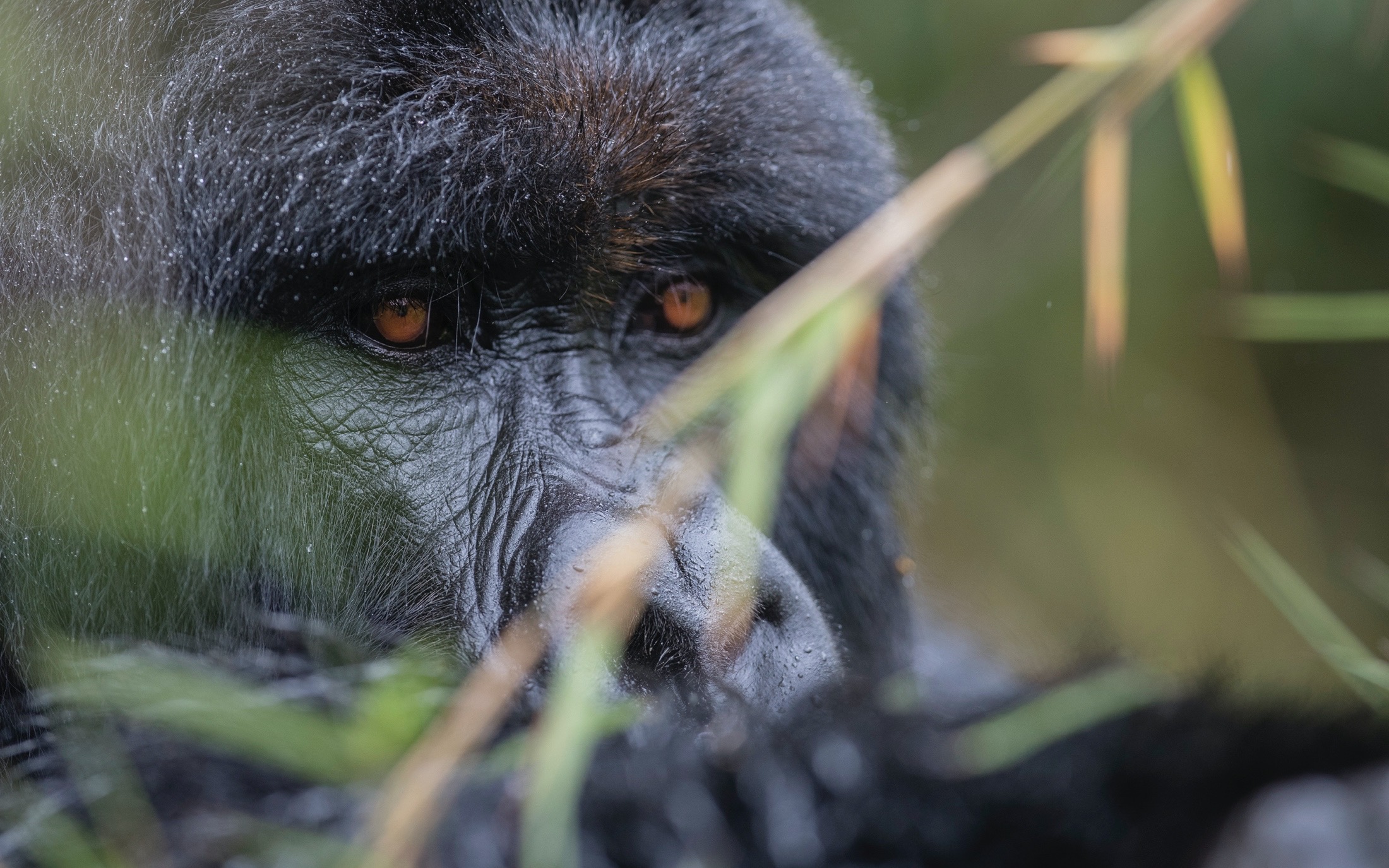
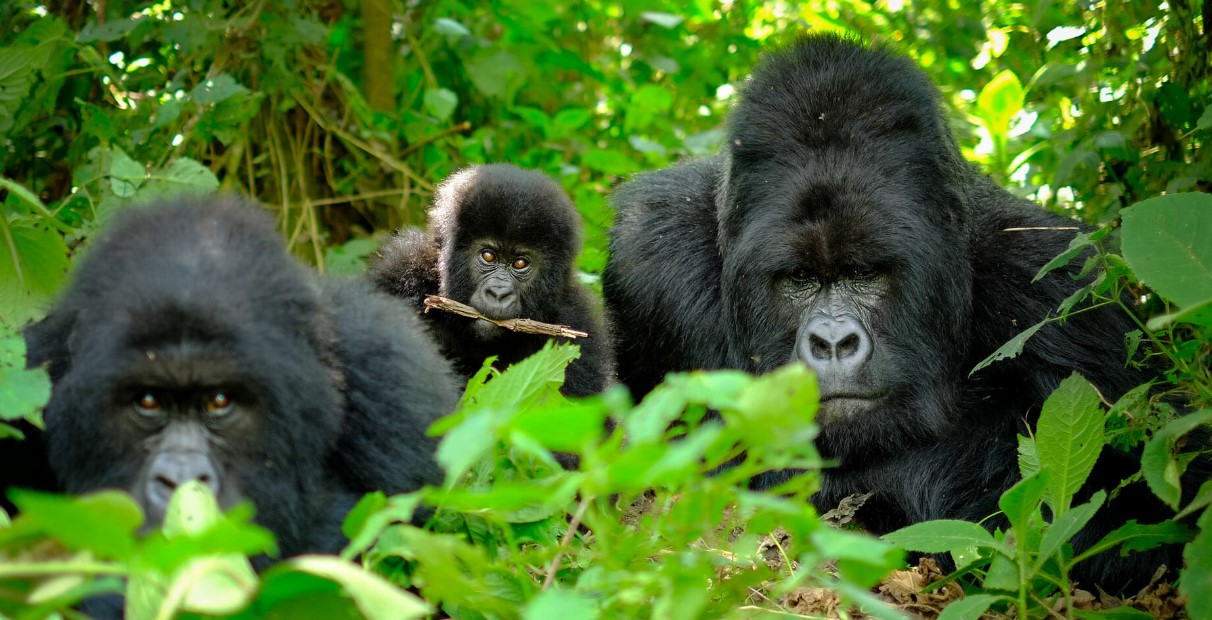
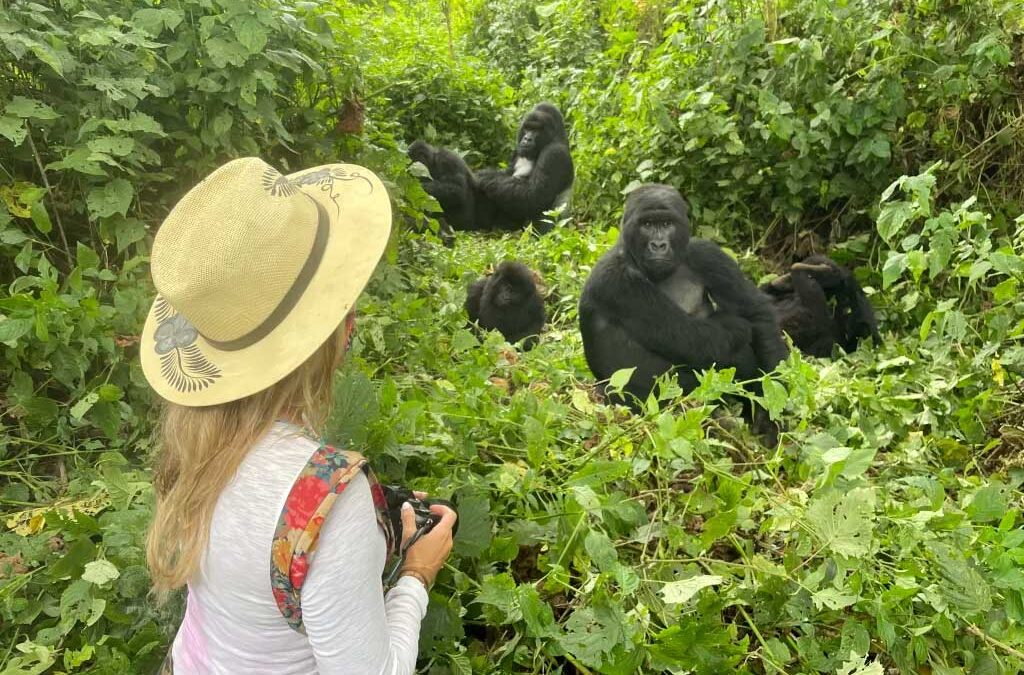
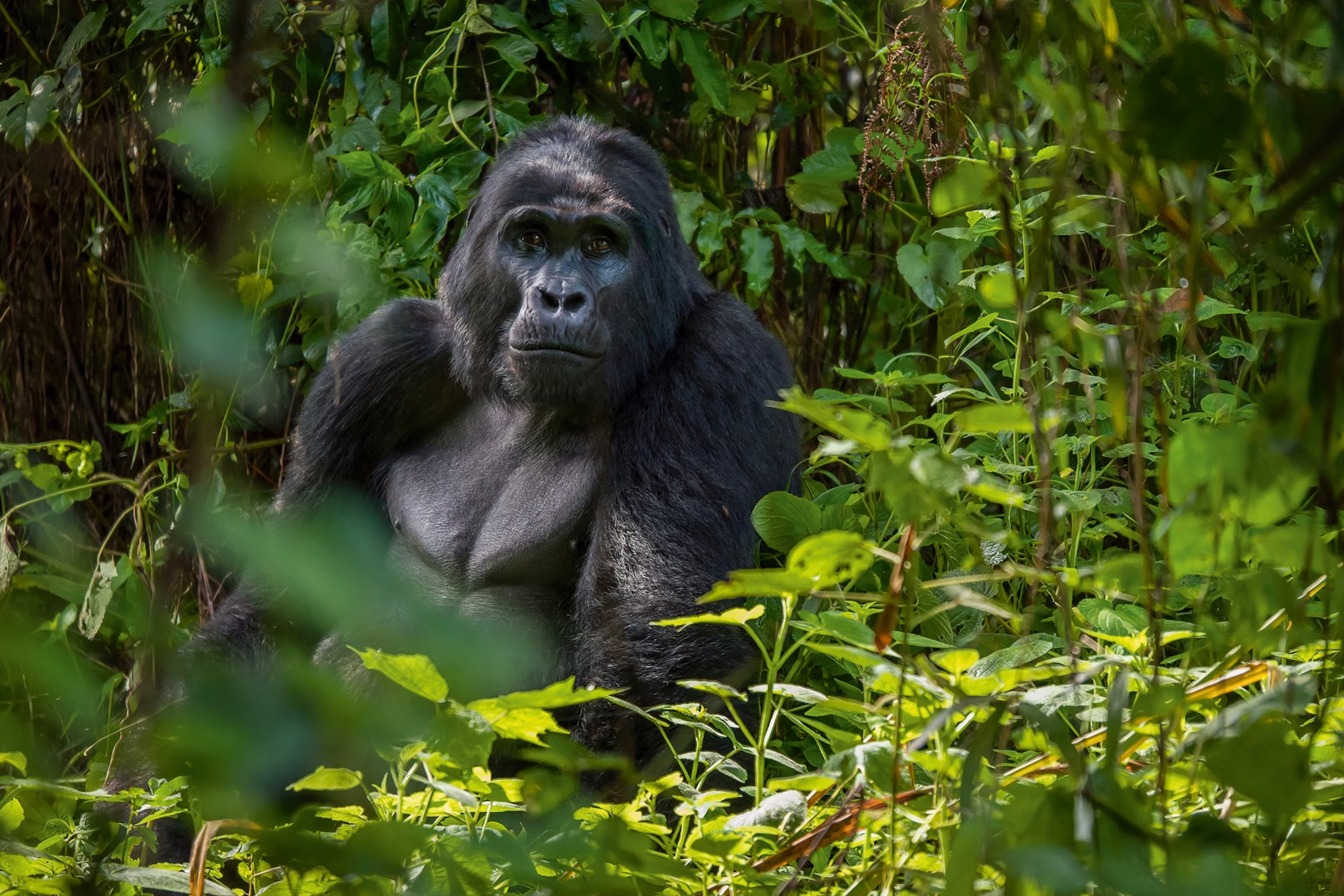
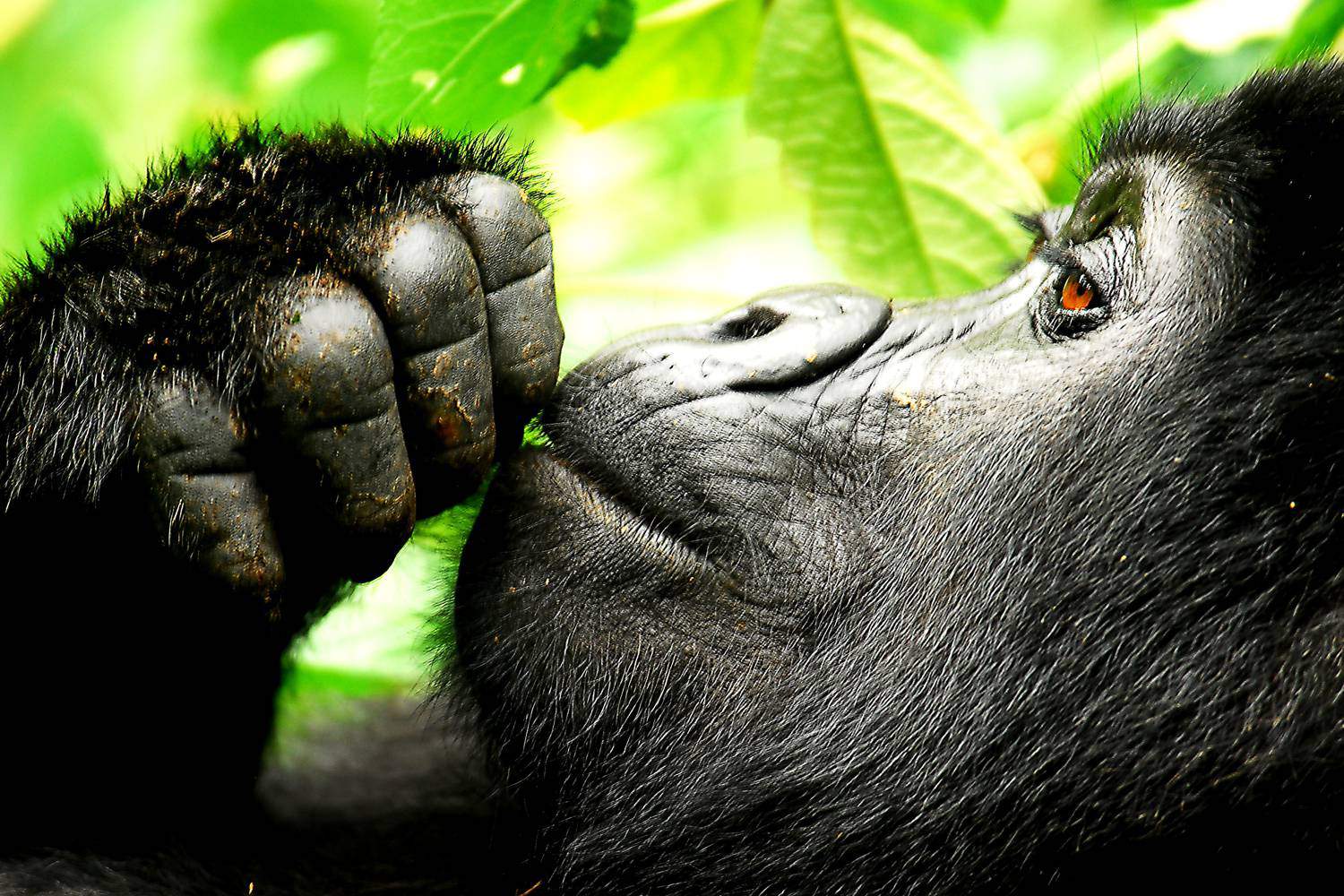
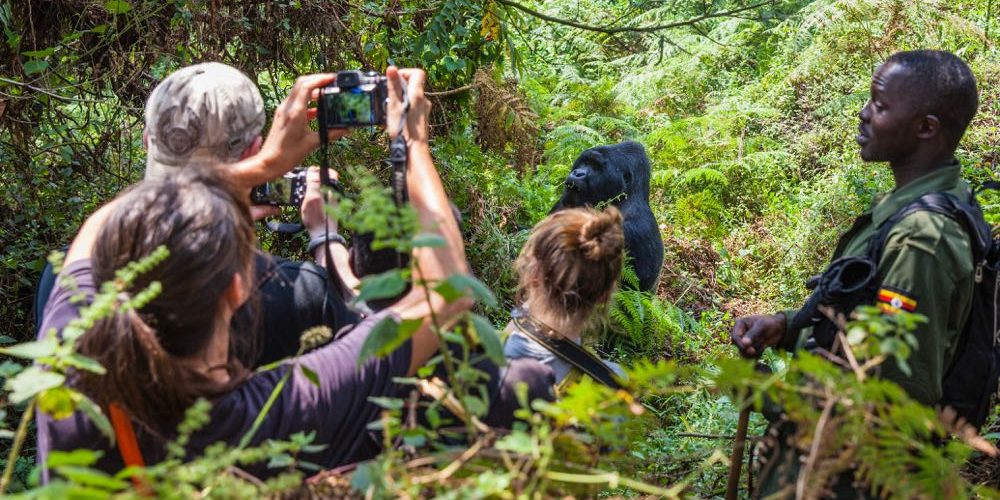
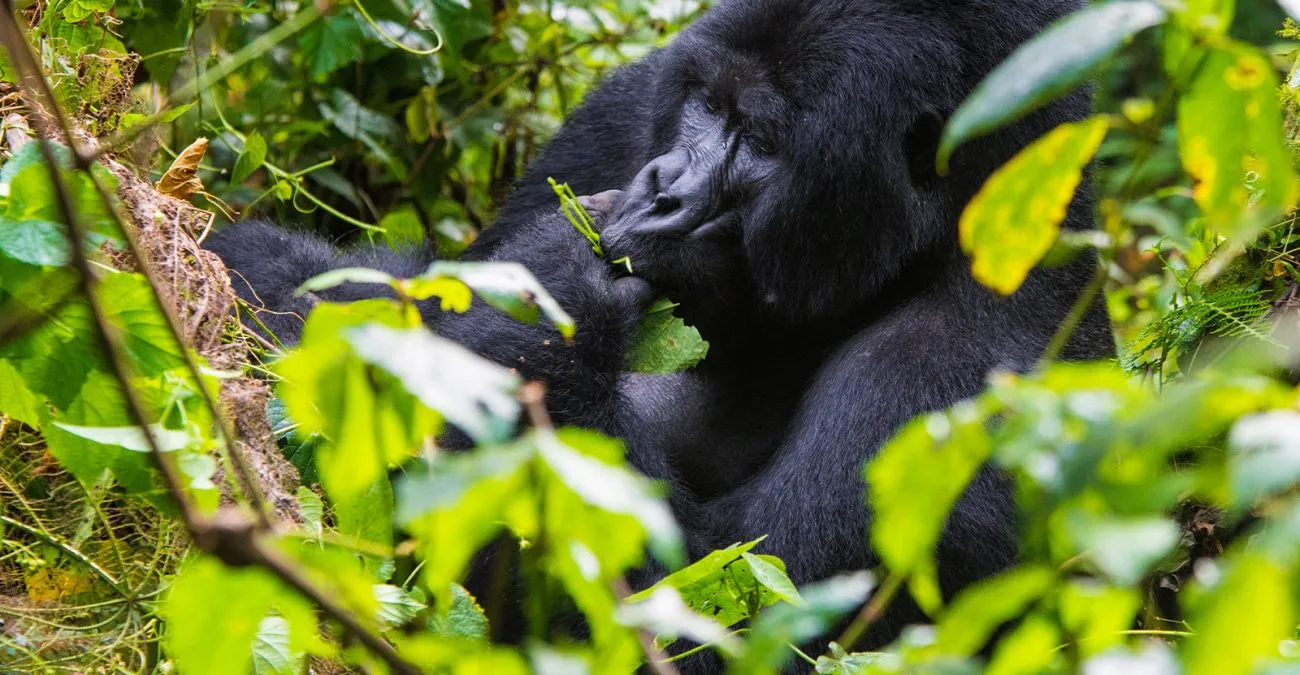
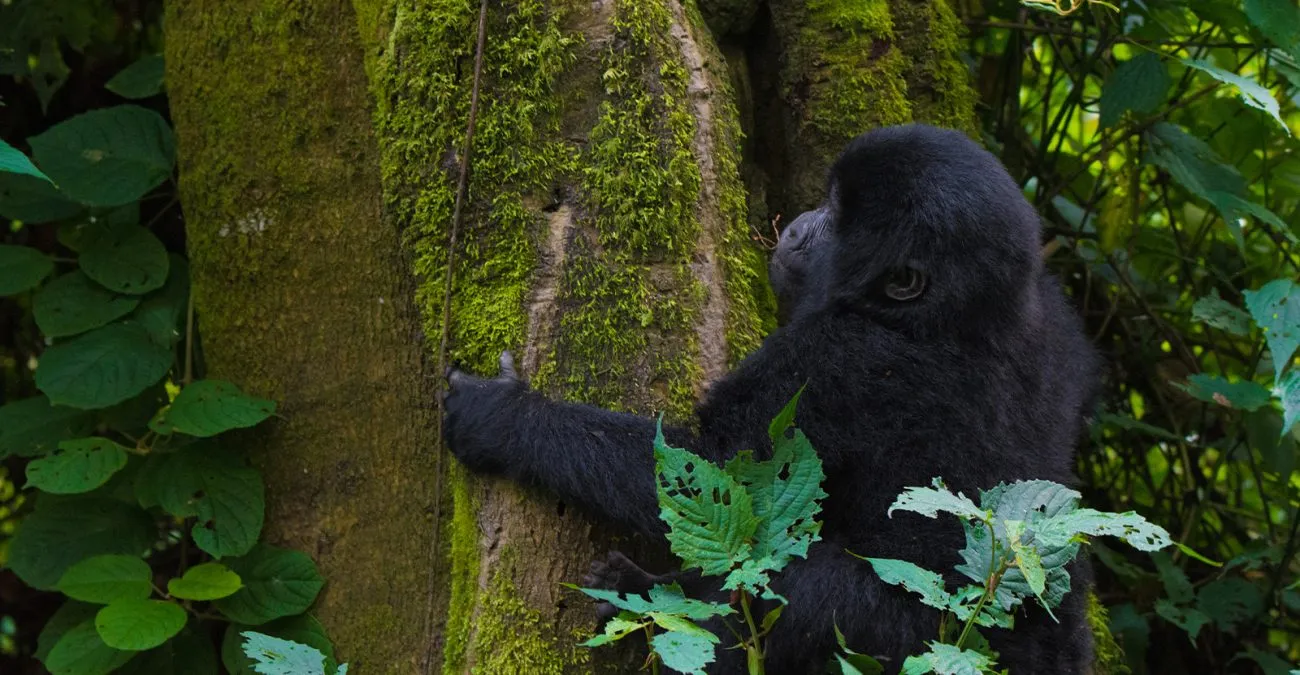
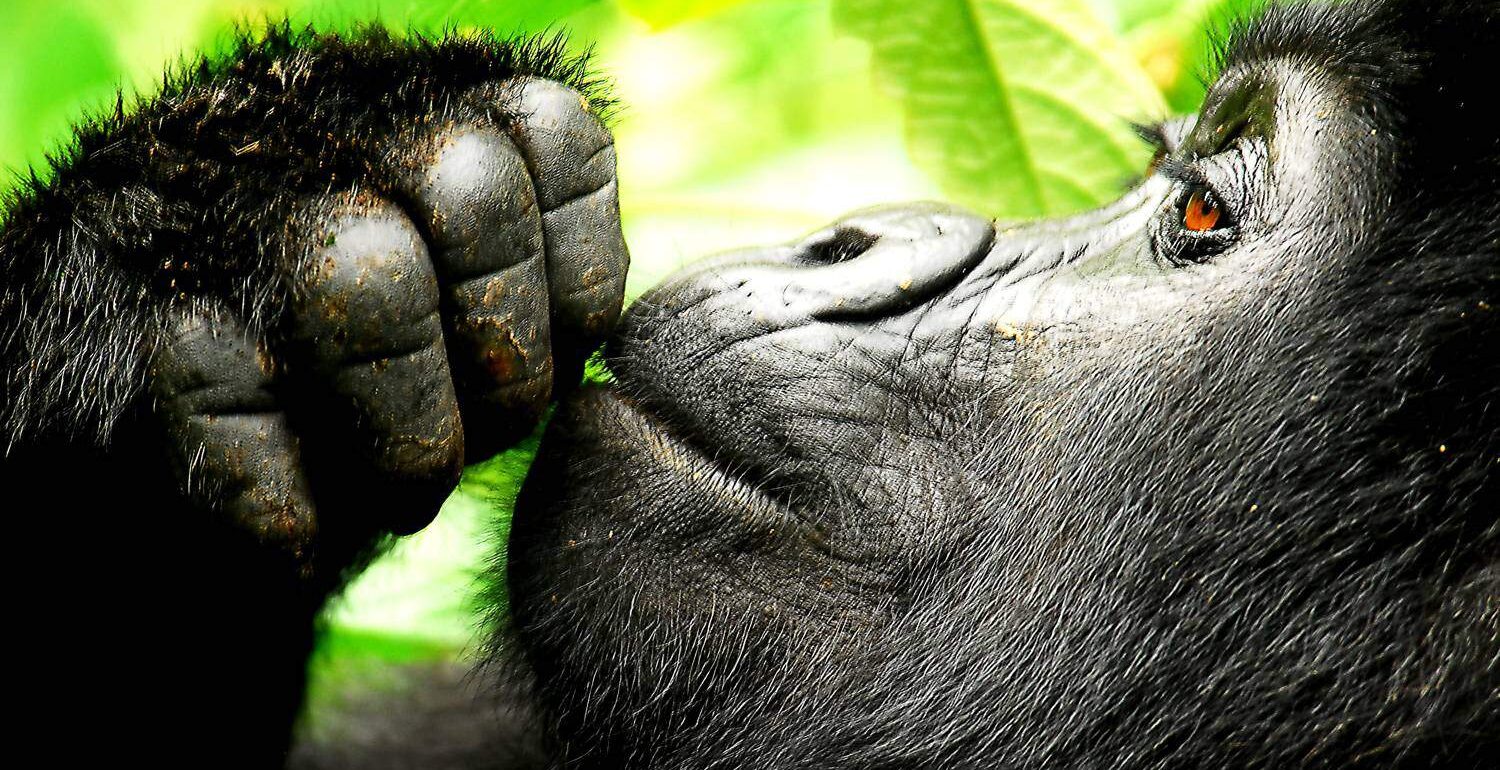
An early start this morning will lead to the long-awaited gorilla trekking adventure in Bwindi Impenetrable National Park. Encountering the endangered mountain gorillas in their natural habitat is regarded as one of the most thrilling and unforgettable wildlife experiences in the world. The trek itself may last anywhere from two to six hours, depending on the location of the gorilla family, but every step proves to be immensely rewarding.

Throughout the journey, an expert ranger will guide the group, sharing fascinating insights into the park’s rich flora, diverse fauna, and the remarkable behavior and social structure of the gorillas. This extraordinary day will be seamlessly arranged by WildHorn Africa, ensuring an experience that remains etched in memory forever.

Return to Entebbe

This morning, a return flight to Entebbe will be taken, offering stunning aerial views of southern Uganda, where rolling hills blanketed in lush vegetation create a breathtaking farewell to the journey.

On arrival at Entebbe Airport, time will be allowed to connect seamlessly with international flights home.

Included

  • Park fees(For non-residents)
  • Gorilla permits(One per person, non-resident)
  • Chimp permits(One per person, non-resident)
  • All activities(Unless labeled as optional)
  • All accommodation(Unless listed as upgrade)
  • A professional driver/guide
  • All transportation(Unless labeled as optional)
  • All flights during the tour
  • All Taxes/VAT
  • Roundtrip airport transfer
  • Meals(As specified in the day-by-day section)

Excluded

  • International flights(From/to home)
  • Additional accommodation before and at the end of the tour
  • Tips(At least 10$ perday)
  • Personal items(Souvenirs, travel insurance, visa fees, etc.)
  • Government imposed increase of taxes and/or park fees
  • Some meals(As specified in the day-by-day section)
  • Drinks(Beverages)

The best time to visit is generally considered to be during the dry season, when weather conditions are more pleasant and travel is less likely to be disrupted, typically based on your preferred destinations. During this period, landscapes are at their most vibrant, wildlife sightings are more frequent, and activities can be enjoyed with greater ease. While visits are possible year-round, choosing this window is often recommended to ensure the most rewarding and comfortable experience.

WhatsApp
Kyambura Gorge

Kyambura Gorge

By Uganda places to visit, Where to go

Kyambura Gorge

Kyambura Gorge is more than a geographical marvel; it is a sanctuary of unique ecosystems, a vital conservation area, and a magnet for travelers seeking intimate encounters with Uganda’s most fascinating wildlife. Understanding its location, best visiting times, activities, and surrounding attractions reveals why it remains one of Uganda’s hidden gems.

Kyambura Gorge

packages

Get inspired by our trip ideas to Kyambura Gorge

Where is Kyambura Gorge located?

Kyambura Gorge is situated in the eastern sector of Queen Elizabeth National Park, one of Uganda’s premier wildlife reserves. Stretching nearly 100 kilometers across western Uganda, the park is celebrated for its vast savannahs, volcanic craters, and shimmering lakes. Within this diverse landscape, Kyambura Gorge emerges as a remarkable contrast—a deep fissure formed by ancient geological activity and erosion from the Kyambura River.

The gorge itself extends for about 16 kilometers, plunging to depths of nearly 100 meters. It is covered in a dense tropical forest, nourished by the river that meanders through its base. Its location in the heart of Queen Elizabeth National Park makes it easily accessible to travelers exploring the region, while still maintaining an atmosphere of seclusion and mystery. From the gorge, panoramic views extend to the Rwenzori Mountains, often shrouded in mist, and to the volcanic craters scattered across the savannah plains, creating an otherworldly setting for exploration.

When is the best time to go to Kyambura Gorge?

The best time to visit Kyambura Gorge is largely dictated by Uganda’s climate, which is generally warm and tropical, with two distinct rainy and dry seasons. The dry seasons, occurring between December to February and June to September, are considered ideal for exploration. During these months, the forest trails within the gorge are more manageable, and chimpanzee tracking experiences tend to be more rewarding, as the primates are easier to locate in the drier vegetation.

The rainy seasons, spanning March to May and October to November, transform the gorge into a lush green paradise, with intensified bird activity and a vibrant atmosphere. However, trails can become slippery and challenging, requiring more physical stamina. For travelers seeking the most comfortable conditions for trekking and wildlife viewing, the dry months are highly recommended. Yet, the rainy seasons offer equally unique opportunities for those who enjoy verdant landscapes and fewer tourist crowds.

Things to do while at Kyambura Gorge?

A journey into Kyambura Gorge is often described as a descent into a lost world, and the activities available allow visitors to immerse themselves in both adventure and discovery. The most renowned experience in the gorge is chimpanzee tracking, a thrilling expedition where trekkers follow expert guides into the forest to locate habituated chimpanzee groups. Unlike the open savannah safaris of the rest of Queen Elizabeth National Park, the gorge offers a more intimate, up-close wildlife experience. Observing chimpanzees as they feed, groom, and communicate provides a rare glimpse into the behavioral complexity of our closest relatives.

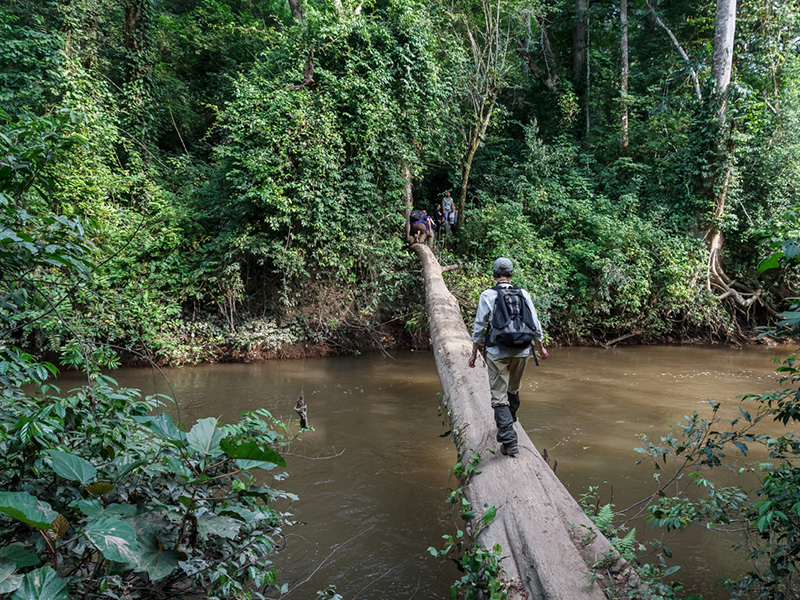
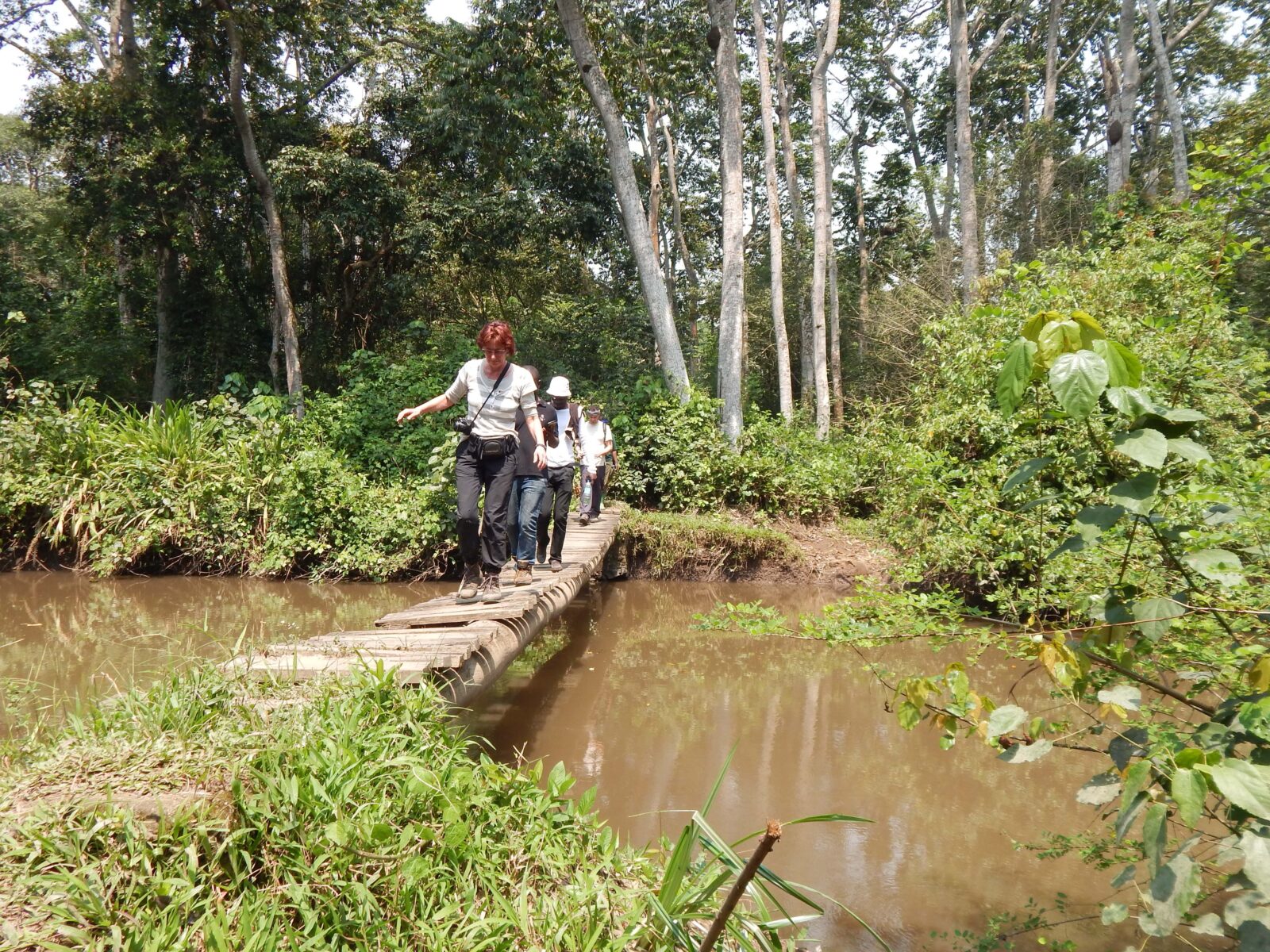
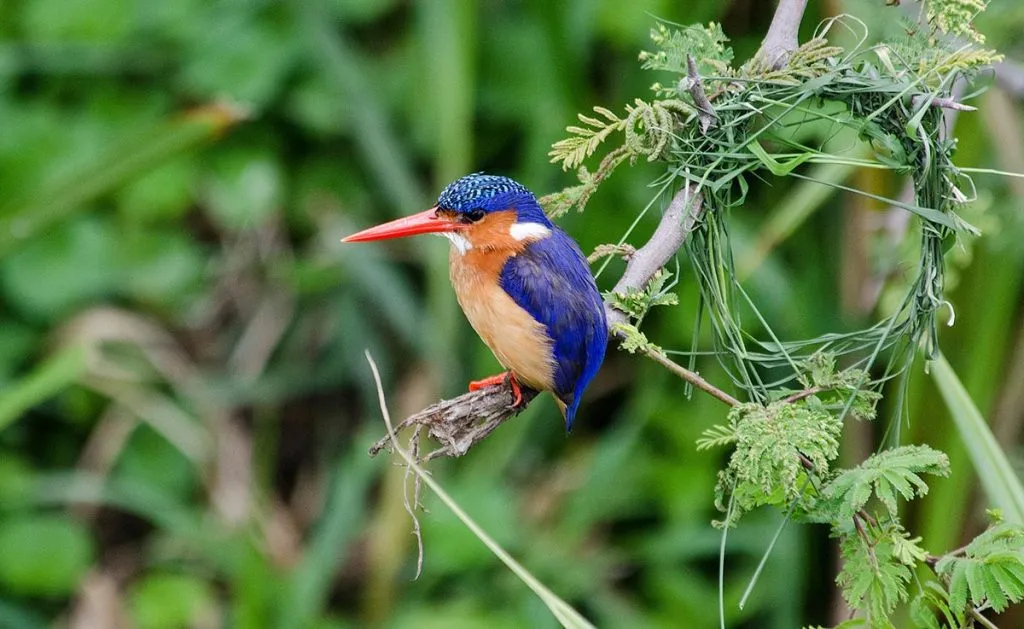
Beyond chimpanzees, nature walks through the gorge are equally captivating. The winding trails reveal hidden waterfalls, scenic river crossings, and towering tree canopies. The gorge is also a haven for bird enthusiasts, with species such as the African finfoot, kingfishers, and bee-eaters thriving along the riverbanks. Every corner of the gorge seems alive with movement and sound, creating a sensory safari unlike any other in Uganda.

Photography is another rewarding pursuit within Kyambura Gorge. The play of light filtering through the dense forest canopy, combined with the contrast between the gorge and the surrounding savannah, creates striking visuals. Visitors often find themselves pausing simply to absorb the atmosphere, where every detail feels untouched and timeless.

Where to stay while at Kyambura Gorge?

The area surrounding Kyambura Gorge offers a range of accommodations that complement the natural beauty of Queen Elizabeth National Park. Luxury lodges provide breathtaking views of the Rift Valley escarpment, crater lakes, and the expansive savannahs, while mid-range and budget options allow travelers to enjoy comfortable stays closer to the park’s attractions.

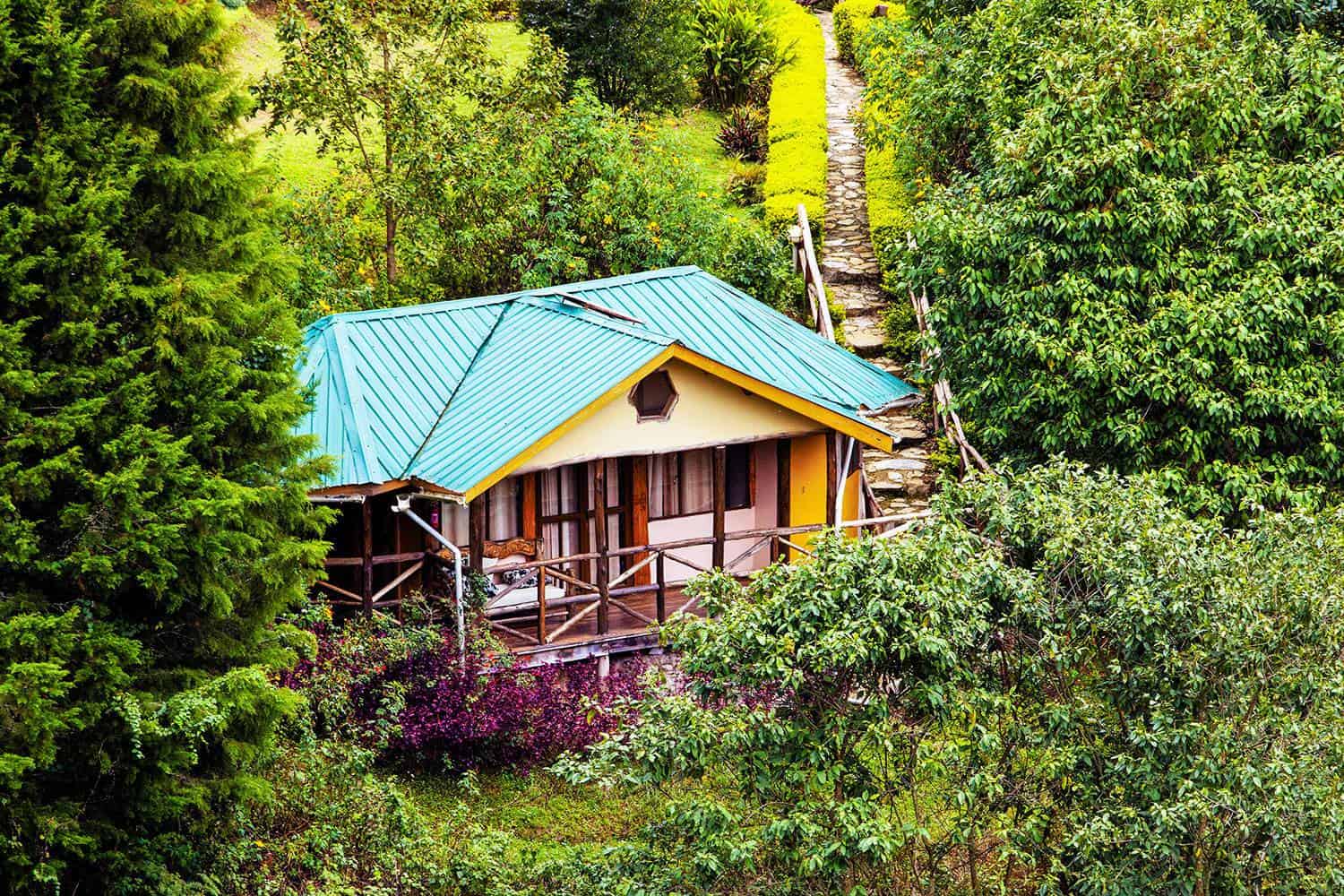
Notably, eco-lodges situated near the gorge emphasize conservation and sustainability, blending seamlessly into the environment while offering modern amenities. Staying within or around the gorge area enhances the safari experience, as early morning excursions and evening relaxation unfold against the dramatic backdrop of the Rift Valley and the sounds of nocturnal wildlife. The choice of accommodation adds an important dimension to the journey, allowing visitors to connect more deeply with the wilderness.

How to get to Kyambura Gorge?

Reaching Kyambura Gorge is relatively straightforward, as it lies within Queen Elizabeth National Park, one of Uganda’s most accessible safari destinations. From Kampala, Uganda’s capital, the drive to the park takes approximately six to seven hours, covering around 400 kilometers via the Kampala–Mbarara–Kasese highway. Along the way, travelers are treated to picturesque scenery, including rolling hills, plantations, and glimpses of Lake Mburo National Park.

For those seeking quicker access, domestic flights are available from Entebbe International Airport to Kasese Airstrip, which lies close to Queen Elizabeth National Park. From there, a short drive leads to the gorge. Once inside the park, well-maintained roads connect the gorge to other attractions, making it an easy addition to a broader safari itinerary. The combination of accessibility and remoteness ensures that while the gorge is not difficult to reach, it retains a sense of exclusivity and adventure.

Wildlife and attractions at Kyambura Gorge

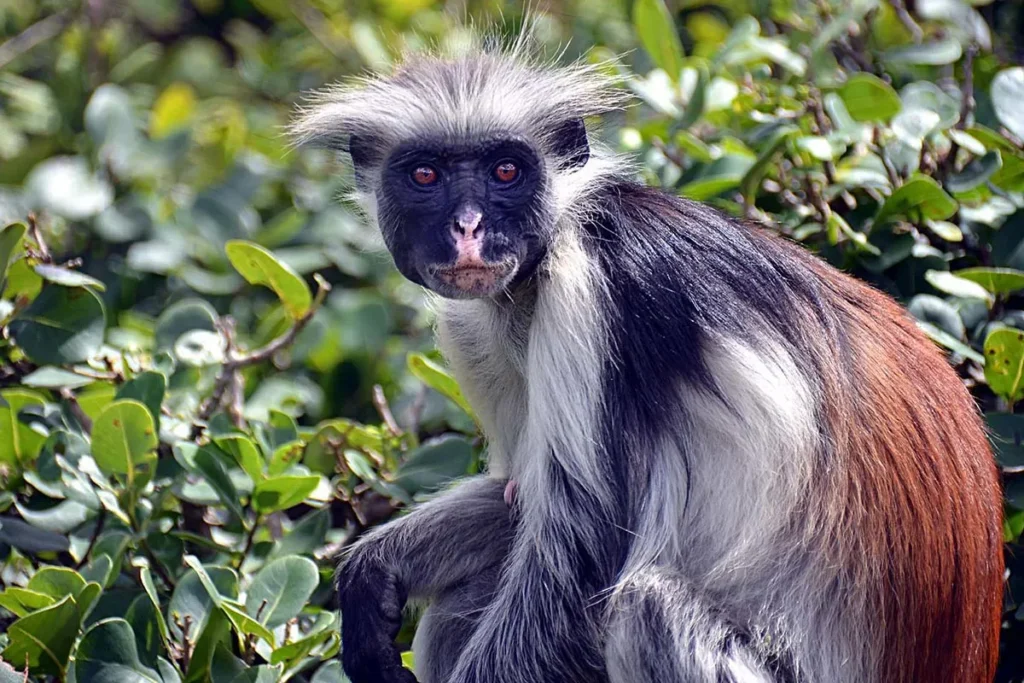
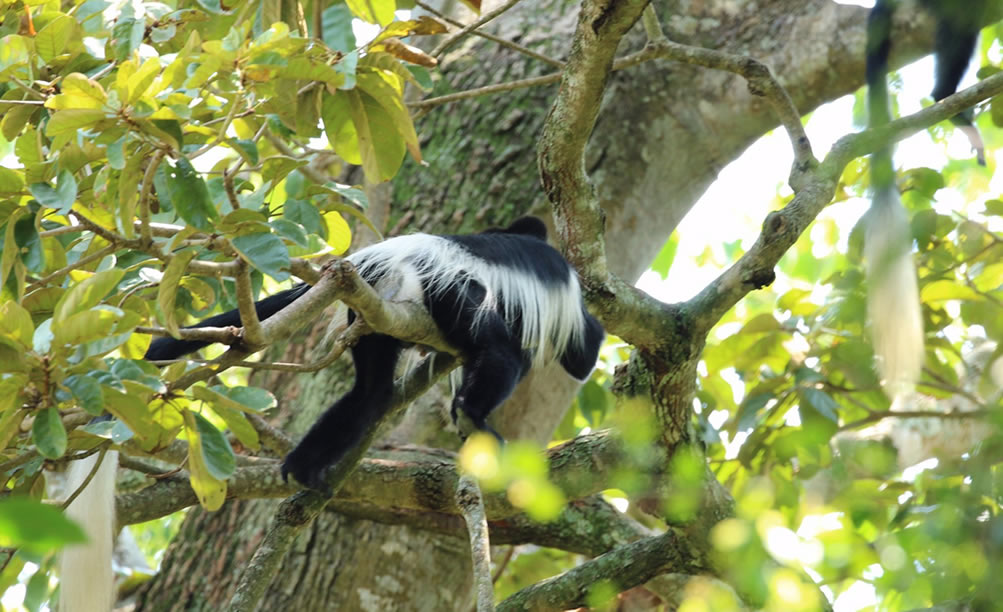
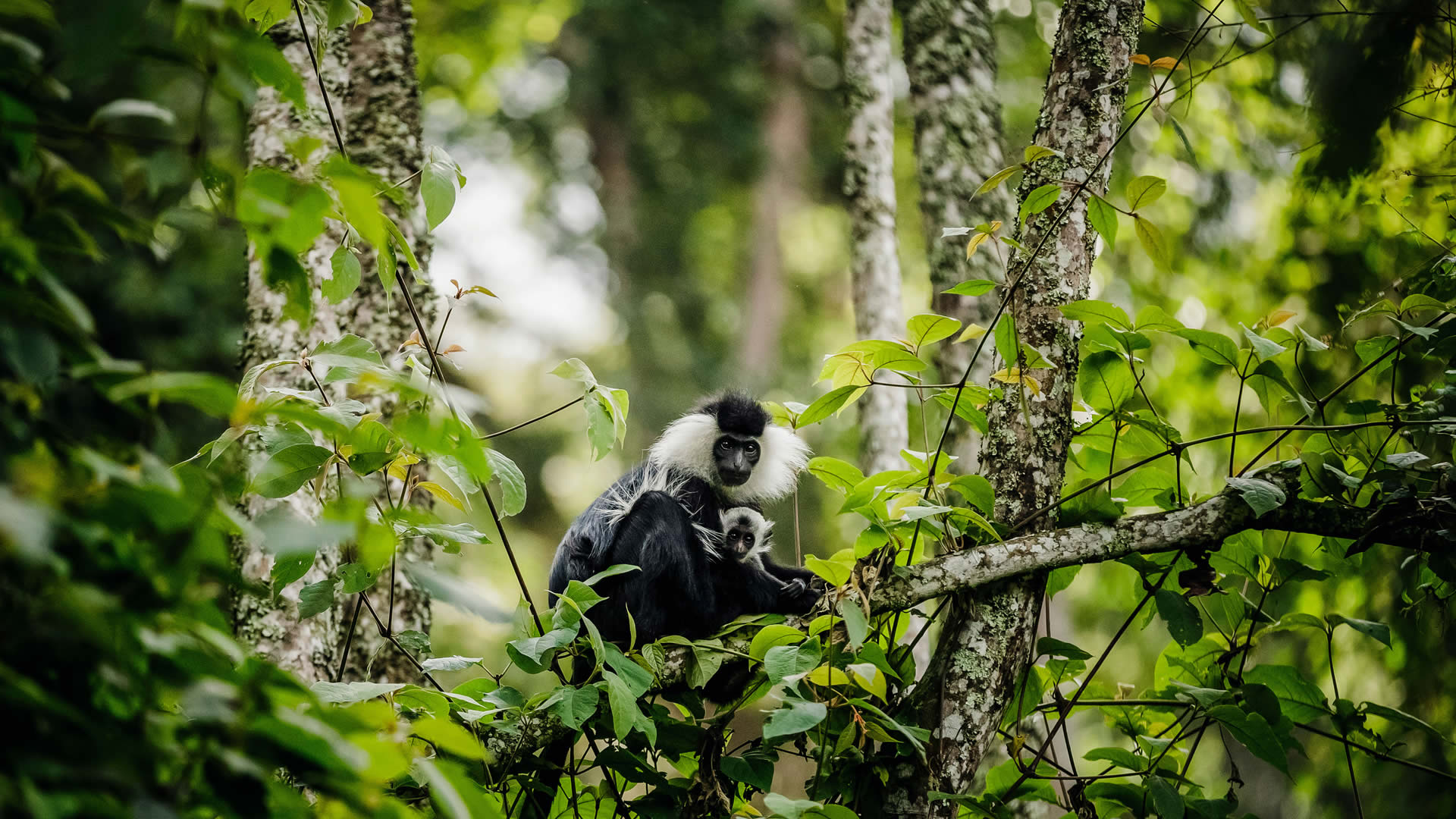
While chimpanzees are the crown jewel of Kyambura Gorge, the canyon teems with an extraordinary variety of wildlife. Troops of red-tailed monkeys, black-and-white colobus monkeys, and baboons can often be seen navigating the canopy and riverbanks. The gorge also shelters hippos that wallow in the river’s pools, as well as antelopes that occasionally venture into the forest.

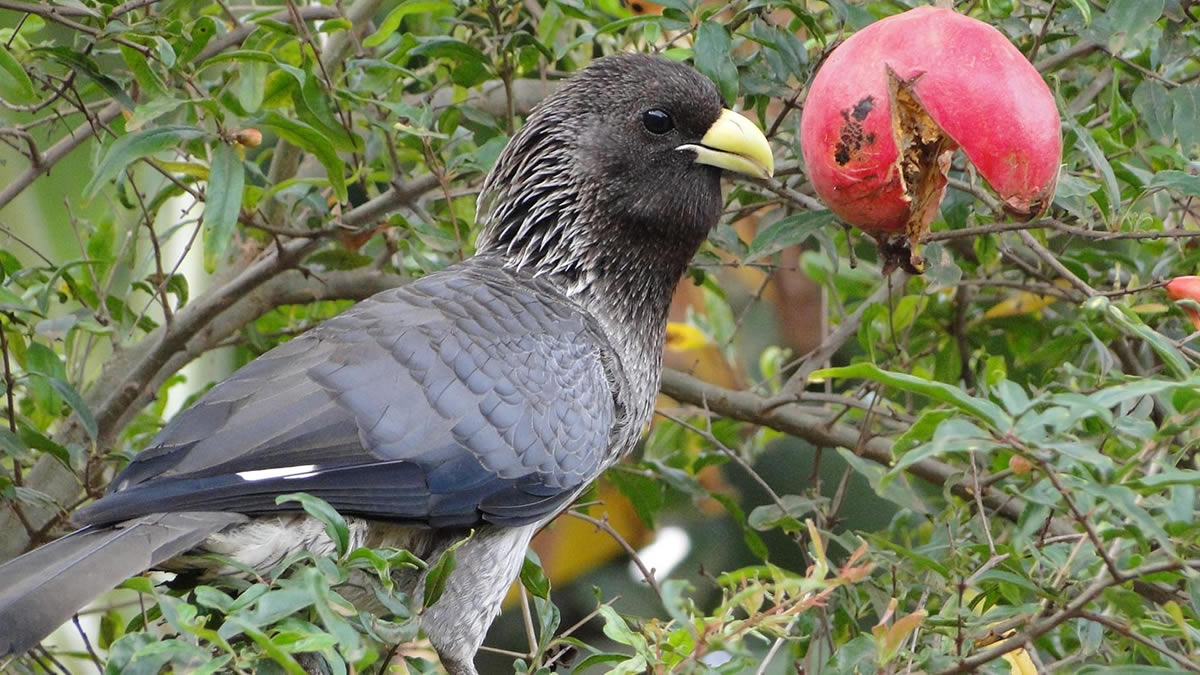
Birdlife is another highlight, with over 300 recorded species. From the majestic crowned eagle soaring above the cliffs to the delicate sunbirds hidden among the blossoms, birdwatching here is as rewarding as in any part of the park.

Beyond the gorge, Queen Elizabeth National Park offers a wealth of attractions. Game drives on the Kasenyi plains reveal lions, elephants, and Uganda kob grazing on the vast savannah. The Kazinga Channel, linking Lake Edward and Lake George, provides one of the best boat safari experiences in Africa, with enormous congregations of hippos and crocodiles. Crater lakes scattered across the park add geological intrigue, while the backdrop of the Rwenzori Mountains enhances the park’s dramatic scenery. Visiting Kyambura Gorge in combination with these attractions ensures a diverse and comprehensive safari experience.

destination ad like package to kyambura
Together We Build your dream holiday
Customize your experience
Customize

Kyambura Gorge

lodges

Where to stay on your trip to Kyambura Gorge?

Kyambura Gorge

monthly guide

General Climate

January in Kyambura Gorge is warm and dry, with plenty of sunshine and minimal rainfall. The trails are firm and easy to navigate.

This is one of the peak times for chimpanzee tracking, as visibility in the forest is excellent and wildlife tends to be more concentrated near the river.

General Climate

February continues the dry season, with high daytime temperatures but cooler evenings. Rainfall is rare, keeping conditions favorable for trekking.

It is a great month for photographers, as clear skies and bright light enhance the contrast between the lush gorge and the golden savannah above.

General Climate

March marks the start of the long rainy season, with heavier showers and humid conditions inside the gorge. Trails may become slippery.

Despite the rain, the gorge becomes vibrantly green, and birdwatchers enjoy heightened activity, with many migratory species present.

General Climate

April is typically the wettest month, with persistent rains and high humidity. Temperatures remain warm but the forest is at its lushest.

For travelers who enjoy solitude, April offers fewer crowds and a chance to experience the gorge in its most pristine, rain-nourished state.

General Climate

Rainfall remains frequent in May, though showers are often shorter and interspersed with sunshine. The gorge is still very green and full of life.

Chimpanzee tracking is possible, and the dense vegetation creates a dramatic atmosphere, ideal for nature lovers seeking raw wilderness.

General Climate

June ushers in the dry season, with cooler, drier weather and reduced humidity. Trails are easier to walk, and the gorge feels refreshing.

This is an excellent time for trekking and wildlife viewing, as animals are more predictable in their movements around water sources.

General Climate

July remains dry, with pleasant daytime temperatures and cool mornings. The forest is less dense, offering better visibility.

Travelers enjoy one of the best times for chimpanzee tracking, and the likelihood of seeing them is very high. Safari conditions across Queen Elizabeth National Park are also at their best.

General Climate

August stays dry, with comfortable temperatures and very little rainfall. The forest canopy is more open, and the gorge is easy to explore.

It is a prime month for combining chimpanzee tracking in the gorge with game drives on the Kasenyi plains, making it perfect for longer safari itineraries.

General Climate

September is still part of the dry season, though light showers may begin towards the end of the month. Temperatures remain warm.

This is one of the most reliable months for chimpanzee sightings, while bird activity remains strong, giving travelers a well-rounded safari experience.

General Climate

October signals the return of the short rains, with increased humidity and more frequent showers, though not as intense as in April.

The gorge is revitalized by the rains, creating a fresh, green landscape. It is a rewarding time for birdwatchers and those seeking fewer crowds.

General Climate

November experiences moderate rainfall, with alternating showers and sunshine. The forest is thick and buzzing with life.

This month offers beautiful, dramatic scenery and a quieter atmosphere, making it ideal for travelers who want a more personal, immersive experience.

General Climate

December is the beginning of the short dry season, with warm days, clear skies, and occasional light showers.

The festive season attracts travelers, making it a lively time to visit. Conditions are perfect for trekking, wildlife photography, and combining the gorge with other attractions in Queen Elizabeth National Park.

Grandeur

Experience the grandeur of Africa with WildHorn Africa, where every safari is designed to showcase the continent’s breathtaking landscapes and majestic wildlife.

24/7 support

Enjoy peace of mind with 24/7 support from WildHorn Africa, ensuring expert assistance before, during, and after your safari adventure.

Safety

Your safety is our top priority at WildHorn Africa, with expertly guided safaris and trusted partners ensuring a secure and worry-free adventure.

Price-quality ratio

WildHorn Africa offers exceptional price-quality ratio, delivering top-tier safari experiences at competitive rates without compromising on comfort.

Mgahinga gorilla trekking

Mgahinga gorilla trekking

By Travel guides, Uganda travel guides

Mgahinga Gorilla Trekking

Introduction

Tucked away in the far southwestern corner of Uganda, where the borders of Uganda, Rwanda, and the Democratic Republic of Congo converge, lies a small but remarkable sanctuary—Mgahinga Gorilla National Park. Though modest in size compared to its renowned neighbor, Bwindi, this park is a crown jewel of conservation and eco-tourism, offering one of the most intimate and exclusive gorilla trekking experiences in Africa.

The park’s slogan, “Where Gold Meets Silver,” captures its essence perfectly. Here, the lush slopes of the Virunga Volcanoes shelter not only the legendary mountain gorillas but also the rare and beautiful golden monkeys. This dual treasure gives Mgahinga a unique charm—an experience that combines the thrill of gorilla tracking with the allure of another endangered primate species.
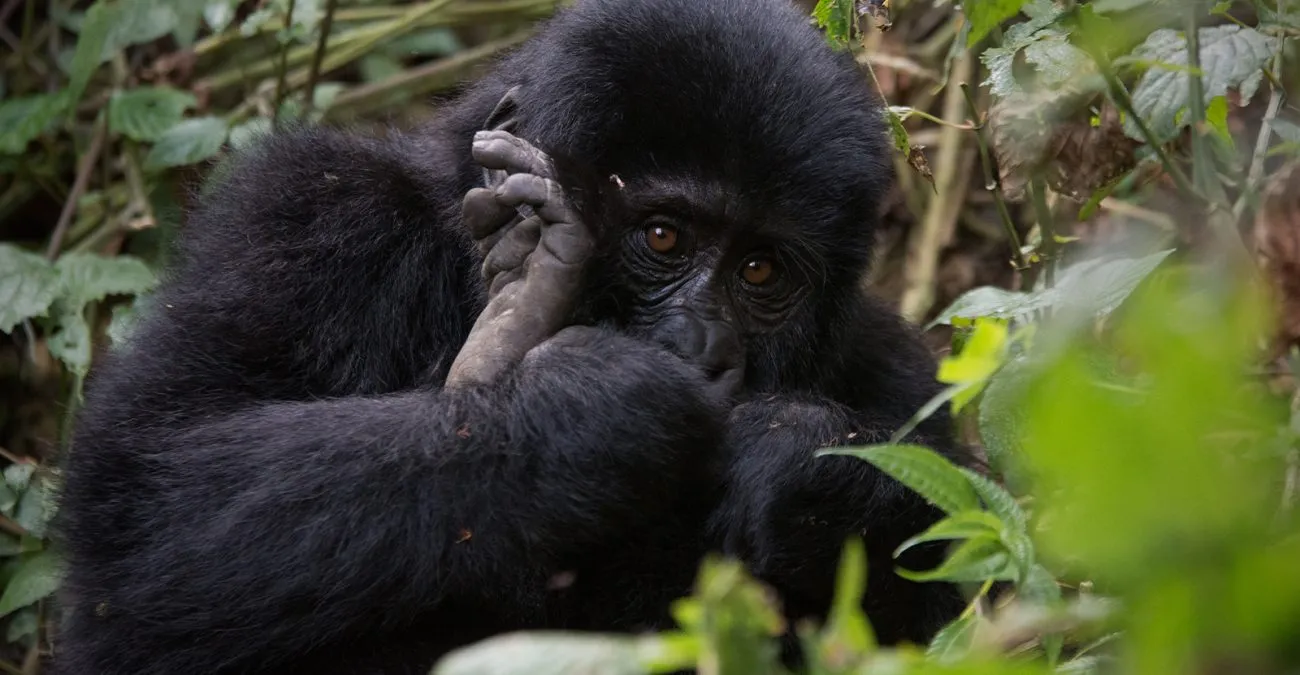
For travelers seeking a less crowded, equally magical alternative to Bwindi, Mgahinga offers a serene immersion into nature, where towering volcanic peaks, thick bamboo forests, and sweeping cloud-draped landscapes form the backdrop for one of the most extraordinary wildlife encounters on Earth.

Where to Go

Mgahinga Gorilla National Park is part of the greater Virunga Conservation Area, a transboundary ecosystem encompassing eight volcanoes across three countries. Within the Ugandan portion, the park covers only 33.7 square kilometers, yet its compact size belies its extraordinary biodiversity and breathtaking scenery.

The park’s gorilla trekking revolves around the Nyakagezi Gorilla Family, the sole habituated group in Mgahinga. Known for its calm nature and sometimes playful interactions, this family offers visitors an intimate opportunity to observe gorilla behavior without the large crowds often encountered elsewhere. The group’s home ranges include bamboo zones, montane forests, and alpine meadows, making the trek as scenic as it is rewarding.

Beyond the gorillas, the park is a gateway to the Virunga peaks—Mount Gahinga, Mount Muhabura, and Mount Sabyinyo—whose slopes and ridges dominate the horizon. Each trek begins at the Ntebeko Visitor Centre, the heart of park operations, where visitors meet their guides, receive briefings, and prepare for their adventure into the forested wilderness.

How to Get There

Reaching Mgahinga Gorilla National Park requires a journey into the scenic highlands of southwestern Uganda. By road, the park is approximately 8–10 hours from Kampala or Entebbe, with the route passing through towns such as Mbarara, Kabale, and Kisoro. The final stretch from Kisoro to the Ntebeko gate offers dramatic views of terraced hills and volcanic silhouettes, hinting at the beauty awaiting within the park.

For those seeking to minimize travel time, domestic flights from Entebbe International Airport or Kajjansi Airfield to Kisoro Airstrip provide a faster option, cutting the journey to just over an hour in the air. From the airstrip, the park is a short drive away, allowing travelers to settle into nearby lodges the same day.

The park’s location near international borders also makes it accessible from Rwanda’s Volcanoes National Park and the DR Congo’s Virunga National Park, making it a convenient addition to regional gorilla trekking itineraries. This cross-border proximity adds an element of cultural richness, as the region blends the traditions, cuisines, and languages of its neighboring countries.

The Gorilla Trekking Experience

Trekking in Mgahinga begins with an early morning gathering at the Ntebeko Visitor Centre, where Uganda Wildlife Authority rangers provide a detailed briefing on trekking etiquette, gorilla behavior, and conservation guidelines. Groups are small—often fewer than eight trekkers—ensuring a quiet, personalized experience.

The trek’s duration depends on the gorillas’ location, which changes daily as they forage across their range. It may last between one and four hours, winding through bamboo groves, montane forests, and open clearings. The higher altitude and steep volcanic slopes add a degree of challenge, but the journey is enriched by sightings of other wildlife, including forest elephants, bushbucks, and over 180 bird species.

Upon locating the Nyakagezi family, a strict one-hour viewing period begins. In this golden hour, time seems to slow. The silverback’s steady gaze conveys both power and calm, while the younger gorillas swing between bamboo stalks or tumble in mock wrestling matches. Mothers groom their infants tenderly, and soft grunts and chest beats punctuate the quiet rustle of the forest.

The intimacy of Mgahinga’s gorilla trekking comes not only from the smaller group sizes but also from the deep quiet of the forest, which allows visitors to truly absorb the moment. It is a meeting not just between species, but between two worlds—one human, one wild—bound together by shared ancestry and fragile survival.

Other Things to Do in Mgahinga

Although gorilla trekking is the park’s centerpiece, Mgahinga offers a rich menu of activities for those wishing to explore further. The park is one of the few places in the world where the golden monkey trekking experience is available, giving visitors a chance to track and observe these lively primates with their distinctive golden-orange fur and playful antics.

For hiking enthusiasts, the park’s volcanic peaks present challenging yet rewarding climbs. Ascending Mount Muhabura rewards climbers with sweeping views over the Virunga range and even glimpses of Lake Edward and the Rwenzori Mountains on clear days. Mount Sabyinyo, whose jagged summit marks the meeting point of three countries, offers a symbolic and scenic triumph for determined hikers. Mount Gahinga, with its sprawling bamboo forest, is the gentlest of the three climbs and perfect for those seeking a less strenuous adventure.

Cultural encounters also add depth to the Mgahinga experience. The Batwa Cultural Trail allows visitors to walk alongside members of the Batwa community, the forest’s original inhabitants, learning about their ancient hunter-gatherer lifestyle, medicinal plant knowledge, and spiritual traditions tied to the volcanic landscape. This experience is not staged tourism but a genuine exchange of stories, skills, and perspectives.

Best Time to Visit

Mgahinga Gorilla National Park can be visited year-round, but the dry seasons from June to September and December to February are generally preferred for trekking. During these months, the trails are less slippery, the skies are clearer, and the trekking conditions are more predictable.

The wet seasons, from March to May and October to November, bring heavier rainfall, making the terrain muddier and more challenging to navigate. However, the park is quieter during these times, offering more solitude and an even greater sense of exclusivity. The rains also transform the landscape into a vibrant tapestry of green, with blooming wildflowers and thriving vegetation providing a lush backdrop for photographs.

Regardless of the season, the park’s high-altitude climate means temperatures remain cool, and weather can change rapidly. Dressing in layers, wearing waterproof gear, and bringing sturdy trekking boots are essential for a comfortable and safe experience.

A Journey Beyond the Ordinary

Mgahinga gorilla trekking is more than an adventure—it is an immersion into one of Africa’s most remarkable landscapes, a meeting with one of the world’s most endangered species, and a reminder of the delicate balance between human activity and wildlife survival. The smaller scale of the park, the exclusivity of the Nyakagezi family, and the dramatic volcanic setting combine to create a gorilla trekking experience unlike any other.

Here, every step on the trail is part of a larger story of conservation, community empowerment, and cross-border cooperation. Every permit purchased contributes directly to protecting the gorillas, preserving their habitat, and supporting the livelihoods of the local people who share this land. For those seeking not only to see but to connect, Mgahinga offers a rare and unforgettable invitation.

For travelers ready to answer the call of the Virunga and meet the gentle giants of Mgahinga, it is highly recommended to book your Africa tours and safaris through WildHorn Africa, a trusted leader in creating responsible, immersive, and life-changing travel experiences across the continent.

Bwindi gorilla trekking

Bwindi gorilla trekking

By Travel guides, Uganda travel guides

Bwindi Gorilla Trekking

Introduction

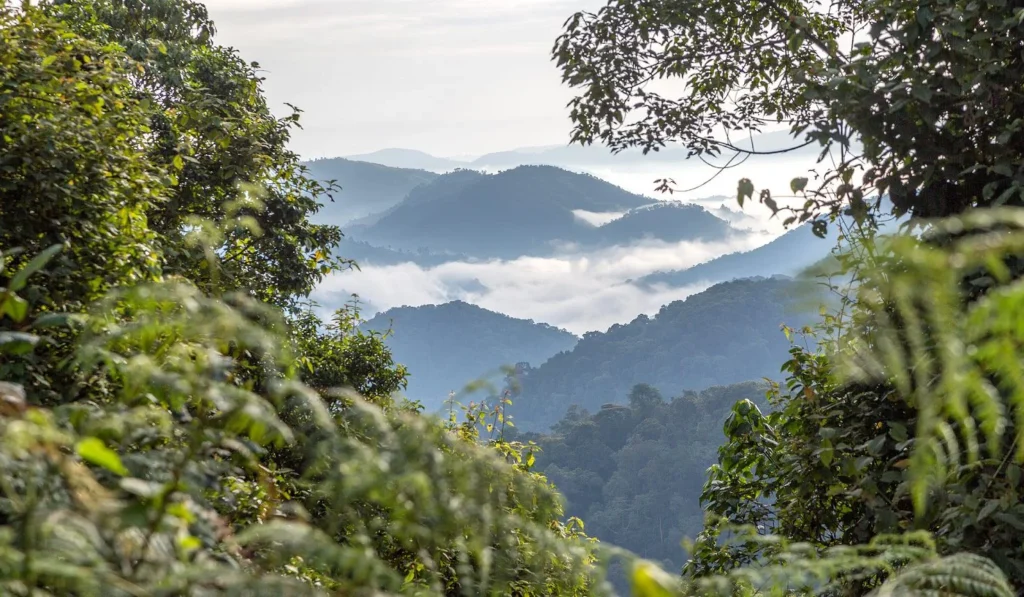
Hidden within the misty embrace of southwestern Uganda lies Bwindi Impenetrable National Park, a mystical realm where ancient forests cloak steep hills and deep valleys. This UNESCO World Heritage Site is one of the most biologically diverse landscapes on Earth, but it is most celebrated for hosting more than half of the world’s remaining mountain gorillas. Trekking here is not just a wildlife excursion—it is a profound, almost spiritual journey into the heart of one of Africa’s last untouched wildernesses. The air is rich with the scent of damp earth and foliage, and every footstep carries the thrill of knowing that at any moment, the forest may reveal its most majestic inhabitants.

Bwindi’s gorilla trekking experience has been described as life-changing by countless travelers. The sheer intimacy of standing a few meters away from a wild gorilla family, watching the silverback’s commanding presence, the mothers’ gentle care, and the infants’ playful mischief, creates a deep connection that transcends ordinary tourism. Here, conservation is not a distant concept—it is felt in every heartbeat of the jungle and in every careful step taken along its ancient trails.

Where to Go

Bwindi Impenetrable National Park covers more than 321 square kilometers of dense rainforest, bamboo stands, and montane vegetation. It is divided into four main sectors: Buhoma, Ruhija, Rushaga, and Nkuringo. Each sector offers distinct trekking routes, landscapes, and gorilla families to track, ensuring that no two experiences are exactly alike.

The Buhoma sector, located in the northern part of the park, is the original trailhead where gorilla trekking began in Uganda in 1993. It is renowned for its accessibility and its proximity to well-established lodges and cultural encounters with the Bakiga and Batwa communities. Ruhija, situated in the east, offers a quieter and more remote experience, favored by those seeking less crowded trails and spectacular birdwatching opportunities. Rushaga, in the south, boasts the highest number of habituated gorilla families, making it a popular choice for those hoping to secure a permit even during peak seasons. Nkuringo, also in the south, is known for its physically demanding treks, rewarding adventurers with panoramic views of the Virunga Volcanoes and the lush Bwindi valleys.

Each trekking location within Bwindi is carefully managed to ensure the well-being of the gorillas and the quality of the visitor experience. Only eight permits per gorilla family are issued daily, underscoring the exclusivity and conservation-minded approach of Uganda’s gorilla tourism.

How to Get There

Reaching Bwindi Impenetrable National Park is part of the adventure itself. The park lies about 8–10 hours by road from Kampala or Entebbe, with routes winding through the scenic highlands of southwestern Uganda. The journey offers glimpses of terraced hills, banana plantations, and bustling rural towns, providing a rich cultural backdrop even before arrival at the park’s gates.

Travelers seeking a faster option can opt for domestic flights from Entebbe International Airport or Kajjansi Airfield to Kihihi or Kisoro airstrips, which are located near the park’s northern and southern sectors respectively. These flights cut travel time to about 1–2 hours, offering stunning aerial views of the Albertine Rift Valley and the surrounding landscapes. From the airstrips, short road transfers lead directly to the trekking trailheads.

Whether arriving by road or air, visitors are required to report to the Uganda Wildlife Authority offices for a briefing before the trek begins. This ensures that every participant understands the trekking guidelines, the behavior expected around the gorillas, and the importance of maintaining the park’s delicate ecological balance.

The Gorilla Trekking Experience

The trek into Bwindi’s forest begins early in the morning, guided by experienced rangers and trackers who have spent years studying the movements and behaviors of the gorilla families. The trails may range from gentle slopes to steep, slippery inclines, often requiring hours of hiking through thick vegetation. The unpredictability of the trek—both in distance and terrain—adds to the sense of adventure and anticipation.

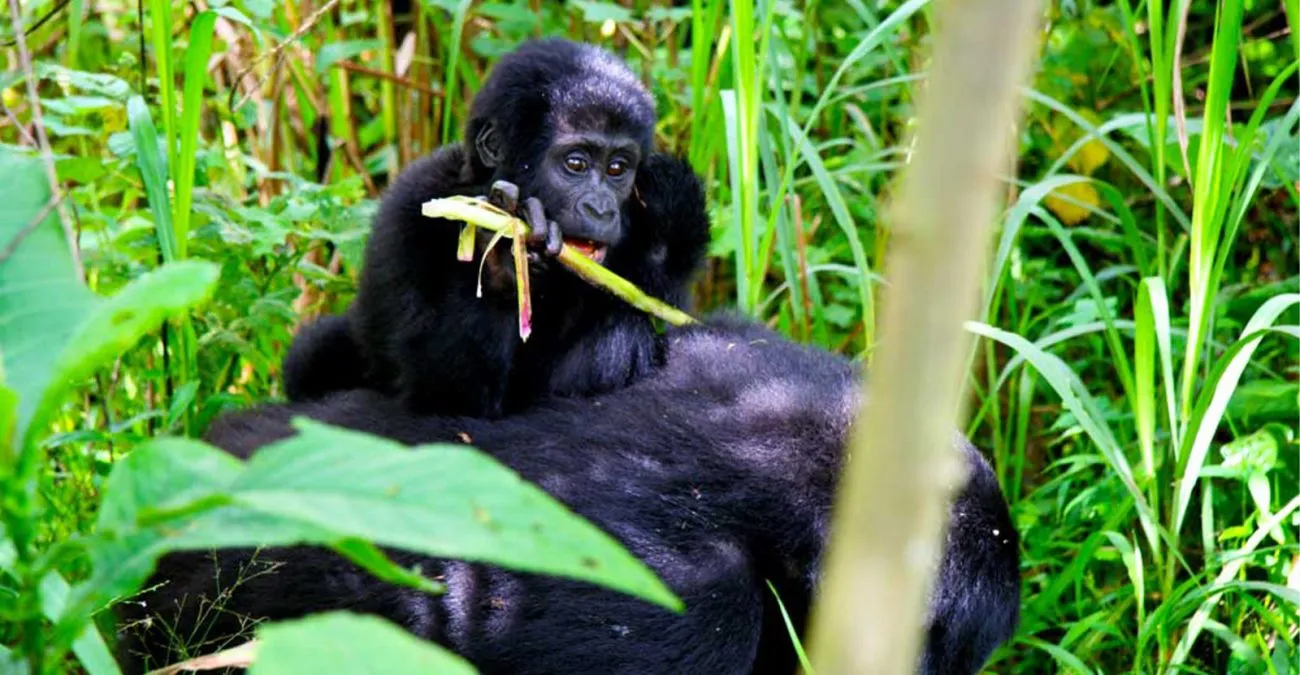
When the gorillas are finally encountered, a strict one-hour observation period begins. This rule, enforced to protect the gorillas from human-borne diseases and undue stress, transforms every moment into something precious. The silverback may sit calmly, observing the visitors with wise, deep-set eyes, while juveniles tumble playfully in the undergrowth. Infants cling to their mothers, occasionally casting curious glances toward the human guests. Every rustle of leaves, every grunt or chest beat, feels like a piece of the forest’s living heartbeat.

Gorilla trekking in Bwindi is not only a thrilling encounter but also a direct contribution to conservation. A significant portion of the permit fees goes toward the protection of the gorillas, the preservation of their habitat, and the support of surrounding communities. This integrated approach has helped increase gorilla populations and fostered a spirit of shared guardianship among local people.

Other Things to Do in Bwindi

While gorilla trekking is undoubtedly the highlight of any visit to Bwindi, the park and its surroundings offer a wealth of additional experiences. Nature walks through the forest unveil hidden waterfalls, centuries-old fig trees, and a chorus of bird calls from over 350 recorded species. Bwindi is also a sanctuary for rare primates such as the L’Hoest’s monkey and the black-and-white colobus.

Cultural encounters with the Batwa people, the forest’s original inhabitants, provide a deeper understanding of the land’s history and traditions. Visitors can learn about traditional hunting techniques, medicinal plant use, and ancient songs and dances that echo the Batwa’s intimate connection to the forest.

For those seeking panoramic vistas, guided hikes to the Nkuringo or Ruhija ridges reveal sweeping views of the Virunga Volcanoes and the shimmering expanse of Lake Edward. In the evenings, the cool mountain air and the forest’s symphony of nocturnal sounds create an atmosphere of pure serenity.

Best Time to Visit

Gorilla trekking in Bwindi is possible throughout the year, but the dry seasons, from June to September and December to February, are generally considered the best times to visit. During these months, the trails are less muddy and easier to navigate, and the weather is more predictable.

The wet seasons, occurring from March to May and October to November, present a different kind of beauty, as the forest bursts into lush, vibrant growth. Although trekking may be more challenging due to slippery trails, the reward is a quieter experience with fewer tourists and a heightened sense of intimacy with the forest.

No matter the season, Bwindi’s weather can be unpredictable due to its altitude and dense vegetation. Visitors are advised to dress in layers, carry waterproof clothing, and wear sturdy trekking boots to ensure comfort and safety throughout the adventure.

A Journey Worth Taking

Bwindi gorilla trekking is more than a wildlife experience—it is an encounter that leaves a lasting mark on the heart and mind. The sight of a silverback leading his family through the undergrowth, the gentle sounds of gorilla infants at play, and the awe of standing within arm’s reach of one of humanity’s closest relatives create a memory that defies time.

Every permit purchased, every respectful step taken in the forest, contributes to the survival of these magnificent creatures and the preservation of one of the planet’s most precious ecosystems. For travelers seeking a truly transformative adventure, few experiences rival the call of Bwindi’s misty hills and the gaze of its mountain gorillas.

For those ready to embark on this unforgettable journey, it is highly recommended to book your Africa tours and safaris through WildHorn Africa, a trusted expert in crafting immersive, responsible, and life-changing travel experiences across the continent.

When is the best time to go gorilla trekking in Uganda?

When is the best time to go gorilla trekking in Uganda?

By Travel guides, Uganda best time to visit

When is the best time to go gorilla trekking in Uganda?

The best time to go gorilla trekking in Uganda is generally considered to be during the dry seasons, which occur from June to September and from December to February. During these months, forest trails are less slippery, and visibility in the dense vegetation is improved, making the experience more comfortable and rewarding. Treks in these periods are often included in bucket list holidays, attracting travelers from around the world who wish to combine this activity with other wildlife holidays or adventure holidays. Whether arranged as private holidays, group holidays, or family holidays, the timing of the visit plays a significant role in ensuring an unforgettable encounter with the mountain gorillas.

Some travelers choose to visit during the wetter months, from March to May and October to November, when fewer visitors are in the parks. This period is sometimes favored for off the beaten holidays, birding holidays, or cultural holidays, as the lush scenery and reduced crowding create a different kind of charm. Luxury holidays during these times often involve exclusive stays in private villas & accommodations holidays, where personalized services enhance the remote atmosphere. Honeymoon holidays, solo holidays, and special holidays can be tailored to match either dry or wet season preferences, ensuring the journey aligns with personal expectations.

No matter the season chosen, gorilla trekking can be blended with other regional experiences to create a richer itinerary. Some travelers combine it with relaxing beach holidays on Lake Victoria’s islands, while others extend into Kenya or Tanzania for the dramatic wildebeest migration holidays. For photographers, photography holidays at any time of year yield remarkable images of gorillas, landscapes, and other wildlife. Primate holidays can be expanded to include chimpanzee and golden monkey tracking, ensuring that the chosen timing supports a complete and well-rounded African adventure.

When is the best time to go gorilla trekking in Uganda?

Crafting the Perfect Itinerary

The beauty of Uganda lies in its year-round accessibility, but the optimal experience depends on aligning interests with seasonal nuances. For wildlife lovers, the dry months of June through August and December through February are ideal. Those captivated by color, solitude, and renewal may find March to May and October to November more rewarding. Each region of Uganda carries its own rhythm and character, making it essential to balance one’s journey across forests, savannahs, highlands, and lakes.

For travelers seeking to transform these recommendations into a tailor-made adventure, it is strongly encouraged to book Africa tours and safaris through WildHorn Africa, a trusted expert in curating immersive, seamless, and unforgettable experiences across Uganda and beyond. With WildHorn Africa, every month becomes the perfect time to explore, connect, and rediscover the wonders of travel through the eyes of a land that never ceases to amaze.

The best time to visit is generally considered to be during the dry season, when weather conditions are more pleasant and travel is less likely to be disrupted, typically based on your preferred destinations. During this period, landscapes are at their most vibrant, wildlife sightings are more frequent, and activities can be enjoyed with greater ease. While visits are possible year-round, choosing this window is often recommended to ensure the most rewarding and comfortable experience.

WhatsApp

Grandeur

Experience the grandeur of Africa with WildHorn Africa, where every safari is designed to showcase the continent’s breathtaking landscapes and majestic wildlife.

24/7 support

Enjoy peace of mind with 24/7 support from WildHorn Africa, ensuring expert assistance before, during, and after your safari adventure.

Safety

Your safety is our top priority at WildHorn Africa, with expertly guided safaris and trusted partners ensuring a secure and worry-free adventure.

Price-quality ratio

WildHorn Africa offers exceptional price-quality ratio, delivering top-tier safari experiences at competitive rates without compromising on comfort.

Where to stay on your gorilla trekking in Uganda?

Where to stay on your gorilla trekking in Uganda?

By Travel guides, Uganda travel guides

Where to stay on your gorilla trekking in Uganda?

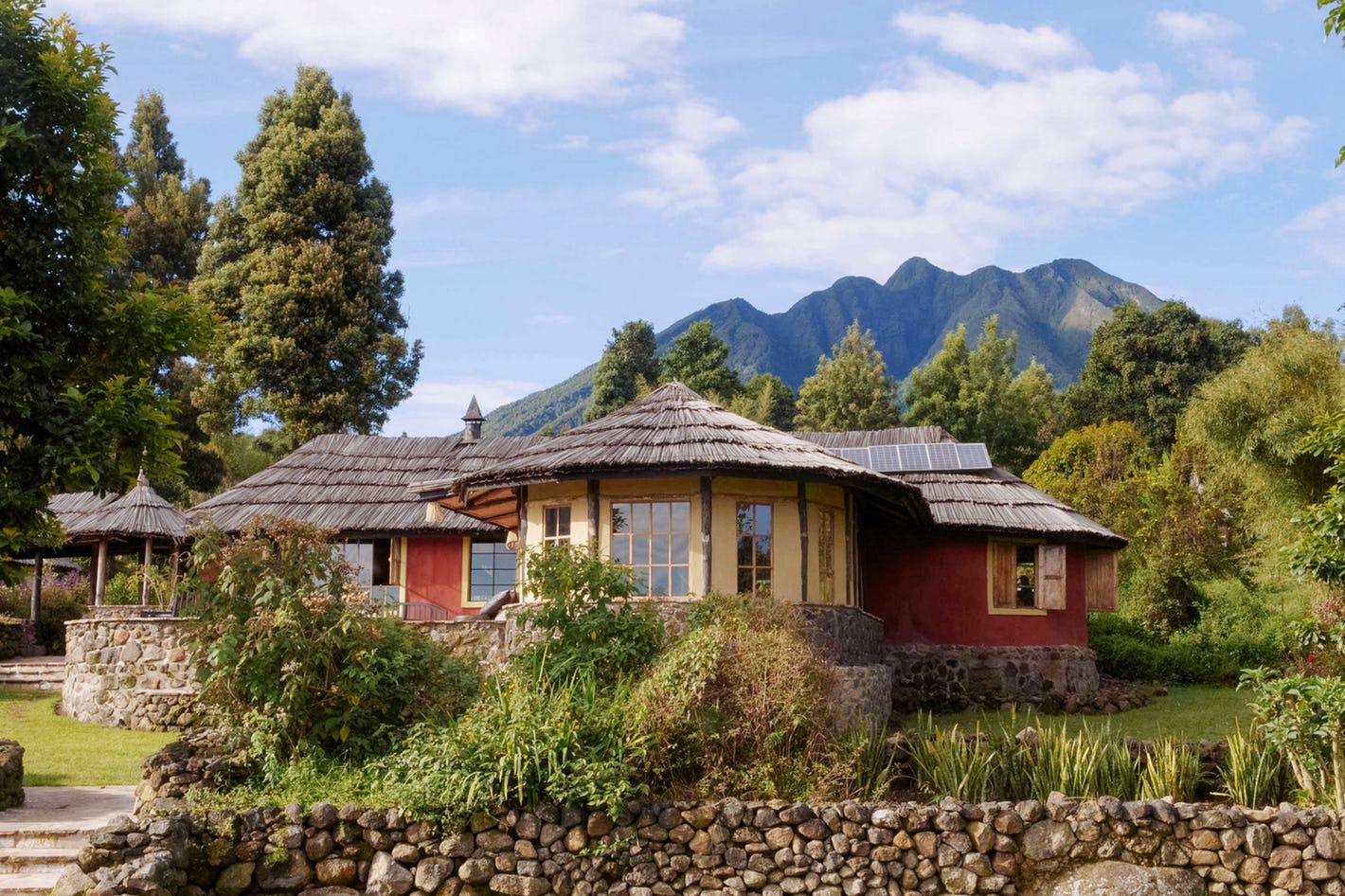
Accommodation for gorilla trekking in Uganda is provided in a range of styles, ensuring that every type of traveler finds a suitable place to stay. Lodges and camps in Bwindi Impenetrable National Park and Mgahinga Gorilla National Park are often selected as part of bucket list holidays, offering direct access to the trekking starting points. Many are included in curated adventure holidays or wildlife holidays, where proximity to the forest enhances the experience. Whether booked as private holidays, group holidays, or family holidays, these stays are positioned to blend comfort with the excitement of exploring the gorilla habitats.

From eco-lodges surrounded by dense forest to opulent retreats, options are available for every preference. Luxury holidays often feature elegant tented camps or private villas & accommodations holidays, providing exclusivity and personalized service. Travelers choosing cultural holidays, birding holidays, or climbing & hiking holidays frequently select lodges that also allow easy access to other attractions in the region. For those seeking remote seclusion, off the beaten holidays offer intimate stays far from crowds, while honeymoon holidays, solo holidays, and special holidays can be designed with privacy, romance, or personal milestones in mind.

While gorilla trekking remains the central focus, many accommodations are chosen to complement other activities. Some travelers combine their stay with serene beach holidays on Lake Victoria or continue on to neighboring countries for the dramatic wildebeest migration holidays. Photographers on photography holidays often prefer lodges with panoramic views of forested hills, while primate holidays may involve multiple nights near areas known for chimpanzee and golden monkey tracking. However the itinerary is arranged, the choice of where to stay during gorilla trekking in Uganda plays a vital role in shaping a journey that is both memorable and deeply connected to Africa’s wild beauty.
The best time to visit is generally considered to be during the dry season, when weather conditions are more pleasant and travel is less likely to be disrupted, typically based on your preferred destinations. During this period, landscapes are at their most vibrant, wildlife sightings are more frequent, and activities can be enjoyed with greater ease. While visits are possible year-round, choosing this window is often recommended to ensure the most rewarding and comfortable experience.

WhatsApp

Grandeur

Experience the grandeur of Africa with WildHorn Africa, where every safari is designed to showcase the continent’s breathtaking landscapes and majestic wildlife.

24/7 support

Enjoy peace of mind with 24/7 support from WildHorn Africa, ensuring expert assistance before, during, and after your safari adventure.

Safety

Your safety is our top priority at WildHorn Africa, with expertly guided safaris and trusted partners ensuring a secure and worry-free adventure.

Price-quality ratio

WildHorn Africa offers exceptional price-quality ratio, delivering top-tier safari experiences at competitive rates without compromising on comfort.

Where to go to gorilla trekking in Uganda

Where to go to gorilla trekking in Uganda?

By Travel guides, Uganda travel guides

Where to go to gorilla trekking in Uganda?

Where to go to gorilla trekking in Uganda?

In Uganda, gorilla trekking is carried out in two remarkable destinationsBwindi Impenetrable National Park and Mgahinga Gorilla National Park — both found in the country’s scenic southwestern highlands. These pristine rainforests have been placed among the world’s most coveted bucket list holidays, drawing visitors from across the globe to witness endangered mountain gorillas in their natural habitat. The experience is often incorporated into adventure holidays or wildlife holidays, offering travelers the chance to combine the thrill of trekking with the beauty of Uganda’s landscapes. Whether arranged as private holidays, group holidays, or family holidays, the journey delivers rare encounters and unforgettable memories.

The regions where gorilla trekking is undertaken also provide opportunities to weave in other forms of travel. Many itineraries are designed to combine the trek with cultural holidays in nearby communities, birding holidays in Uganda’s rich avian habitats, or climbing & hiking holidays in the Rwenzori or Virunga ranges. For those seeking extra comfort, luxury holidays and private villas & accommodations holidays offer refined stays, while more adventurous travelers may opt for off the beaten holidays into remote, unspoiled corners of the country. The allure extends to honeymoon holidays, solo holidays, and special holidays, ensuring that each journey is tailored to the traveler’s style and occasion.

Though famous for gorillas, Uganda’s trekking destinations are often paired with other African adventures. Some visitors choose beach holidays along Lake Victoria’s tranquil islands before or after their trek, while others extend their travels to neighboring countries for the legendary wildebeest migration holidays. Photographers are drawn to the region for photography holidays, capturing the drama of wildlife and the lush forest scenery, while primate holidays expand the experience to include chimpanzee and golden monkey tracking. No matter how it is planned, the places chosen for gorilla trekking in Uganda remain at the heart of Africa’s most memorable and transformative travel experiences.

Where to go to gorilla trekking in Uganda?

Bwindi Impenetrable National Park

Nestled in the southwestern corner of Uganda, Bwindi Impenetrable National Park is one of Africa’s most biologically diverse rainforests and a UNESCO World Heritage Site. Famed for being home to almost half of the world’s remaining mountain gorilla population, Bwindi offers an unforgettable experience for nature lovers, adventure seekers, and wildlife enthusiasts.

Mgahinga Gorilla National Park

Tucked away in the southwestern corner of Uganda, Mgahinga Gorilla National Park is a hidden gem for travelers seeking a more intimate and scenic mountain gorilla trekking experience. Although smaller and lesser-known than its neighbor Bwindi, Mgahinga holds its own with its dramatic volcanic landscapes, cultural richness, and unique wildlife encounters.

The best time to visit is generally considered to be during the dry season, when weather conditions are more pleasant and travel is less likely to be disrupted, typically based on your preferred destinations. During this period, landscapes are at their most vibrant, wildlife sightings are more frequent, and activities can be enjoyed with greater ease. While visits are possible year-round, choosing this window is often recommended to ensure the most rewarding and comfortable experience.

WhatsApp

Grandeur

Experience the grandeur of Africa with WildHorn Africa, where every safari is designed to showcase the continent’s breathtaking landscapes and majestic wildlife.

24/7 support

Enjoy peace of mind with 24/7 support from WildHorn Africa, ensuring expert assistance before, during, and after your safari adventure.

Safety

Your safety is our top priority at WildHorn Africa, with expertly guided safaris and trusted partners ensuring a secure and worry-free adventure.

Price-quality ratio

WildHorn Africa offers exceptional price-quality ratio, delivering top-tier safari experiences at competitive rates without compromising on comfort.

Uganda Gorilla trekking safaris

Uganda Gorilla trekking safaris

By Travel guides, Uganda travel guides

Uganda gorilla trekking safaris are regarded as one of the most iconic bucket list holidays, offering travelers the rare privilege of observing endangered mountain gorillas in their natural habitat. Conducted in the lush rainforests of Bwindi Impenetrable and Mgahinga National Parks, these treks are often combined with other wildlife holidays that reveal Uganda’s rich biodiversity. Many journeys are designed as primate holidays, where chimpanzee tracking and monkey encounters complement the gorilla experience, while tailored itineraries can be arranged as private holidays or group holidays, ensuring that every traveler’s preference is met.

These safaris can be woven into broader adventure holidays or off the beaten holidays, where remote landscapes, cultural encounters, and diverse ecosystems are explored. Travelers seeking variety often combine gorilla trekking with birding holidays, cultural holidays, or even climbing & hiking holidays on the Rwenzori Mountains. For those desiring elevated comfort, bespoke journeys are offered as luxury holidays, often paired with stays in private villas & accommodations holidays. Families can enjoy specially crafted family holidays, while couples often choose these safaris as honeymoon holidays, appreciating both the romance and the sense of shared discovery.

While Uganda is not widely known for beach holidays, its proximity to serene lakeshores allows for restful interludes before or after the trek. Many travelers extend their itineraries into neighboring destinations for experiences like the wildebeest migration holidays, or enhance their journey with photography holidays that capture both wildlife and scenery in dramatic light. These adventures can be tailored as solo holidays for independent explorers or curated as special holidays for significant occasions, ensuring that Uganda gorilla trekking safaris remain among the most memorable and meaningful travel experiences in Africa.

Gorilla habituation in Uganda

Gorilla habituation in Uganda

By Travel guides, Uganda travel guides

Gorilla habituation in Uganda 

In the heart of East Africa lies a land of misty mountains, ancient rainforests, and one of the most intimate wildlife experiences in the world — gorilla habituation. Few moments in nature can rival the breathtaking encounter of sitting only meters away from a family of wild mountain gorillas, watching them feed, groom, and interact with one another. In Uganda, this experience goes beyond mere observation; it is a rare opportunity to witness the delicate process of habituation, where gorillas are gradually accustomed to human presence without losing their natural behavior.

Unlike standard gorilla trekking, which offers a single hour with these endangered primates, gorilla habituation allows up to four precious hours in their company, creating an unparalleled immersion into their world. Conducted under the guidance of experienced researchers and rangers, this experience offers not only a closer view but also a deeper understanding of their behavior, social structure, and conservation needs. For wildlife enthusiasts, conservationists, and adventure travelers alike, this is the pinnacle of eco-tourism in Africa.

Where to Go

Gorilla habituation in Uganda takes place in Bwindi Impenetrable National Park, a UNESCO World Heritage Site renowned for its rich biodiversity and thick tropical rainforest. This pristine wilderness is home to nearly half of the world’s remaining mountain gorillas, making it a stronghold for their survival.

The habituation experience is available exclusively in the park’s Rushaga sector, located in the southern part of Bwindi. Here, specially selected gorilla families are slowly introduced to human presence through a careful, years-long process. The setting is nothing short of magical — towering trees draped in vines, tangled undergrowth teeming with birdlife, and mist lingering in the valleys.

Bwindi is more than just a home for gorillas. It is a living, breathing ecosystem, sheltering over 120 species of mammals, more than 350 bird species, and countless butterflies, orchids, and medicinal plants. The richness of this environment not only supports gorilla life but also offers travelers a chance to immerse themselves in one of Africa’s most diverse habitats.

How to Get There

Reaching Bwindi Impenetrable National Park is part of the adventure. The journey typically begins in Entebbe or Kampala, where international travelers land before embarking on either a scenic road trip or a short domestic flight. By road, the trip takes approximately 8 to 10 hours, winding through Uganda’s rolling hills, rural villages, and lush countryside. Though long, the drive offers a vivid glimpse into Uganda’s rural life and landscapes.

Alternatively, travelers may opt for a domestic flight from Entebbe or Kajjansi to Kisoro or Kihihi Airstrip, which are within a few hours’ drive of Bwindi’s southern sector. This option not only saves time but also provides spectacular aerial views of Uganda’s dramatic terrain.

From the nearest towns, visitors are transported into the heart of the park via narrow, winding roads surrounded by thick jungle. The approach itself builds anticipation, with every turn bringing the forest closer until its ancient canopy finally towers above.

The Habituation Experience

The day of a gorilla habituation trek begins early, often before dawn, with a briefing by Uganda Wildlife Authority rangers. Participants are reminded of strict conservation protocols to ensure both their safety and the wellbeing of the gorillas. The trek itself can be physically demanding, lasting several hours and involving steep climbs, slippery trails, and dense vegetation. However, every step deep into the forest brings a heightened sense of wonder.

Upon finding the gorilla group, the clock for the four-hour experience begins. Unlike in standard trekking, where observers remain mostly passive, habituation allows for a more interactive form of observation. Researchers and trackers share real-time insights, identifying individuals, explaining behaviors, and describing the challenges of integrating human presence without disturbing natural routines.

It is not unusual to see young gorillas playing in the branches, mothers gently cradling their infants, or a dominant silverback maintaining watchful order over the group. Every gesture, sound, and interaction is a glimpse into a complex, deeply social species whose survival depends largely on continued protection and understanding.

Other Things to Do

While gorilla habituation is undoubtedly the highlight of a visit to Bwindi, the region offers a wealth of other experiences. Cultural encounters with the Batwa pygmies, the indigenous forest people, reveal a rich history of survival in these dense jungles. Guided village walks allow travelers to witness traditional farming methods, craft-making, and music performances.

Nature lovers can explore Bwindi’s network of forest trails, where birdwatching is a delight thanks to the park’s incredible avian diversity, including rare species like the African green broadbill. For those with energy to spare, hikes to waterfalls, hilltop viewpoints, and tea plantations add further depth to the journey.

Nearby attractions such as Lake Bunyonyi, famous for its scenic islands and calm waters, provide a serene retreat after the intensity of trekking. Combining gorilla habituation with a wider exploration of southwestern Uganda creates a perfectly balanced adventure, blending wildlife encounters with cultural and natural beauty.

Best Time to Visit

Uganda’s equatorial climate makes gorilla habituation possible year-round, but certain periods are more favorable. The dry seasons, from June to September and December to February, are generally considered the best times to visit, as trails are less slippery and trekking conditions are easier. The wet seasons (March to May and October to November) bring heavier rainfall, making the forest muddier, but they also offer lush scenery, fewer tourists, and a more intimate atmosphere in the park.

Since habituation permits are limited and in high demand, securing them well in advance is crucial, especially during peak months. The exclusivity of the experience — with only a handful of visitors allowed daily — ensures a level of intimacy that is increasingly rare in wildlife tourism.

A Trek That Transforms

Beyond the thrill of the encounter, gorilla habituation plays a vital role in conservation. By slowly introducing gorillas to human presence, researchers make it possible for these animals to be monitored for health, safety, and population growth. Habituated groups also generate substantial tourism revenue, which supports local communities and funds conservation projects.

This careful balance between tourism and preservation ensures that mountain gorillas remain one of Africa’s great success stories in wildlife protection. Uganda’s model demonstrates how responsible eco-tourism can both protect a species and improve human livelihoods.

Travel with Confidence

Gorilla habituation in Uganda is more than a wildlife activity — it is a journey into the very soul of the African rainforest. It is about patience, respect, and the privilege of sharing space with one of the planet’s most majestic and endangered creatures. The extended hours with the gorillas, the deep learning from expert trackers, and the raw beauty of Bwindi’s forest make it an unforgettable adventure.

For travelers seeking more than a fleeting glimpse — for those who wish to connect, to understand, and to contribute to conservation — gorilla habituation offers an unmatched experience. It is a reminder that the greatest treasures in nature are not just seen, but felt deeply and remembered for a lifetime.

Book your African safari and gorilla habituation experience with WildHorn Africa, where expert planning, ethical travel, and unforgettable adventures come together to create the trip of a lifetime.

Together We Build your dream holiday
Customize your experience
Customize

Bwindi gorilla trekking

Hidden within the misty embrace of southwestern Uganda lies Bwindi Impenetrable National Park, a mystical realm where

Mgahinga gorilla trekking

Mgahinga Gorilla National Park. Though modest in size compared to its renowned neighbor, Bwindi, this park is a crown jewel of conservation

Grandeur

Experience the grandeur of Africa with WildHorn Africa, where every safari is designed to showcase the continent’s breathtaking landscapes and majestic wildlife.

24/7 support

Enjoy peace of mind with 24/7 support from WildHorn Africa, ensuring expert assistance before, during, and after your safari adventure.

Safety

Your safety is our top priority at WildHorn Africa, with expertly guided safaris and trusted partners ensuring a secure and worry-free adventure.

Price-quality ratio

WildHorn Africa offers exceptional price-quality ratio, delivering top-tier safari experiences at competitive rates without compromising on comfort.

Safari Lodges and Camps in Murchison Falls National Park

Safari Lodges and Camps in Murchison Falls National Park

By Travel guides, Uganda travel guides

Safari Lodges and Camps in Murchison Falls National Park

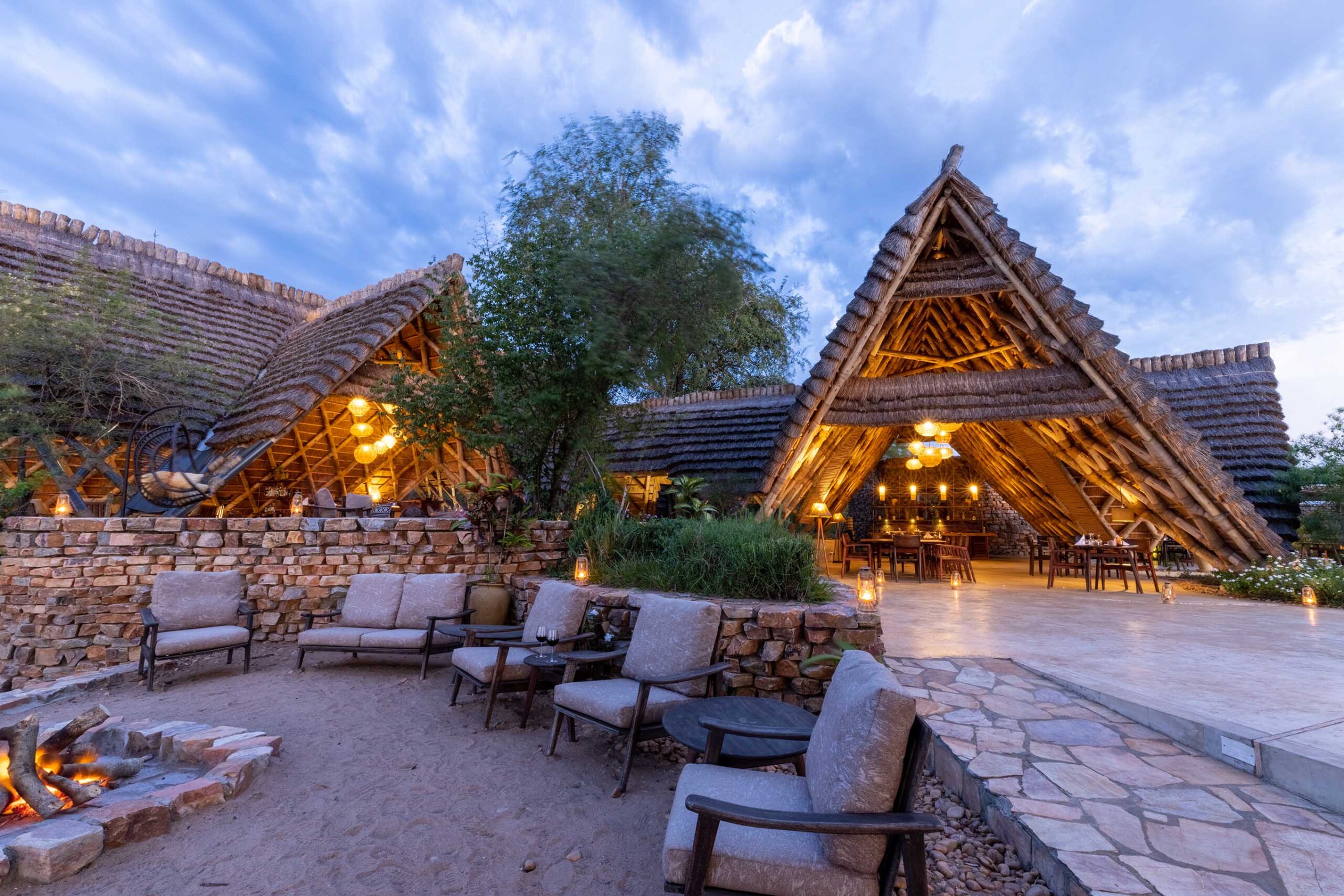
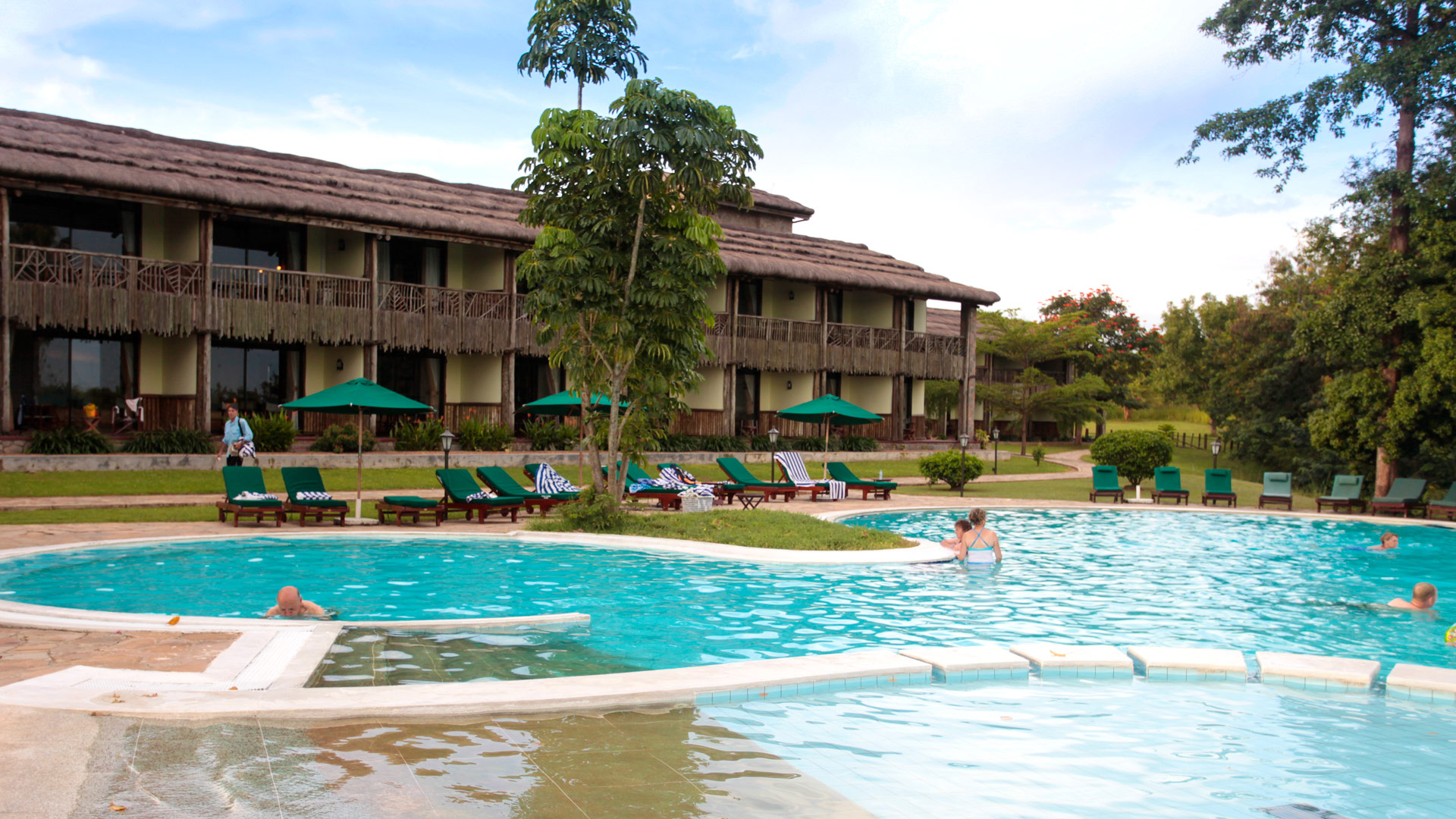
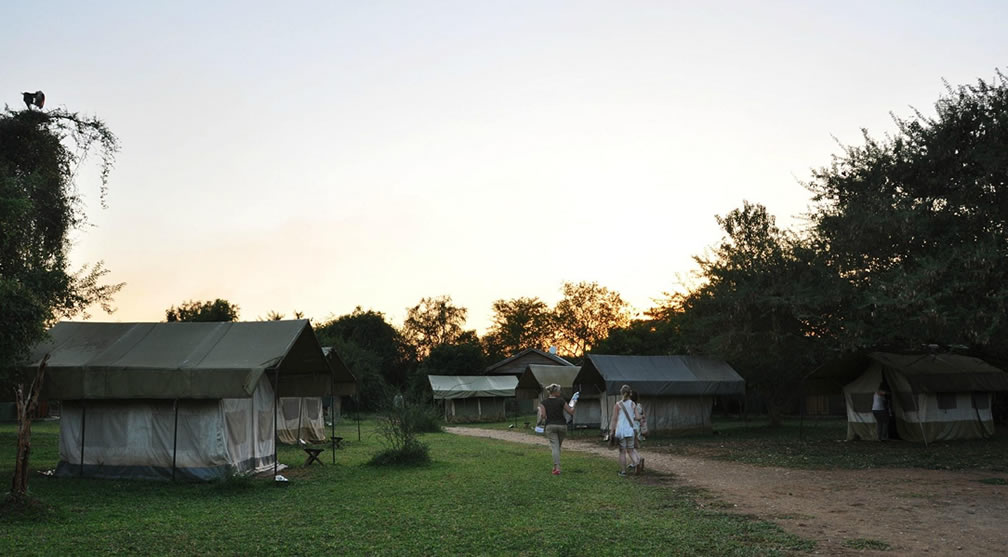
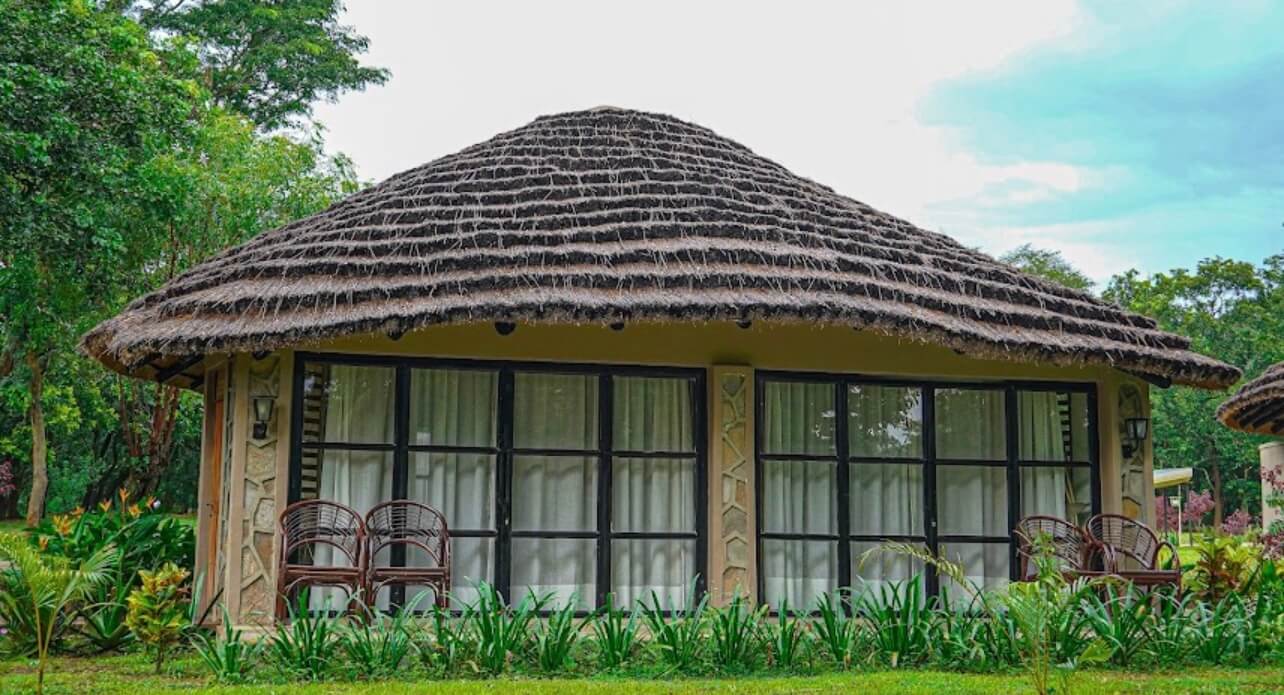
Safari lodges and camps in Murchison Falls National Park are known for offering a diverse range of experiences tailored to various types of holidays. Adventure holidays and wildlife holidays are especially popular due to the park’s abundant animal populations and dramatic landscapes. Birding holidays are also frequently pursued here, as the park supports over 450 species of birds, making it a prime destination for birdwatchers. Many visitors include Murchison Falls on their bucket list holidays, drawn by the promise of witnessing the powerful cascade of the Nile and encountering rare wildlife in an unspoiled environment.

Accommodations within the park cater to different preferences and group sizes, ensuring that family holidays, group holidays, and honeymoon holidays are all comfortably supported. Luxury holidays and private holidays are facilitated by exclusive lodges and private villas & accommodations, which provide privacy and high-end amenities. Off the beaten holidays and solo holidays are equally accommodated, with camps and lodges offering tranquil settings away from the crowds. Additionally, cultural holidays can be enriched through community visits arranged by many safari operators, adding depth to the overall experience.

Various specialized holidays are also promoted within the park’s lodges and camps. Photography holidays are encouraged by the stunning scenery and abundant wildlife, while primate holidays attract visitors eager to track chimpanzees and other primates in nearby forests. Climbing & hiking holidays are possible in designated areas, offering active travelers a chance to explore the terrain on foot. Though the wildebeest migration holidays are more famously associated with other regions, Murchison Falls occasionally experiences its own wildlife movements, enhancing the dynamic safari experience for all types of visitors.

luxury

Safari Lodges and Camps in Murchison Falls National Park

mid-range

Safari Lodges and Camps in Murchison Falls National Park

budget

Safari Lodges and Camps in Murchison Falls National Park

Grandeur

Experience the grandeur of Africa with WildHorn Africa, where every safari is designed to showcase the continent’s breathtaking landscapes and majestic wildlife.

24/7 support

Enjoy peace of mind with 24/7 support from WildHorn Africa, ensuring expert assistance before, during, and after your safari adventure.

Safety

Your safety is our top priority at WildHorn Africa, with expertly guided safaris and trusted partners ensuring a secure and worry-free adventure.

Price-quality ratio

WildHorn Africa offers exceptional price-quality ratio, delivering top-tier safari experiences at competitive rates without compromising on comfort.

Close Menu