search
Uganda Wildlife holidays

Uganda Wildlife holidays

By Uganda travel guides

Uganda Wildlife holidays

There are few places on Earth where nature still breathes with such purity, rhythm, and intensity as it does in Uganda. A country where emerald forests cradle mountain gorillas, golden savannahs stretch beyond the horizon, and mighty rivers roar through dramatic gorges, Uganda remains one of Africa’s last great wilderness frontiers. Uganda Wildlife Holidays are not simply safaris—they are journeys into the soul of a continent still untamed, where every encounter tells a story older than time.

read more

Uganda Wildlife Holidays

Introduction & Overview

There are few places on Earth where nature still breathes with such purity, rhythm, and intensity as it does in Uganda. A country where emerald forests cradle mountain gorillas, golden savannahs stretch beyond the horizon, and mighty rivers roar through dramatic gorges, Uganda remains one of Africa’s last great wilderness frontiers. Uganda Wildlife Holidays are not simply safaris—they are journeys into the soul of a continent still untamed, where every encounter tells a story older than time.

Often called the “Pearl of Africa”, Uganda is blessed with extraordinary biodiversity. Within its borders lies a concentration of wildlife that rivals any destination on the continent. From the dense rainforests of Bwindi to the expansive plains of Queen Elizabeth and the remote valleys of Kidepo, Uganda offers an unmatched diversity of habitats and species. It is a land where tree-climbing lions, elephants, and hippos share territory with chimpanzees, shoebill storks, and mountain gorillas.

What distinguishes Uganda from other African destinations is its raw authenticity. Here, wildlife thrives without the crowds, and safaris feel intimate, personal, and deeply rewarding. Travelers are drawn not just by the promise of sighting the Big Five—lion, leopard, elephant, buffalo, and rhino—but by the chance to witness rare primates, interact with local communities, and explore landscapes of profound natural drama.

A Uganda Wildlife Holiday is a symphony of sensations. The distant rumble of thunder over Lake Albert, the rustle of leaves before a silverback emerges from the mist, the call of an African fish eagle echoing across the Nile—each moment is an immersion in the pulse of life. It is a reminder that the wild is not a spectacle to be observed but a living, breathing entity to be felt.

Who It’s For

Uganda Wildlife Holidays are crafted for those who crave authenticity, adventure, and connection. These journeys attract travelers who see beyond luxury and seek meaningful encounters with nature in its purest form. They are for those who wish to step off the beaten path, into places where silence speaks and every landscape holds a secret.

For wildlife enthusiasts, Uganda is a dream realized. With more than 1,000 bird species, 345 mammal species, and countless reptiles and amphibians, the country is a paradise for anyone who thrives in the presence of biodiversity. Birders are drawn by the rare shoebill stork, the Great Blue Turaco, and the vibrancy of Albertine Rift endemics, while mammal lovers find their passions awakened by gorilla families in Bwindi, chimpanzee troops in Kibale, and lions prowling through the Ishasha plains.

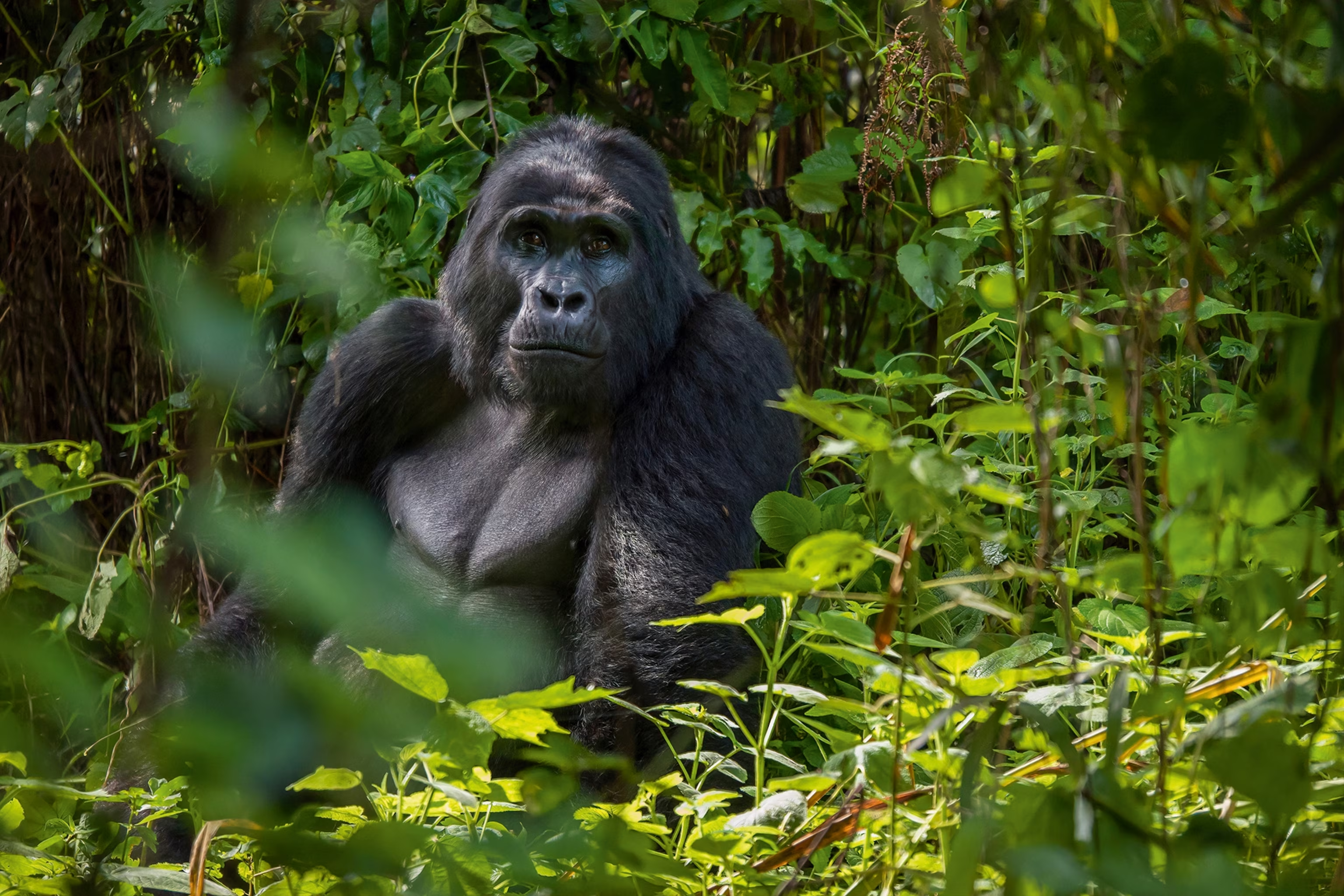
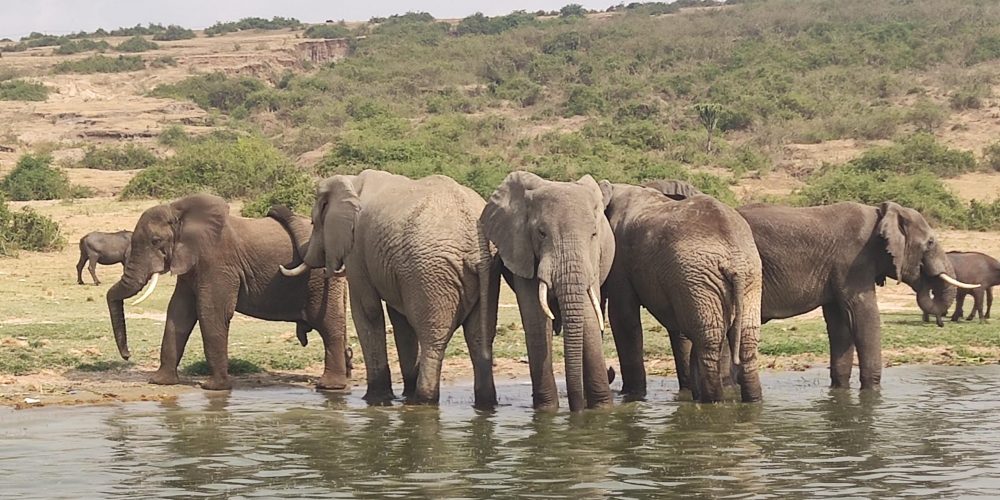
Photographers find Uganda irresistible for its cinematic light, unspoiled settings, and the intimate proximity it allows with wildlife. Whether capturing the shimmer of Murchison Falls, the gaze of a silverback, or elephants bathing in the Kazinga Channel, Uganda offers moments that stay imprinted in the lens—and the heart.

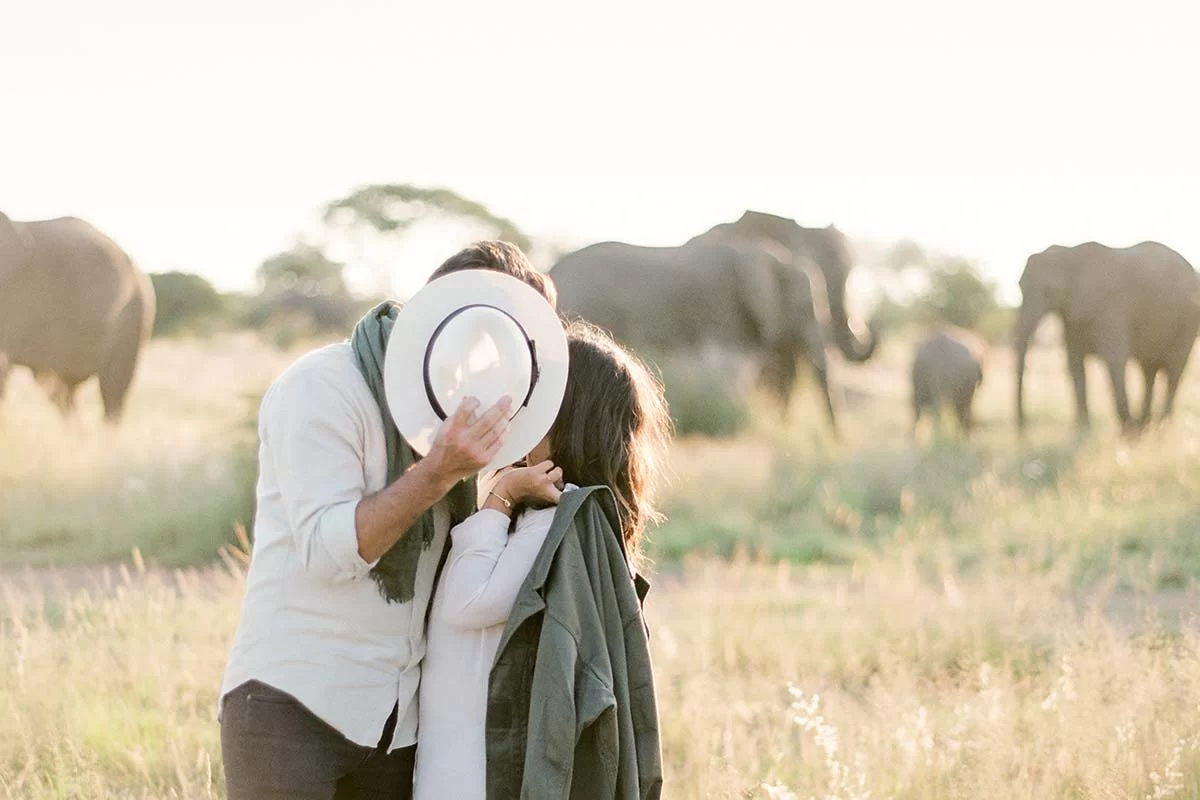
For families, Uganda provides an educational journey like no other. It teaches respect for nature, the importance of conservation, and the wonder of discovering animals in their true habitats. For honeymooners, it is a blend of wild romance and soulful adventure—where luxury lodges overlook river sunsets and forest villas sit beneath canopies alive with song.

Uganda Wildlife Holidays also appeal to conservation-minded travelers. Many of Uganda’s reserves and lodges operate under eco-tourism principles, ensuring that every visit contributes to local communities and wildlife preservation. These travelers understand that to witness the wild is a privilege—and that responsible tourism ensures its continuity.

Ultimately, these holidays are for anyone who wishes to feel Africa rather than simply see it, to walk among giants, to sit in silence as gorillas feed, to follow a leopard’s footprints through dew-soaked grass, and to know what it means to be alive in the wild.

Key Features & Experiences

Uganda’s wildlife experiences are among the richest and most varied in Africa. From mountain jungles to riverine forests, from crater lakes to arid plains, every corner of the country offers a new kind of wonder. A Uganda Wildlife Holiday is not confined to one setting—it is an odyssey across ecosystems, each more astonishing than the last.

Gorilla Trekking – The Crown Jewel of Africa

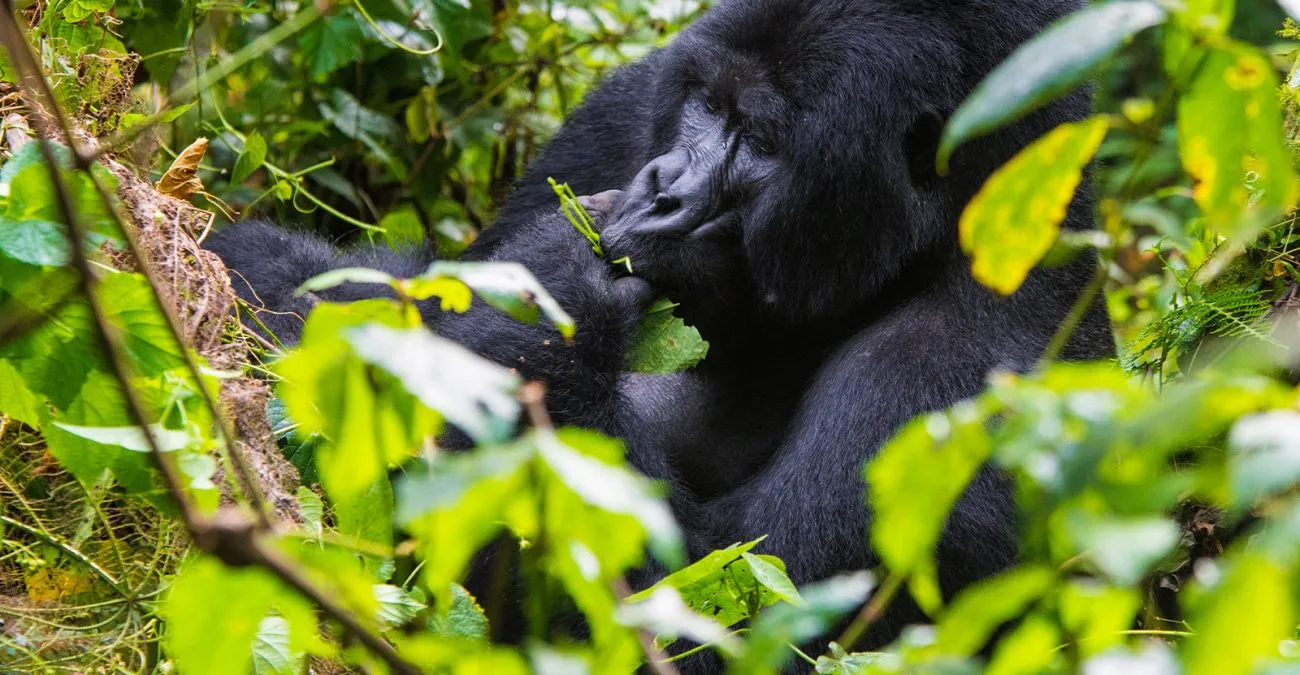
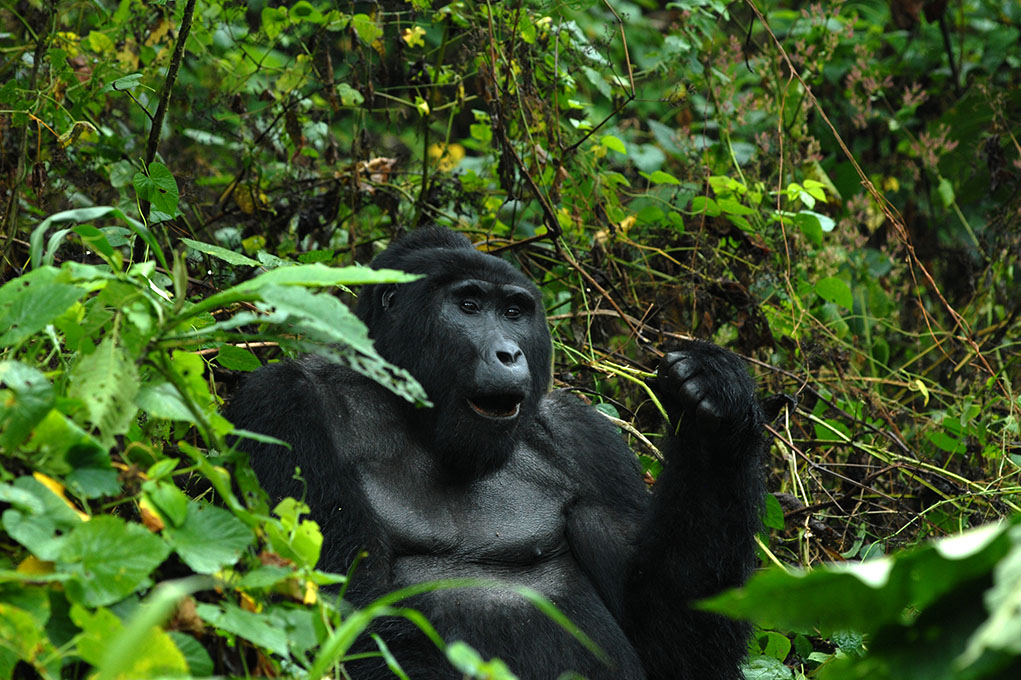
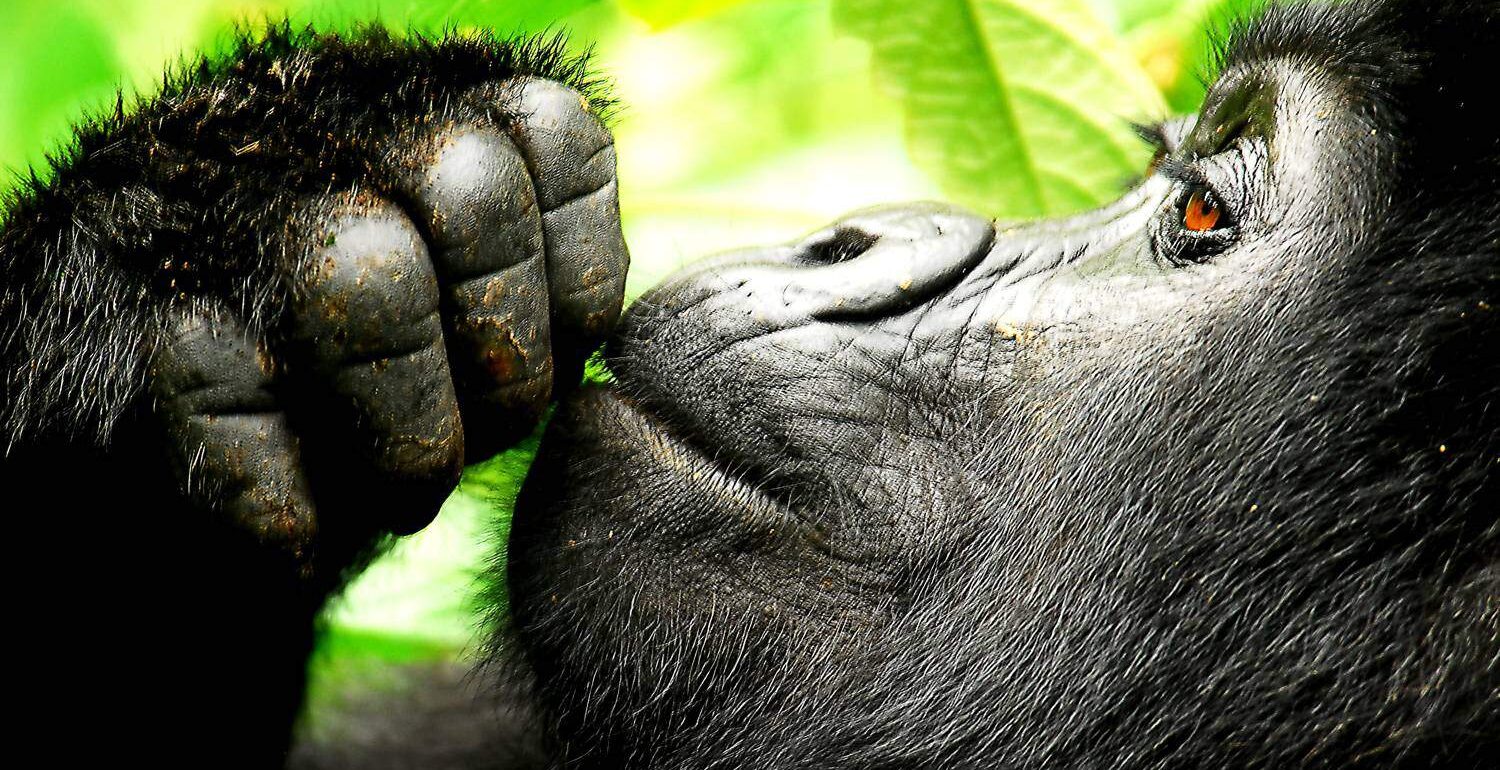
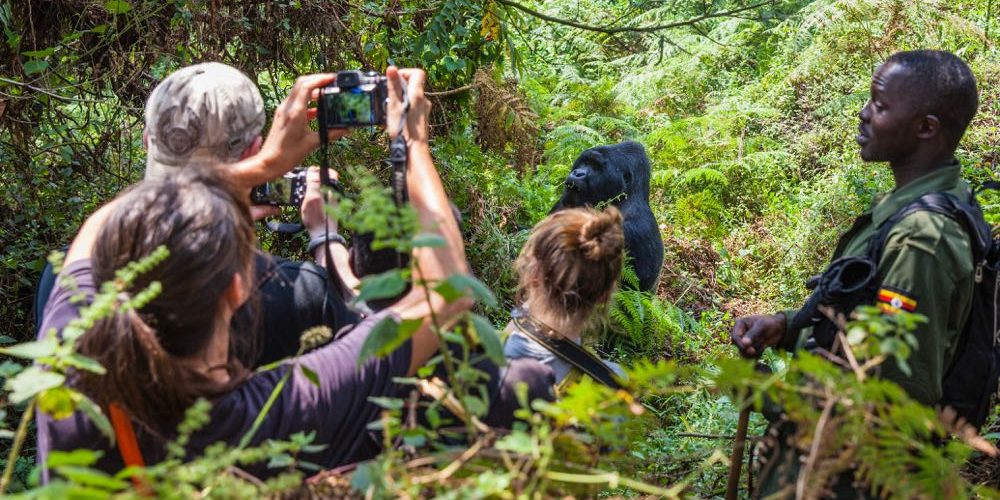
Nothing compares to the awe of coming face-to-face with a mountain gorilla in its natural habitat. In the mist-draped forests of Bwindi Impenetrable National Park and Mgahinga Gorilla National Park, travelers embark on guided treks led by expert rangers. The hike winds through dense foliage alive with birdsong and the calls of colobus monkeys. Then, suddenly, a clearing appears—and there they are.

Watching a silverback feed, a mother cradle her infant, or young gorillas play under the canopy is an experience beyond words. It is humbling, intimate, and profoundly moving. Gorilla trekking is often described as a spiritual encounter, a rare privilege that connects humanity with its origins.

Chimpanzee Tracking – The Primate Capital Experience

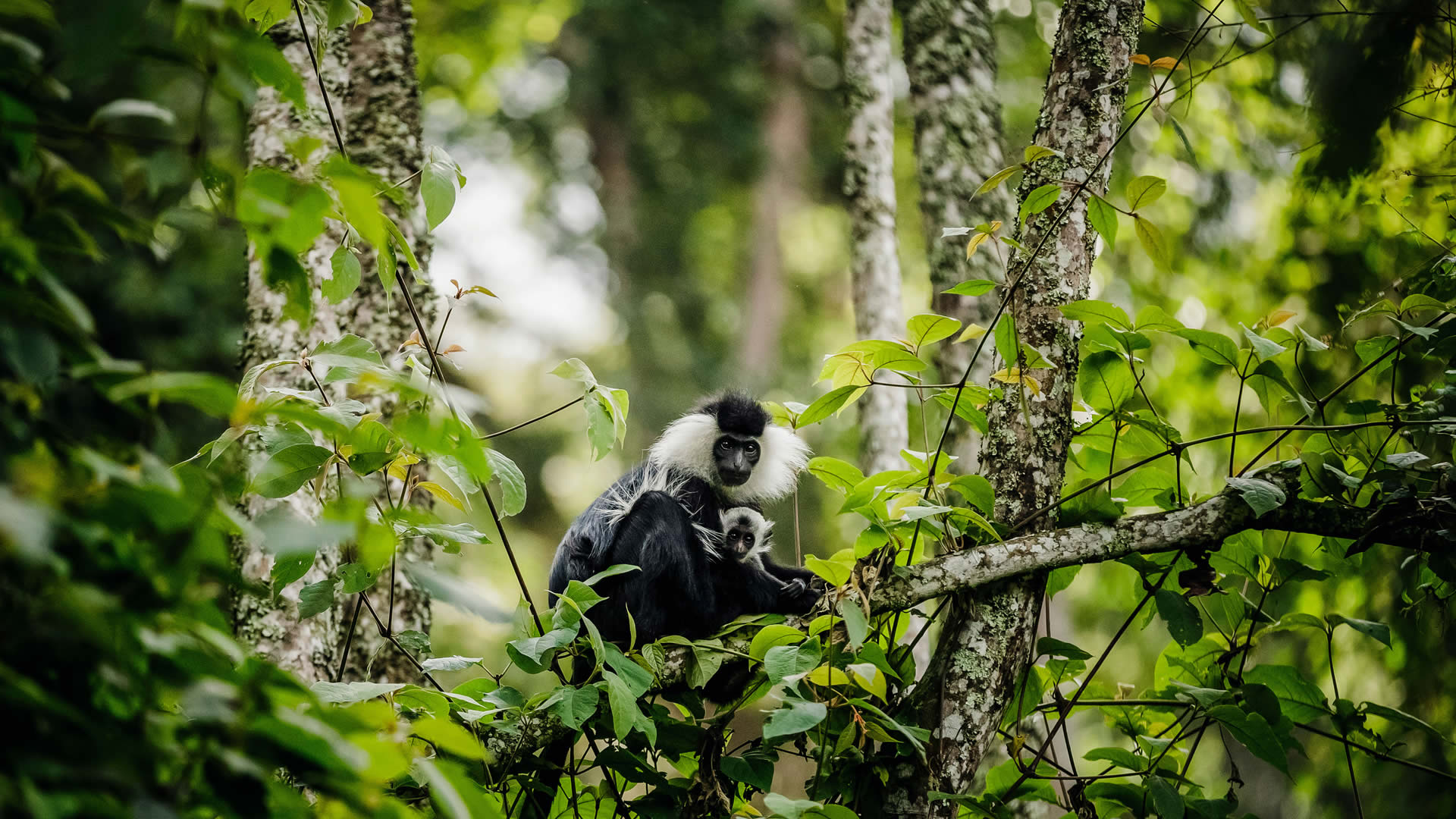
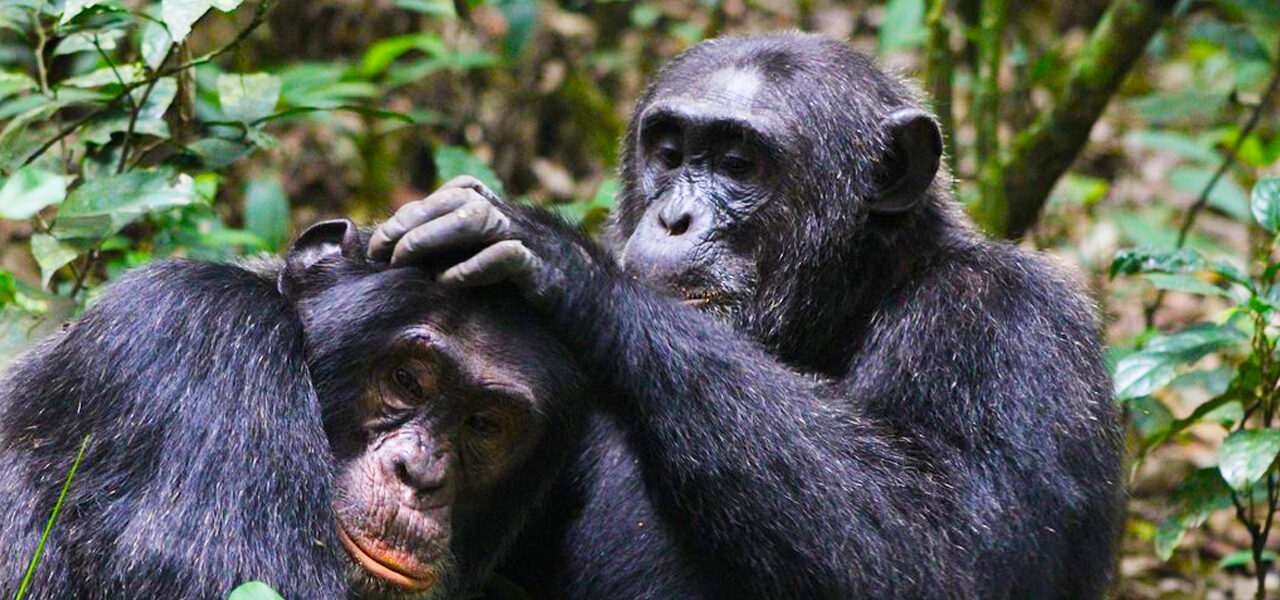
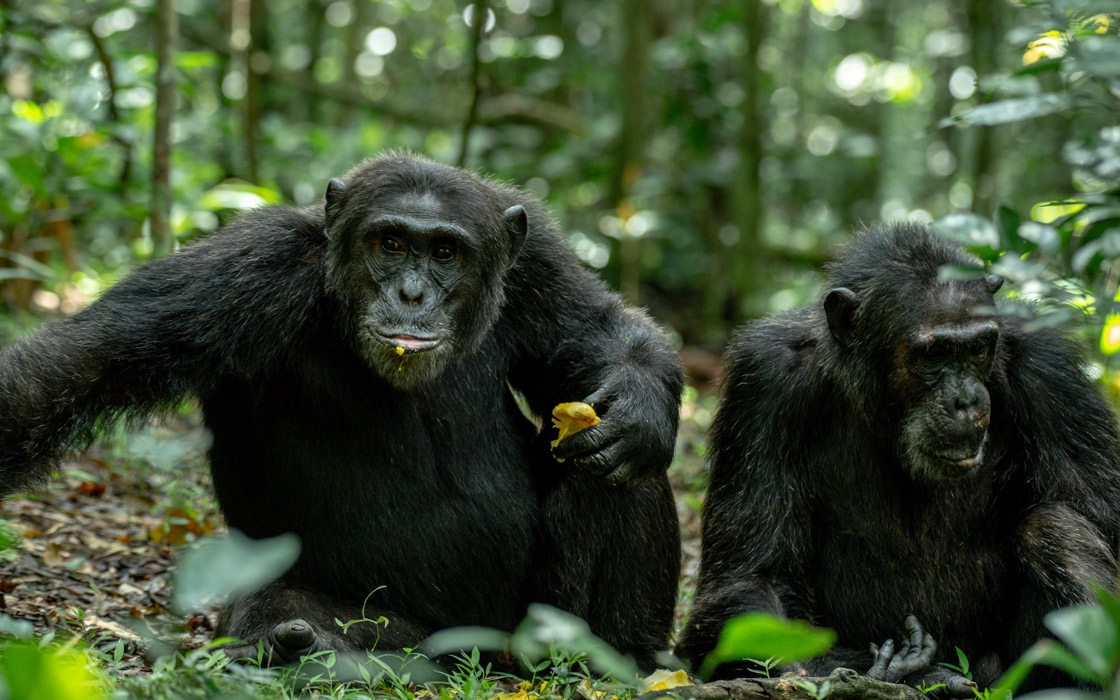
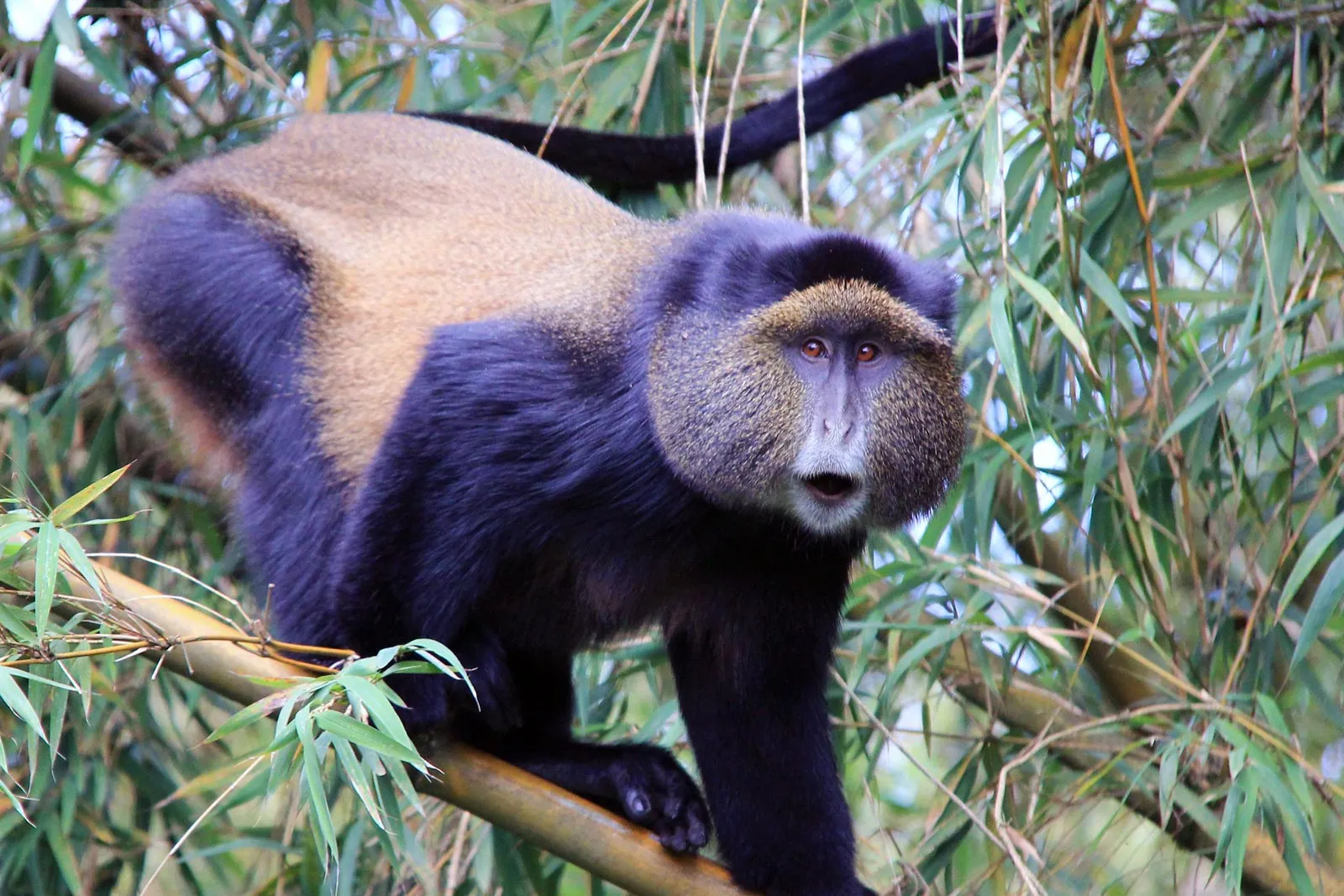
In the lush Kibale Forest National Park, often called the Primate Capital of the World, travelers track troops of wild chimpanzees. The forest is a living mosaic of fig trees, mahogany, and vines, echoing with the calls of 13 primate species. Observing chimpanzees swing effortlessly through the canopy, groom one another, and communicate with expressive vocalizations is mesmerizing.

Chimpanzee trekking is also available in Budongo Forest near Murchison Falls and Kyambura Gorge in Queen Elizabeth National Park, offering travelers multiple opportunities to engage with these intelligent beings.

Big Five Safaris – Uganda’s Classic Wilderness

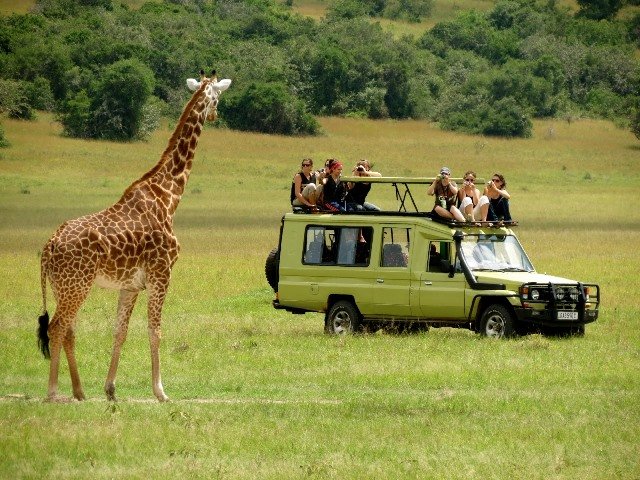
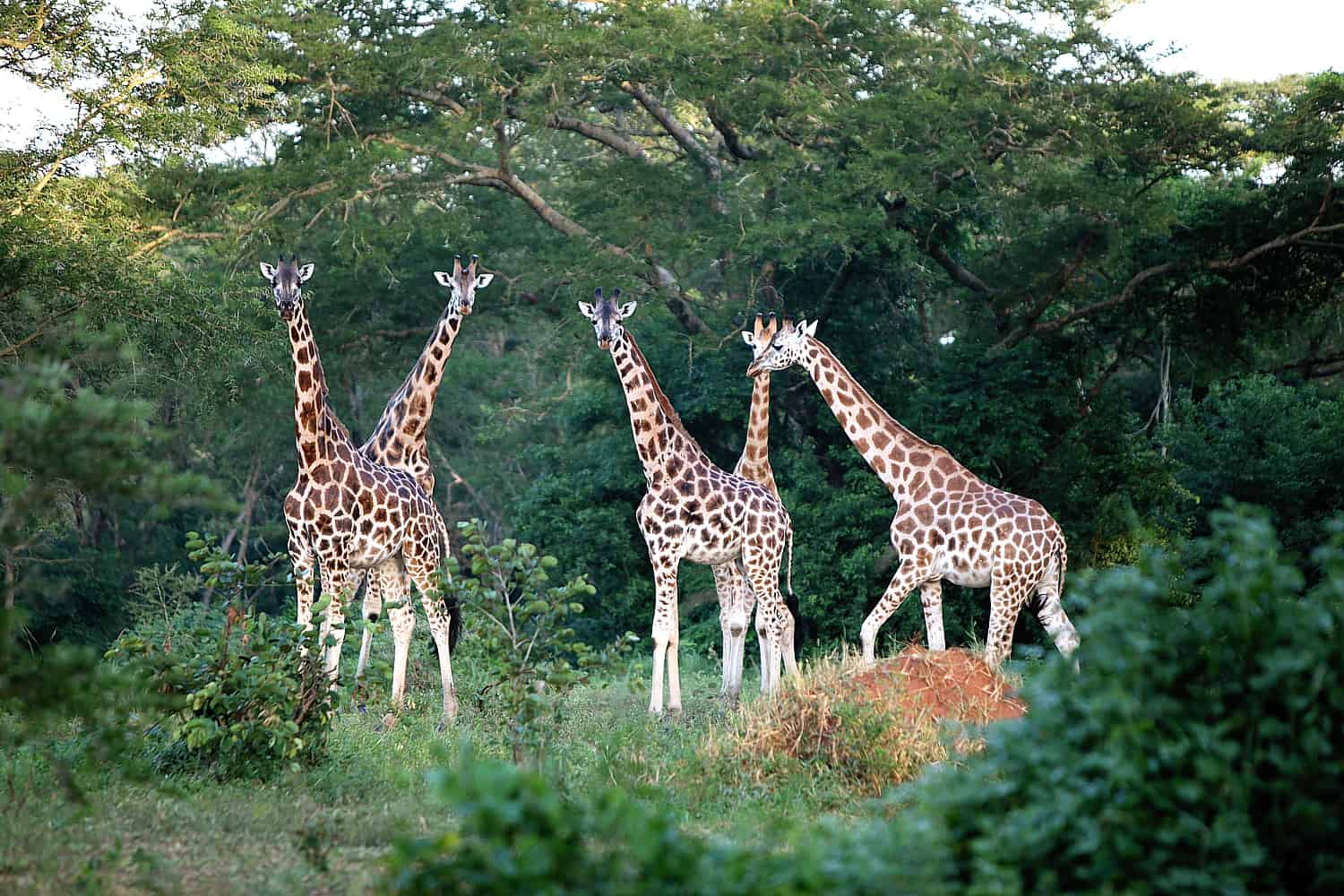
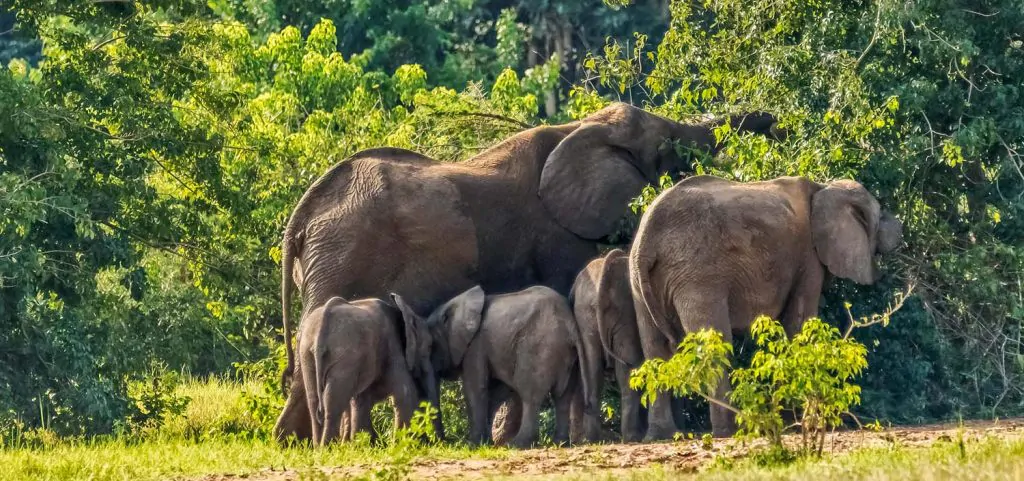
Uganda’s savannah parks rival the best of East Africa’s safari destinations yet remain refreshingly uncrowded. In Queen Elizabeth, Murchison Falls, and Kidepo Valley National Parks, the Big Five roam freely, joined by countless antelope, giraffe, zebra, and warthog.

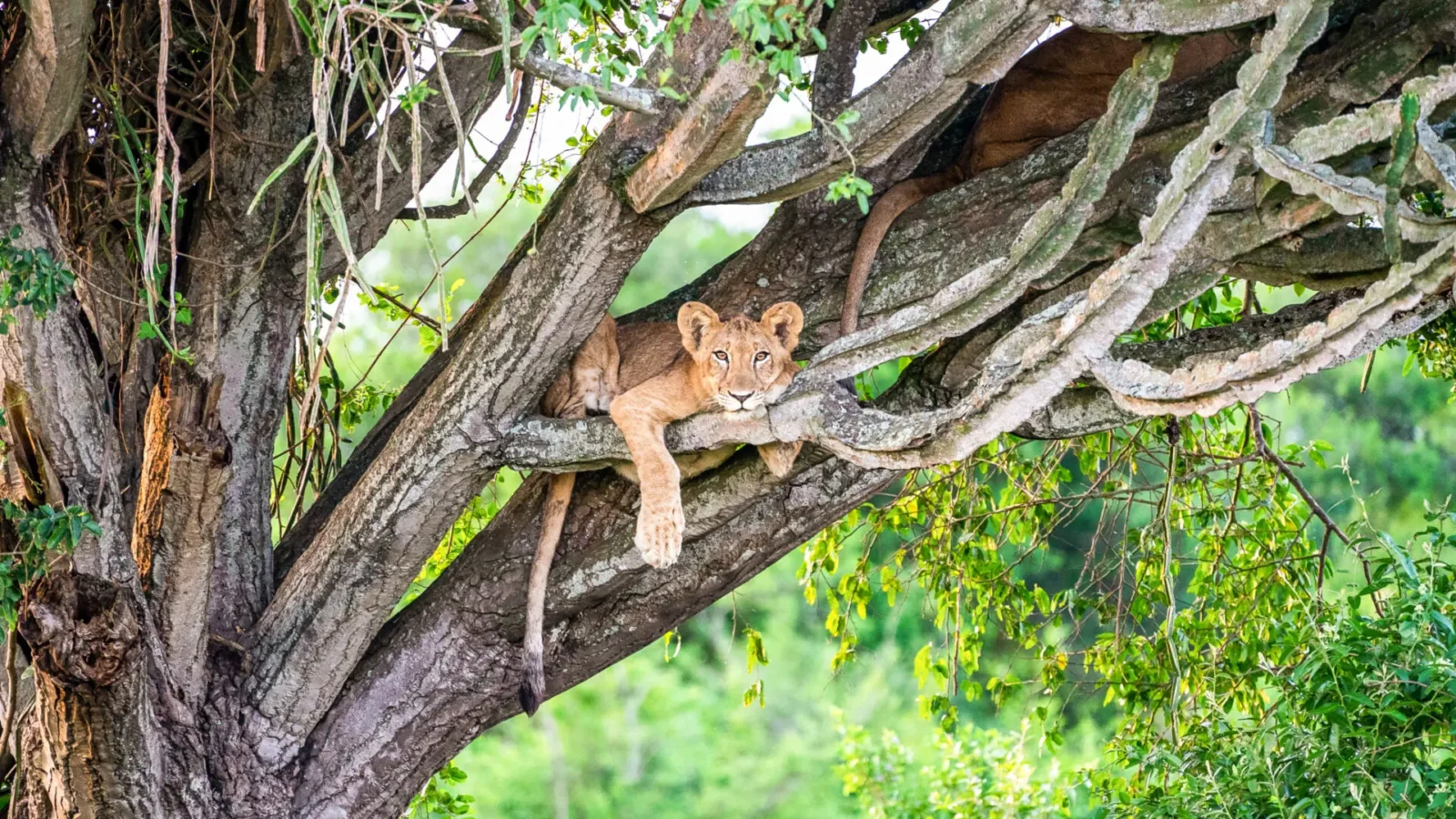
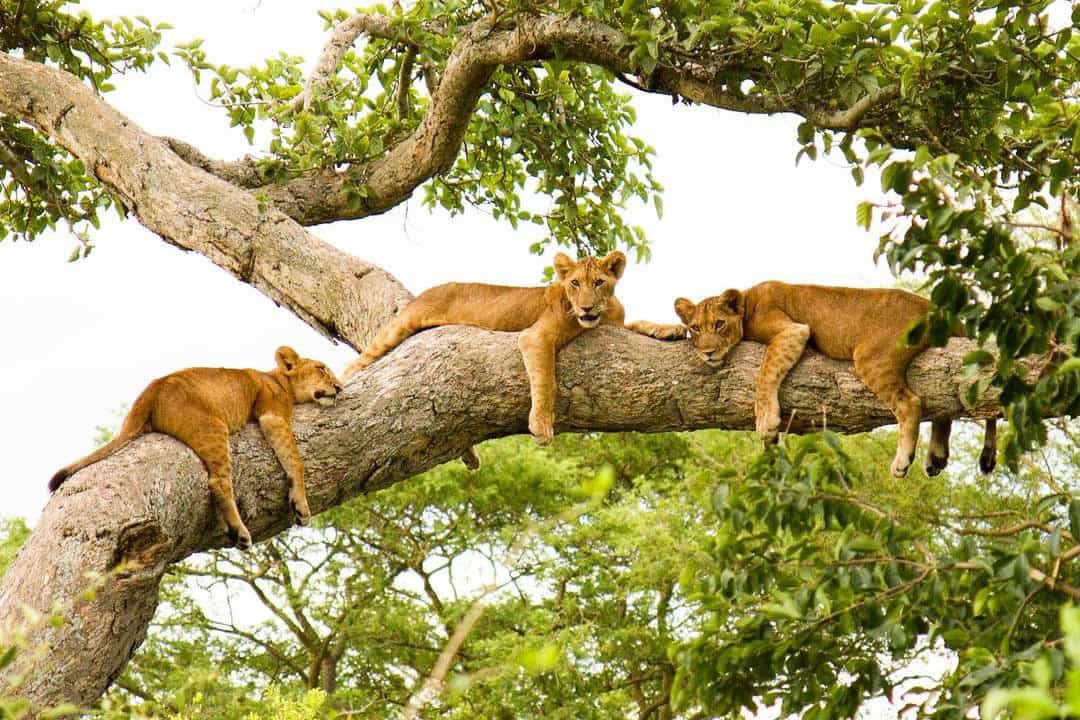
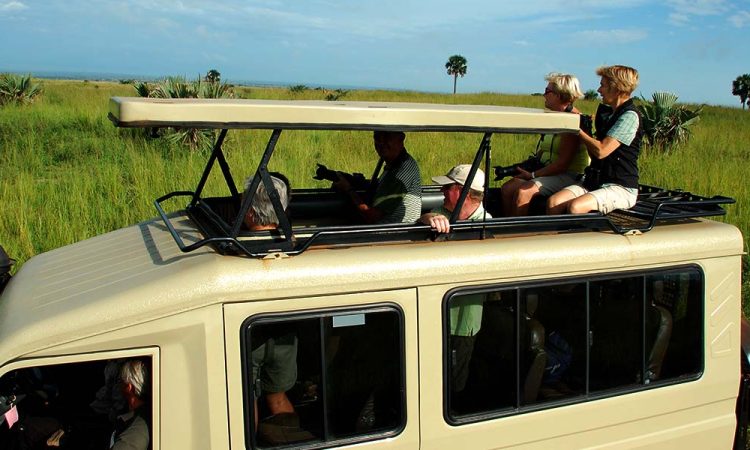
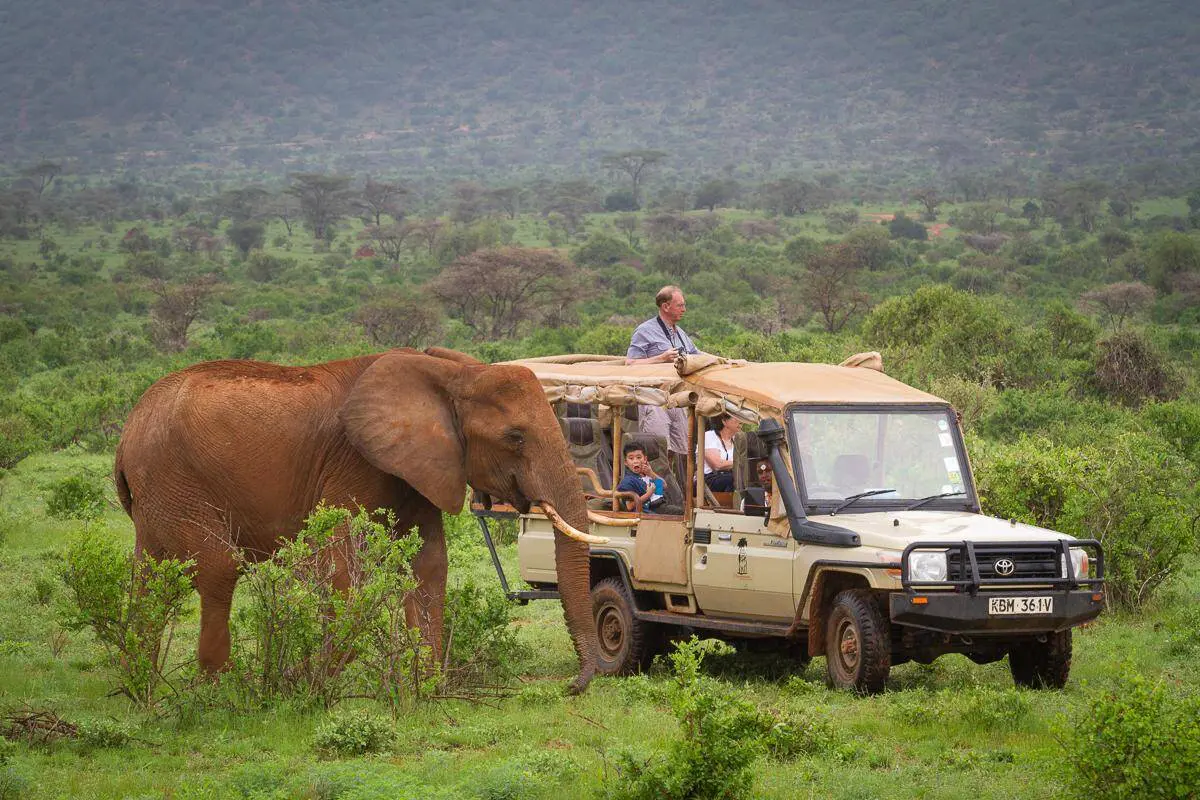
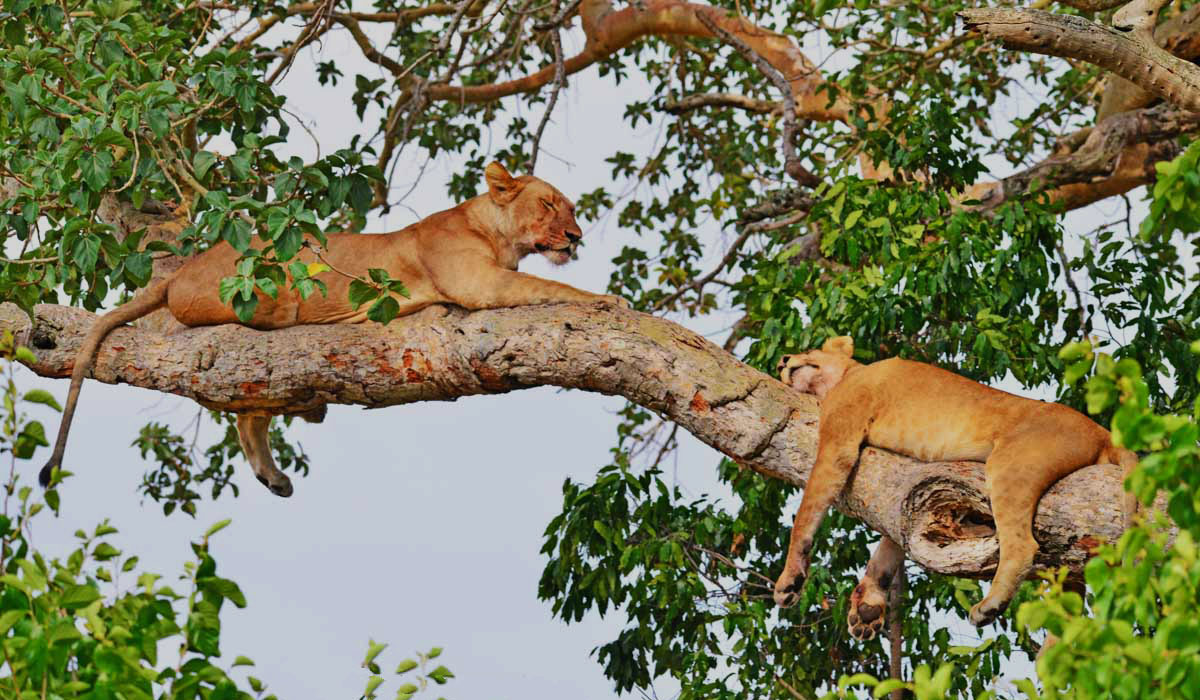
Murchison Falls, with its dramatic landscapes along the Nile, teems with lions, elephants, hippos, and buffalo. The park’s private game drives, river safaris, and hot-air balloon flights offer an elegant, immersive experience. In Queen Elizabeth, the Ishasha sector is home to the famed tree-climbing lions, a rare behavior that has become iconic. Meanwhile, Kidepo Valley, remote and untouched, offers one of Africa’s purest safari experiences, with sweeping views, roaring lions, and ostriches crossing open plains.

The Nile Experience – Life Along Africa’s Greatest River

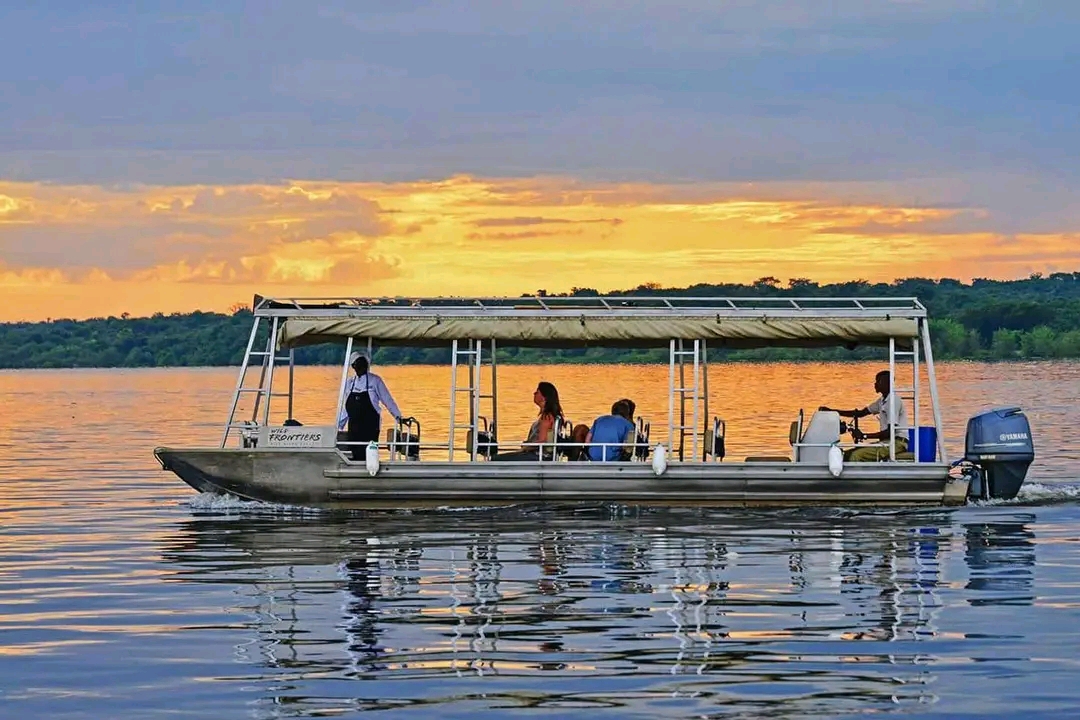
The Nile, Africa’s longest river, defines Uganda’s northern landscape. A wildlife holiday here includes serene boat cruises along the Nile, where travelers encounter crocodiles, hippos, elephants, and countless birds lining the banks. At Murchison Falls, the river narrows into a roaring gorge, creating the most powerful waterfall on the continent. Sunset cruises and riverside lodges provide moments of deep peace and reflection amidst raw grandeur.

Birding in Paradise – A Haven for Ornithologists

With over 1,065 recorded bird species, Uganda is a global birding paradise. The Albertine Rift region shelters rare endemics, while wetlands like Mabamba Swamp host the mysterious shoebill stork—a prehistoric-looking bird found nowhere else in such abundance. Whether you are a dedicated birder or a casual observer, Uganda’s birdlife enchants with color, variety, and song.

Scenic Landscapes and Adventure Additions

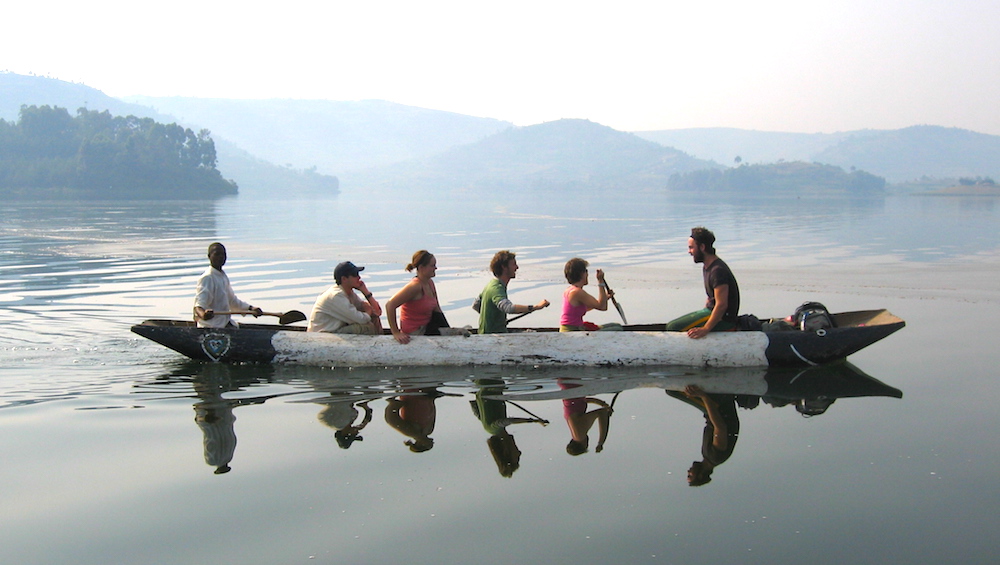
Beyond its wildlife, Uganda astonishes with its landscapes. The Rwenzori Mountains, known as the Mountains of the Moon, rise into snowy peaks, offering hiking opportunities through glaciers and alpine meadows. The volcanic Virunga Range forms a dramatic backdrop to the southwest, while Lake Bunyonyi, dotted with 29 islands, provides serenity after safari adventures.

For thrill-seekers, white-water rafting on the Nile in Jinja, hot-air balloon safaris over Murchison Falls, or quad biking through countryside trails add an adrenaline edge to wildlife exploration. Uganda’s diversity allows every traveler to design a holiday that balances adventure with tranquility.

Best Destinations

Bwindi Impenetrable National Park

A UNESCO World Heritage Site, Bwindi is home to nearly half of the world’s remaining mountain gorillas. Its dense, ancient forest teems with biodiversity—over 120 mammal species, 200 butterflies, and 350 bird species. Luxury lodges like Clouds Mountain Gorilla Lodge and Buhoma Lodge provide elegant bases from which to embark on life-changing treks.

Queen Elizabeth National Park

Spanning lakes, grasslands, and crater-filled valleys, Queen Elizabeth National Park is one of Uganda’s most picturesque reserves. It is home to over 600 bird species and 95 mammal species. The Kazinga Channel boat cruise offers intimate views of elephants, hippos, and crocodiles, while the Ishasha sector offers the unique sight of lions resting in fig trees.

Murchison Falls National Park

Dominated by the Nile’s dramatic descent through a narrow gorge, Murchison Falls combines raw power with ecological abundance. The park hosts giraffes, lions, buffalo, and one of the largest hippo populations in Africa. The falls themselves are an unforgettable spectacle—thundering through mist and rainbow spray.

Kidepo Valley National Park

Remote and pristine, Kidepo Valley is often described as Africa’s last frontier. Its sweeping savannahs are home to cheetahs, ostriches, elephants, lions, and buffalo. The vastness of its landscape, combined with cultural encounters with the Karamojong people, makes Kidepo a destination for those seeking wilderness in its purest form.

Kibale Forest National Park

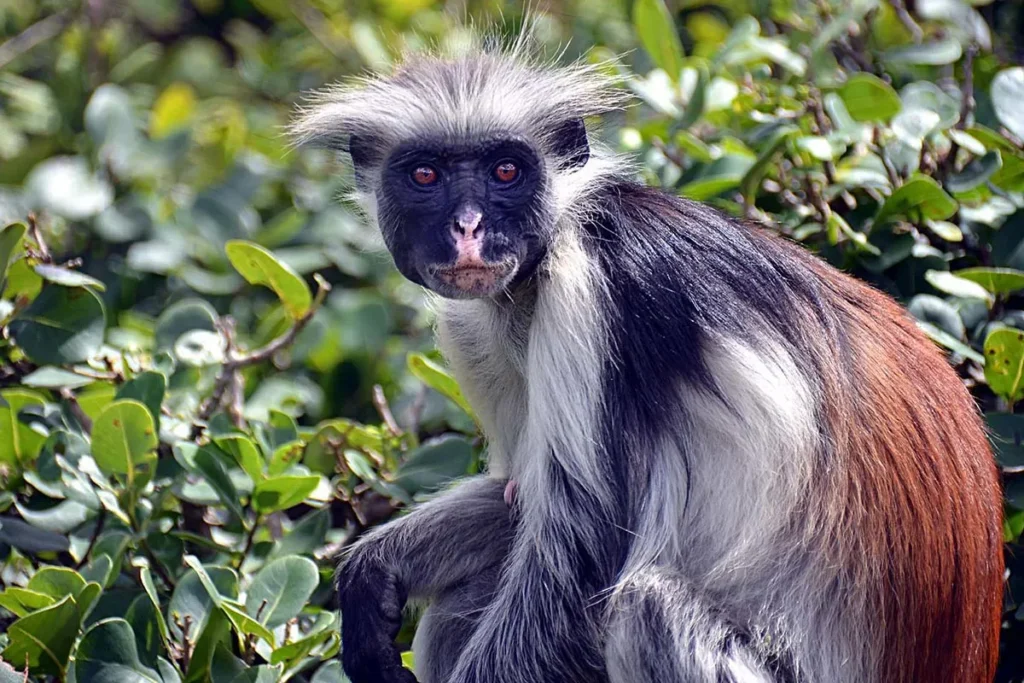
Renowned for primates, Kibale is a lush rainforest alive with chimpanzees, red colobus, and black-and-white monkeys. Guided treks offer close encounters with habituated chimp communities, while luxury lodges such as Kyaninga Lodge offer rest in settings of unmatched serenity.

Ziwa Rhino Sanctuary

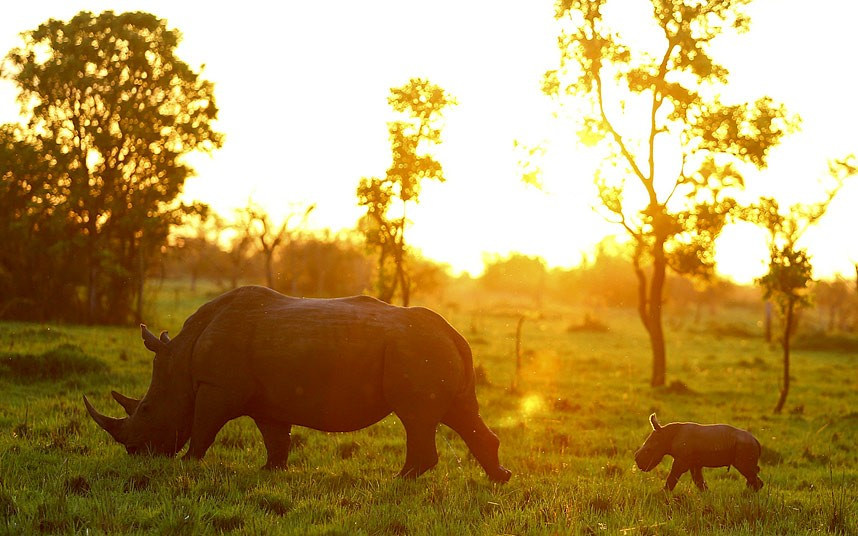
Located near Nakasongola, Ziwa Rhino Sanctuary is the only place in Uganda where rhinos roam freely. Visitors can track them on foot, accompanied by rangers who share insights about conservation efforts aimed at restoring rhinos to Uganda’s wild ecosystems.

Best Time to Go

Uganda’s wildlife holidays can be enjoyed all year, but the dry seasons—from December to February and June to September—offer the best conditions for safaris and trekking. Trails are firm, animals congregate around water sources, and skies are clear for photography.

The wet seasons (March–May and October–November) transform the landscape into lush green splendor, attracting migratory birds and offering dramatic scenery with fewer visitors. Gorilla and chimpanzee trekking are still possible during these months, and the rain often enhances the sense of being deep in the heart of the jungle.

Uganda’s equatorial climate ensures mild temperatures year-round, though altitude causes variation—cooler in the highlands and warmer in the lowland plains. Each season reveals a different rhythm of life, making Uganda a year-round paradise for nature lovers.

Travel Tips

Embarking on a wildlife holiday in Uganda requires thoughtful preparation to ensure comfort and respect for the environment. Travelers should pack light, breathable clothing for the warm days and warmer layers for cool nights, particularly in highland areas. Neutral colors help blend into natural surroundings during game drives and treks.

A pair of sturdy hiking boots is essential for gorilla and chimpanzee tracking, as is insect repellent and sunscreen for protection in the tropics. Travel insurance covering adventure activities is advisable. Photography enthusiasts should carry zoom lenses to capture wildlife at respectful distances.

Health precautions include vaccinations for yellow fever (required for entry) and malaria prophylaxis. Drinking bottled or purified water is recommended. Local currency, the Ugandan Shilling, is widely used, though major lodges accept cards.

Above all, traveling responsibly is key. Observing wildlife from a distance, respecting ranger instructions, and supporting community-run lodges or craft markets ensures that tourism remains sustainable. With professional guidance from an experienced tour operator like WildHorn Africa, travelers can focus on immersion while every logistical detail is flawlessly handled.

Why Choose This Holiday Type

Choosing a Uganda Wildlife Holiday is choosing authenticity. It is a decision to explore Africa in its most natural form, without filters or crowds. Unlike many safari destinations, Uganda retains a sense of intimacy and originality. It is a place where every experience feels deeply personal and connected to the land itself.

The country’s unique combination of primates and savannah wildlife sets it apart from the rest of Africa. Where else can one trek gorillas in the morning and watch lions hunt by afternoon? Where else does one journey from rainforest to savannah to snow-capped mountains within a single itinerary? Uganda’s ecological diversity is its signature of wonder.

Equally important is Uganda’s commitment to conservation and community. National park fees directly support wildlife protection, while local communities benefit through employment and sustainable tourism programs. Travelers can rest assured that their presence contributes positively to both people and planet.

Uganda’s wildlife holidays are more than observation—they are participation. They invite travelers into the rhythm of the wild, the chorus of birds at dawn, the laughter of guides who know the land intimately, and the stories shared by campfires under African stars.

For those who seek to rediscover wonder, Uganda offers a world still young in spirit. It is a destination where adventure and emotion intertwine, and where the memory of each encounter lingers long after the journey ends.

Conclusion

A journey through Uganda’s wild heart is a return to nature’s masterpiece. It is to walk where giants tread, to hear the language of rivers and forests, and to feel the humbling presence of creatures whose existence predates humanity itself. Uganda Wildlife Holidays offer not just adventure, but perspective—a reminder of what remains pure and worth protecting.

From the misty heights of Bwindi to the golden plains of Kidepo, from the thunder of Murchison Falls to the serenity of Lake Bunyonyi, Uganda unfolds as an epic in every sense. Each sunrise paints a new chapter, each encounter deepens the narrative, and each traveler departs changed—renewed by the grace of the wild.

For those ready to explore Uganda’s untamed beauty in style and with purpose, it is highly recommended to book your Africa tours and safaris through WildHorn Africa, a premier operator known for crafting personalized, sustainable, and luxurious wildlife experiences across East Africa. With their expertise and passion, every moment in the Pearl of Africa becomes unforgettable.

Uganda Wildlife holidays

Together We Build your dream holiday

Customize your experience

Customize

Uganda Wildlife holidays

FAQs

What makes Uganda Wildlife Holidays different from other African safaris?

Uganda Wildlife Holidays stand apart for their diversity and authenticity. While many African countries focus mainly on savannah safaris, Uganda combines classic wildlife experiences with unique primate encounters. It is one of the few destinations where travelers can trek mountain gorillas, chimpanzees, and also view the Big Five in a single journey. The country’s pristine landscapes, low visitor numbers, and warm hospitality create an experience that feels raw, exclusive, and profoundly personal.

What types of wildlife can I expect to see in Uganda?

Uganda is home to an incredible array of species. Travelers can encounter mountain gorillas, chimpanzees, lions (including tree-climbing lions), elephants, leopards, buffalo, giraffes, zebras, hippos, crocodiles, and over 1,000 bird species. The country’s diversity of ecosystems—rainforest, wetland, savannah, and alpine regions—makes it one of Africa’s most ecologically rich destinations.

Is gorilla trekking part of a Uganda Wildlife Holiday?

Yes, gorilla trekking is one of Uganda’s signature experiences and a highlight of any wildlife holiday. In Bwindi Impenetrable National Park or Mgahinga Gorilla National Park, travelers hike through lush rainforests to spend an hour observing gorilla families in the wild. This intimate encounter is often described as life-changing and is among the most sought-after wildlife experiences in the world.

How physically demanding is gorilla or chimpanzee trekking?

Both activities require moderate fitness. Trekking paths can be steep, muddy, and at times challenging due to Uganda’s hilly terrain. However, treks are guided at a comfortable pace, and porters are available to assist. Each trekking group is matched with a suitable trail based on physical ability, ensuring that every traveler can enjoy the experience safely and comfortably.

What are the best destinations for wildlife viewing in Uganda?

Uganda offers several world-class wildlife destinations. Bwindi Impenetrable Forest and Mgahinga are famed for gorillas, Kibale Forest for chimpanzees, Queen Elizabeth National Park for tree-climbing lions and the Kazinga Channel, Murchison Falls National Park for the Nile River and large mammals, and Kidepo Valley National Park for its remote and untouched wilderness. Each region offers a different facet of Uganda’s natural beauty.

When is the best time to go on a Uganda Wildlife Holiday?

The best time to visit is during the dry seasons, from December to February and June to September. During these months, wildlife is more visible as animals gather around water sources, and trekking trails are drier. However, Uganda is a year-round destination, and the green seasons (March–May and October–November) bring lush landscapes, fewer crowds, and vibrant birdlife.

Is Uganda a safe destination for wildlife travel?

Yes, Uganda is considered one of East Africa’s safest and most welcoming countries. National parks are well-managed, and local communities are deeply invested in tourism. Travelers are accompanied by trained guides and rangers at all times. Booking through a reputable operator like WildHorn Africa ensures that logistics, transport, and safety are professionally handled from start to finish.

Are Uganda Wildlife Holidays suitable for families?

Absolutely. Uganda’s wildlife experiences can be tailored for families with older children (ages 10 and above are ideal for most parks). While gorilla trekking has a minimum age of 15, families can enjoy chimp tracking, game drives, boat safaris, cultural visits, and nature walks. Many lodges cater to families, offering spacious suites, private guides, and child-friendly activities.

What kind of accommodation is available during Uganda Wildlife Holidays?

Uganda offers a range of accommodations—from luxury eco-lodges with fine dining and spa services to mid-range safari camps and community-owned lodges. Lodges such as Clouds Mountain Gorilla Lodge, Kyambura Gorge Lodge, Baker’s Lodge, and Apoka Safari Lodge are known for blending comfort with nature, offering personalized service, panoramic views, and eco-conscious design.

What kind of safari activities are included?

A Uganda Wildlife Holiday can include game drives, boat safaris, gorilla and chimpanzee trekking, nature walks, birdwatching, cultural visits, and even hot-air balloon safaris or helicopter flights over Murchison Falls. Each experience is guided by knowledgeable experts who ensure guests enjoy the highest quality of interpretation and comfort.

Do I need special permits for wildlife activities?

Yes. Gorilla and chimpanzee trekking require permits issued by the Uganda Wildlife Authority. These must be secured in advance as daily visitor numbers are limited to protect the animals and their habitats. When booking with WildHorn Africa, all necessary permits and logistics are arranged on your behalf to ensure a seamless experience.

What should I pack for a Uganda Wildlife Holiday?

Lightweight, breathable clothing in neutral colors is ideal. A pair of sturdy walking boots, a rain jacket, hat, sunscreen, insect repellent, binoculars, and a good-quality camera are essential. Long-sleeved shirts and trousers are useful for forest treks to prevent insect bites. Most lodges offer laundry services, so packing light is convenient.

Can I combine a wildlife safari with cultural or adventure experiences?

Yes, and it is highly recommended. Uganda’s wildlife holidays blend beautifully with cultural visits, boat cruises, white-water rafting, village walks, and tea plantation tours. Interacting with local communities adds depth to the journey, offering insight into Uganda’s traditions and daily life while supporting community-based tourism initiatives.

How close can I get to wildlife on safari?

Uganda’s safaris offer close yet respectful proximity to wildlife. On gorilla and chimpanzee treks, visitors observe animals from a safe distance of about 7 meters, ensuring minimal disturbance. On game drives and boat safaris, vehicles and boats approach animals quietly, providing intimate yet safe viewing experiences that adhere to strict conservation guidelines.

Is Uganda a good destination for birdwatching?

Uganda is a world-class birding destination. With over 1,065 species, including the elusive shoebill stork, African fish eagle, and Great Blue Turaco, birdwatchers find endless fascination here. Wetlands, forests, and crater lakes provide prime birding habitats, and professional guides can tailor itineraries specifically for ornithologists or casual bird enthusiasts.

How does tourism benefit conservation and local communities in Uganda?

Wildlife tourism in Uganda directly supports conservation and community welfare. Entrance fees and permits fund national park management, anti-poaching patrols, and habitat protection. Many lodges and tour companies partner with local villages, providing employment, education, and healthcare. When traveling with responsible operators like WildHorn Africa, your visit contributes to preserving Uganda’s wildlife legacy.

How long should I plan for a Uganda Wildlife Holiday?

A minimum of 7 to 10 days allows travelers to experience Uganda’s key wildlife highlights. However, a 12 to 14-day itinerary provides a deeper journey—combining gorilla trekking, chimp tracking, classic safaris, and relaxation by lakes or rivers. Uganda’s compact size and good internal flight network make it easy to explore multiple ecosystems in one trip.

Which company is best to book Uganda Wildlife Holidays with?

For a seamless, expertly guided experience, it is highly recommended to book your Uganda Wildlife Holidays through WildHorn Africa. As a leading safari specialist, WildHorn Africa crafts personalized itineraries that combine adventure, comfort, and conservation. Their professional guides, attention to detail, and commitment to authentic travel ensure that every journey through the Pearl of Africa becomes unforgettable.

Packing for Uganda Wildlife holidays

Uganda Wildlife Holidays invite travelers into a realm where nature still breathes in its purest form—an untouched paradise where emerald forests, golden savannahs, and roaring rivers converge to create one of Africa’s most extraordinary ecosystems. Here, wildlife roams freely across vast, unspoiled landscapes, from the majestic mountain gorillas of Bwindi to the thundering herds of elephants in Queen Elizabeth National Park and the stealthy lions of Ishasha. Every journey across Uganda feels deeply immersive, blending the thrill of discovery with the serenity of wilderness. It is a destination that goes beyond ordinary safaris, offering encounters that are both intimate and transformative, where each sunrise holds the promise of new life and wonder in the heart of Africa’s wild soul.

Ultimate Uganda Wildlife Safari

Explore Uganda’s wildlife on a 14-day safari through Murchison Falls, Kibale, Queen Elizabeth, Bwindi, and Kidepo.

View ItineraryINQUIRE NOW
  • Valid passport and Uganda tourist visa
  • Pre-booked gorilla and chimpanzee trekking permits
  • Lightweight, neutral-colored safari clothing
  • Sturdy hiking boots and comfortable walking shoes
  • Wide-brimmed hat and polarized sunglasses
  • Eco-friendly sunscreen and insect repellent
  • A waterproof daypack for treks and safaris
  • High-quality binoculars for wildlife and birding
  • A DSLR or mirrorless camera with zoom lens
  • Travel insurance covering adventure activities
  • Light rain jacket or poncho for tropical showers
  • Local currency (Ugandan Shillings) for tips and markets
  • A spirit of adventure and respect for nature’s rhythm

Why book with us

Grandeur

Experience the grandeur of Africa with WildHorn Africa, where every safari is designed to showcase the continent’s breathtaking landscapes and majestic wildlife.

24/7 support

Enjoy peace of mind with 24/7 support from WildHorn Africa, ensuring expert assistance before, during, and after your safari adventure.

Safety

Your safety is our top priority at WildHorn Africa, with expertly guided safaris and trusted partners ensuring a secure and worry-free adventure.

Price-quality ratio

WildHorn Africa offers exceptional price-quality ratio, delivering top-tier safari experiences at competitive rates without compromising on comfort.

Featured Headlines
AllAboutAbout UsAdventure holidaysBotswanaBotswana places to visitBotswana travel guidesBucket list holidaysCongoCongo places to visitCongo travel guidesContact UsDestinationsEco-friendly accommodationsEgyptEgypt travel guidesEthiopiaEthiopia travel guidesExperiencesFamily holidaysGabonGabon travel guidesGet inspiredGroup holidaysHoliday typesHoneymoon holidaysJoin our teamKenyaKenya travel guidesKenya trip ideasLuxury holidaysMadagascarMadagascar travel guidesMalawiMalawi travel guidesMozambiqueMozambique travel guidesNamibiaNamibia accommodationsNamibia places to visitNamibia travel guidesNamibia trip ideasOff the beaten track holidaysPrimate holidaysRefer a friendResponsible travel tipsRwandaRwanda travel guidesRwanda trip ideasSafari holidaysSouth AfricaSouth Africa best time to visitSouth Africa travel guidesSouth Africa trip ideasSouth SudanSouth Sudan places to visitSpecial offersSustainable travelTanzaniaTanzania places to visitTanzania travel guidesTanzania trip ideasTravel guidesTravel safetyTravel stories and blogsUgandaUganda accommodationsUganda best time to visitUganda places to visitUganda travel guidesUganda trip ideasWhen to goWhere to goWildlife holidaysYour first safariZambiaZambia places to visitZambia travel guidesZimbabweZimbabwe places to visitZimbabwe travel guides
Uganda Luxury holidays

Uganda Luxury holidays

By Uganda travel guides

Uganda Luxury holidays

There are journeys that linger long after the luggage is unpacked—journeys that transform travel into artistry. Uganda Luxury Holidays are among those rare experiences where nature, culture, and comfort unite seamlessly. Nestled at the very heart of East Africa, Uganda is often known as the “Pearl of Africa”, a title bestowed upon it for its unparalleled beauty, diverse wildlife, and astonishing natural contrasts. From mist-covered volcanic ranges to rolling savannahs teeming with wildlife, from shimmering crater lakes to ancient forests echoing with the calls of mountain gorillas—Uganda offers not just a destination, but a world in motion. Yet, what makes luxury travel here distinct is the harmony between indulgence and authenticity.

read more

Uganda Luxury Holidays

Introduction & Overview

There are journeys that linger long after the luggage is unpacked—journeys that transform travel into artistry. Uganda Luxury Holidays are among those rare experiences where nature, culture, and comfort unite seamlessly. Nestled at the very heart of East Africa, Uganda is often known as the “Pearl of Africa”, a title bestowed upon it for its unparalleled beauty, diverse wildlife, and astonishing natural contrasts. From mist-covered volcanic ranges to rolling savannahs teeming with wildlife, from shimmering crater lakes to ancient forests echoing with the calls of mountain gorillas—Uganda offers not just a destination, but a world in motion. Yet, what makes luxury travel here distinct is the harmony between indulgence and authenticity.

Uganda’s luxury holiday scene is not about glitz without soul—it is about refinement grounded in wilderness. Here, elegant lodges stand upon the edges of crater lakes with panoramic views of the Rwenzori Mountains, and treehouse-style retreats overlook the misty jungles of Bwindi Impenetrable Forest. Private game drives unfold across the golden plains of Queen Elizabeth National Park, while gourmet dinners are served beneath the stars beside the Nile River. Every moment feels intentional, every detail measured, every encounter personal.

Luxury travel in Uganda has matured gracefully over the past two decades. The country’s high-end safari industry has evolved to meet the expectations of discerning travelers while preserving its raw and authentic essence. Where Kenya and Tanzania often feel celebrated for their grandeur, Uganda offers exclusivity—the rare gift of solitude in the wild. It is not crowded nor commercialized; instead, it is intimate and deeply personal. Whether it is a helicopter flight over the Rwenzori peaks, a private gorilla trekking permit in Bwindi, or a champagne breakfast after a dawn hot-air balloon over Murchison Falls, Uganda’s luxury holidays redefine indulgence as an experience of connection rather than excess.

Who It’s For

Uganda Luxury Holidays are designed for travelers who seek to immerse themselves in Africa’s soul while embracing the refinement of world-class comfort. These holidays are not for those who measure luxury solely by marble floors or chandeliers, but for those who measure it by experience—by the privilege of exclusivity, serenity, and depth.

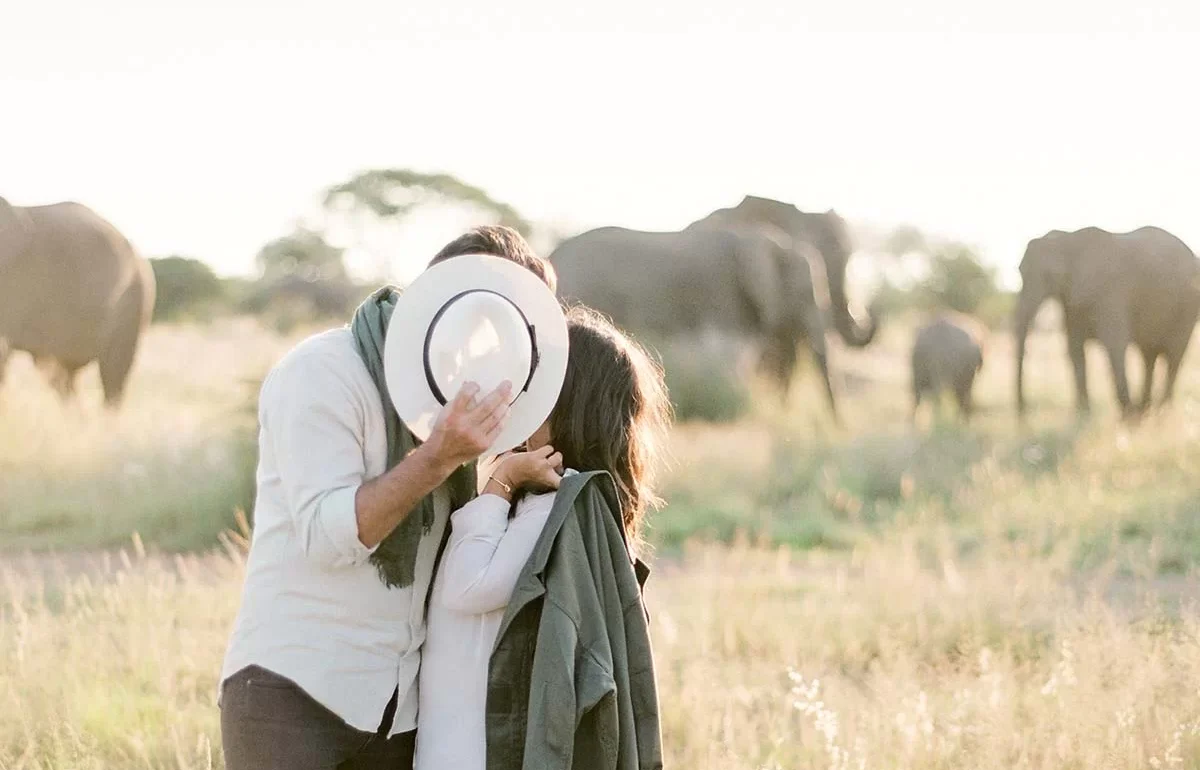
For honeymooners, Uganda is an unmatched romantic canvas. Imagine waking to the sounds of birdsong in a rainforest villa, where morning mists roll through emerald foliage and breakfast is served on a private deck overlooking gorilla territory. Picture a candlelit dinner beside a crater lake or a sunset cruise on the Nile with champagne in hand and hippos grunting softly in the background. Uganda offers intimacy born not from isolation, but from the richness of its landscapes and the warmth of its people.

For adventure enthusiasts who prefer comfort without compromise, Uganda blends thrill with ease. Gorilla trekking in Bwindi, chimpanzee tracking in Kibale, and private wildlife drives in Murchison Falls or Kidepo Valley offer unforgettable adventures that end with sundowners at elegant lodges surrounded by silence and stars.

Luxury holidays in Uganda also appeal to families and small groups seeking meaningful connections—those who value privacy, tailored itineraries, and a slower pace of travel. Uganda’s lodges and safari camps often offer private chefs, personalized butlers, and dedicated guides who ensure each day unfolds as desired.

For photographers, conservationists, and experiential travelers, luxury here is defined by access and authenticity. To photograph gorillas at arm’s length in perfect morning light, to visit local communities guided by cultural experts, or to glide above the savannah on a scenic flight—these are privileges that Uganda delivers with effortless grace.

Ultimately, Uganda’s luxury holidays are for those who desire the art of slow travel, who wish to savor Africa in its purest form, and who understand that true luxury lies in time, space, and soul.

Key Features & Experiences

Uganda’s luxury holiday experiences are woven through its landscapes like threads of gold. They blend wild adventure with comfort, authenticity with elegance, and privacy with immersion. Each experience unfolds as a chapter of discovery—crafted to enchant the senses and elevate the spirit.

Gorilla Trekking in Style

There are few experiences on Earth as profoundly moving as standing before a silverback gorilla in the misty jungles of Bwindi Impenetrable Forest or Mgahinga Gorilla National Park. Luxury gorilla trekking takes this adventure a step further, ensuring every aspect—from permits to porters—is handled with precision. Guests are accommodated in exclusive lodges such as Clouds Mountain Gorilla Lodge or Gorilla Forest Camp, where views stretch over volcanic landscapes and fireplaces glow with warmth after a day’s trek. Helicopter transfers from Entebbe or Kisoro add a touch of glamour, allowing travelers to skip long drives and witness Uganda’s breathtaking topography from above.

After trekking, relaxation awaits—spa treatments inspired by local botanicals, fine dining infused with organic ingredients, and storytelling evenings with local rangers who share tales of the forest.

Private Safaris and Wildlife Encounters

In Uganda, the safari experience feels deeply personal. Unlike the crowded parks of neighboring regions, Uganda’s parks offer a sense of solitude and exclusivity. Queen Elizabeth National Park, with its tree-climbing lions and shimmering Kazinga Channel, is best explored through private game drives in luxury 4×4 vehicles equipped with refreshments and binoculars. Murchison Falls National Park, where the Nile crashes through a narrow gorge, offers private boat safaris beneath the falls—an experience both majestic and meditative.

For those seeking remoteness, Kidepo Valley National Park in the northeast offers one of Africa’s last untouched wildernesses. Staying at the luxurious Apoka Safari Lodge, guests enjoy panoramic views of rolling savannahs dotted with elephants, giraffes, and buffalo herds—often without another tourist in sight.

Each safari can be customized to include private guides, exclusive sundowner setups, or romantic bush breakfasts in scenic locations. Luxury, in this context, is defined by the privilege of solitude and access to nature’s drama without distraction.

The Nile Experience

The River Nile, flowing gently from Lake Victoria northwards through Murchison Falls, is both a natural wonder and a symbol of Uganda’s vitality. Luxury travelers often base themselves at riverside retreats like Nile Safari Lodge, where infinity pools overlook the river and dining is done under lantern light. Activities include private boat cruises to the base of Murchison Falls, fishing expeditions for Nile perch, or even scenic helicopter flights tracing the Nile’s path.

Every sunrise on the Nile feels like a sacred ritual—the light spreading slowly over the water, herons gliding gracefully, and the air filled with peace that feels timeless.

Exclusive Cultural Encounters

Luxury travel in Uganda embraces the human element as much as the natural one. Guests are invited into carefully curated cultural experiences that are both authentic and respectful. Private performances of traditional music, guided visits to the Kasubi Tombs, and storytelling sessions with elders in Ankole or Tooro reveal the depth of Uganda’s heritage.

Travelers can visit local craft communities with expert guides, ensuring interactions are meaningful and supportive of sustainable tourism. These experiences remind visitors that Uganda’s greatest treasure is not only its wildlife—but its people and traditions.

Aerial and Water Adventures

For the traveler who delights in perspective, Uganda offers breathtaking aerial and water-based luxury experiences. Helicopter safaris soar over the Rwenzori Mountains, revealing snow-capped peaks nicknamed the “Mountains of the Moon.” Hot-air balloon rides in Murchison Falls National Park provide an ethereal view of herds crossing the plains at dawn.

Those drawn to water can kayak along the calm stretches of the Nile, take private speedboat excursions to hidden lagoons, or enjoy serene sunset cruises accompanied by fine wines and canapés. Each experience blends exhilaration with serenity, elevating the meaning of adventure itself.

Luxury Lodges and Hospitality

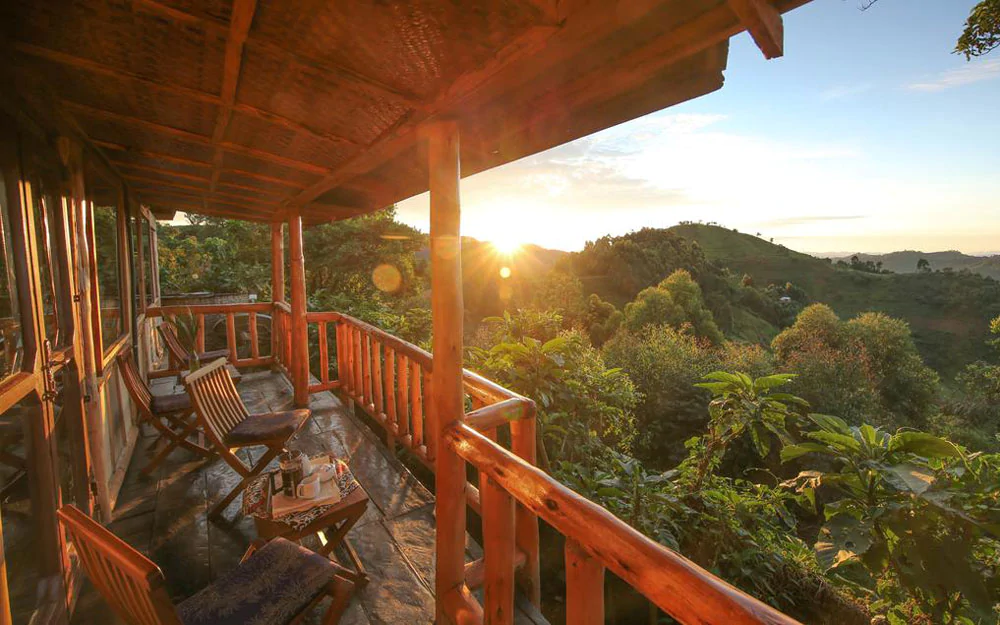
Uganda’s luxury lodges embody the soul of sustainable elegance. Properties like Kyambura Gorge Lodge, Sanctuary Gorilla Forest Camp, Nile Safari Lodge, and Apoka Safari Lodge blend architecture with landscape, ensuring that comfort never disrupts nature’s harmony. Locally sourced materials, handwoven furnishings, and panoramic designs create spaces where one feels both indulged and inspired.

The hospitality is distinctly Ugandan—warm, genuine, and personal. Guests are greeted by name, their preferences remembered, and their experiences tailored intuitively. This quiet attention to detail defines Uganda’s brand of luxury: understated yet unforgettable.

Best Destinations

Uganda’s luxury landscape stretches across diverse ecosystems, each offering its own magic. From the rainforest to the savannah, from the river to the highlands, every destination invites travelers to experience both comfort and wonder in perfect balance.

Bwindi Impenetrable Forest

The soul of Uganda’s luxury tourism lies within the misty folds of Bwindi, home to nearly half of the world’s remaining mountain gorillas. The forest’s thick vegetation, cascading streams, and ancient trees create an atmosphere of mystery and reverence. Luxury lodges perched on hillsides provide commanding views of the Virunga volcanoes. Each trek into the forest feels sacred, and each return feels like reawakening.

Queen Elizabeth National Park

One of Uganda’s most iconic destinations, Queen Elizabeth National Park combines savannah plains, crater lakes, wetlands, and forests in a stunning tapestry. Luxury travelers can explore the park’s Ishasha sector, famed for its tree-climbing lions, and take private boat cruises along the Kazinga Channel, where elephants, hippos, and buffalo converge at the water’s edge. The park’s lodges offer expansive decks perfect for sunset reflections.

Murchison Falls National Park

At Murchison Falls, the Nile River narrows into a dramatic 7-meter gorge, creating one of the world’s most powerful waterfalls. The sight and sound of the falls are hypnotic, and luxury safaris here combine river exploration with wildlife viewing across vast grasslands. Lodges such as Nile Safari Lodge and Baker’s Lodge provide sanctuary along the riverbank, offering exceptional comfort in a wilderness setting.

Kidepo Valley National Park

Remote, rugged, and breathtakingly beautiful, Kidepo Valley is often described as Africa’s best-kept secret. It offers one of the most authentic safari experiences on the continent, with vast landscapes inhabited by lions, cheetahs, elephants, and ostriches. Its isolation ensures privacy, and its golden sunsets are legendary. Apoka Safari Lodge stands as a testament to understated elegance in an untouched wilderness.

Kibale Forest National Park

Known as the “Primate Capital of the World,” Kibale Forest is home to over thirteen species of primates, including habituated chimpanzees. Luxury experiences here combine guided chimp treks with forest walks, birdwatching, and cultural visits to nearby crater lakes. Boutique lodges such as Kyaninga Lodge offer fine dining, infinity pools, and views that stretch beyond imagination.

Lake Bunyonyi and Fort Portal

For tranquility, Lake Bunyonyi and Fort Portal offer a slower, reflective experience. Floating lodges on the lake provide seclusion, while Fort Portal’s crater lakes and tea estates paint a scene of pastoral beauty. Both destinations are perfect for relaxation between safaris or after gorilla trekking.

Best Time to Go

Uganda’s luxury holidays can be enjoyed year-round, though the ideal time depends on the traveler’s preferences. The dry seasons—from December to February and June to September—are considered the best for gorilla trekking, safaris, and outdoor adventures. Trails are firm, wildlife is easily visible, and skies are clear for photography.

The green seasons—from March to May and October to November—bring lush vegetation, fewer crowds, and special lodge discounts, making them ideal for luxury travelers seeking solitude. Rain showers are often brief and refreshing, adding a dramatic flair to the landscape without hindering travel.

Uganda’s equatorial climate ensures that temperatures remain pleasant throughout the year, with cooler conditions in highland regions like Bwindi and Fort Portal.

Travel Tips

Luxury travel in Uganda blends adventure with comfort, but a few thoughtful considerations enhance the experience. Travelers should pack light yet elegant attire suitable for both outdoor and lodge settings. Neutral colors are best for safaris, while light layers suit the equatorial climate. Sturdy walking shoes are essential for gorilla trekking, and a camera with good zoom capability will capture the intimate details of Uganda’s wildlife and culture.

Visas can be obtained online before travel, and Uganda’s e-visa system ensures smooth entry. Yellow fever vaccination proof is required, and general health precautions are recommended. Traveling with a reputable operator such as WildHorn Africa ensures that logistics, transfers, and permits are managed seamlessly.

Uganda’s people are warm and welcoming, and cultural respect enhances the journey. Greeting locals, dressing modestly in villages, and supporting local artisans contribute to responsible travel. Above all, maintaining an open heart and curious spirit will make every encounter unforgettable.

Why Choose This Holiday Type

Choosing a Uganda Luxury Holiday is choosing to experience Africa’s essence with refinement, privacy, and authenticity. It is an escape from the ordinary—a return to travel that feels both indulgent and meaningful. Uganda’s luxury offerings stand apart because they remain rooted in the environment rather than imposed upon it. Each lodge, each experience, and each encounter reflects a philosophy of harmony.

Unlike destinations where luxury overshadows culture, Uganda’s version of opulence feels intimate and balanced. It allows travelers to stand within the wilderness yet feel at home, to explore raw beauty without sacrificing comfort, and to experience personal service without losing the sense of discovery. The country’s growing network of eco-luxury properties has made it a pioneer in sustainable luxury tourism, where conservation, community, and comfort coexist seamlessly.

Luxury in Uganda is not defined by extravagance—it is defined by access: access to silence, to authenticity, and to the extraordinary. It is the silence of dawn broken by the call of a fish eagle. It is the privilege of watching gorillas feed meters away, guided by conservationists whose lives are dedicated to their protection. It is the quiet pride of knowing that your visit sustains communities and preserves nature’s legacy.

This holiday type redefines indulgence. It is for those who understand that true luxury is not found in isolation from nature—but in partnership with it. Uganda invites travelers to rediscover the joy of slowness, the pleasure of detail, and the wonder of presence.

Conclusion

To journey through Uganda in luxury is to walk softly through paradise. It is to hear the language of the forest, to feel the pulse of the savannah, and to be embraced by a nation whose warmth transcends hospitality. From the misty peaks of Bwindi to the roaring Nile at Murchison Falls, from Kidepo’s golden plains to Lake Bunyonyi’s still waters, every scene tells a story of timeless beauty and gentle grandeur.

Uganda Luxury Holidays transform travel into an art form—crafted with care, delivered with sincerity, and remembered forever. The country’s combination of wildlife, culture, comfort, and exclusivity offers an experience that few destinations on Earth can match.

For those who wish to experience Uganda at its finest, it is highly recommended to book your Africa tours and safaris through WildHorn Africa. With expert knowledge, personalized itineraries, and a commitment to excellence, WildHorn Africa ensures that every detail is perfected, every experience authentic, and every moment unforgettable.

Uganda Luxury holidays

Together We Build your dream holiday

Customize your experience

Customize

Uganda Luxury holidays

FAQs

What makes Uganda Luxury Holidays unique compared to other African destinations?

Uganda Luxury Holidays are defined by exclusivity, authenticity, and intimacy. Unlike more commercialized destinations, Uganda offers unspoiled wilderness combined with refined comfort. Travelers can enjoy private gorilla treks, luxurious river lodges, and secluded safaris without the crowds—where every experience feels personal and deeply connected to nature.

What kind of experiences can I expect on a Uganda Luxury Holiday?

Expect a seamless blend of adventure and indulgence. From trekking mountain gorillas in Bwindi while staying at a five-star eco-lodge to enjoying private Nile River cruises, luxury safaris, and helicopter flights over crater lakes—Uganda’s luxury holidays combine nature, culture, and world-class service. Every day feels curated to your pace, taste, and sense of wonder.

Is Uganda a safe destination for luxury travelers?

Yes. Uganda is one of East Africa’s safest and most welcoming countries for international visitors. The government prioritizes tourism security, and luxury lodges are located in safe, well-managed areas. Traveling with a reputable operator like WildHorn Africa ensures professional guides, comfortable transfers, and constant safety oversight throughout your stay.

What are the most popular luxury destinations in Uganda?

Uganda’s top luxury destinations include Bwindi Impenetrable Forest for gorilla trekking, Murchison Falls National Park for Nile-side safaris, Queen Elizabeth National Park for its wildlife and crater lakes, Kidepo Valley for untouched wilderness, and Kibale Forest for chimpanzee tracking. Each destination offers exclusive lodges and private experiences that redefine African elegance.

What luxury lodges are recommended for high-end travelers in Uganda?

Some of Uganda’s finest lodges include Clouds Mountain Gorilla Lodge and Sanctuary Gorilla Forest Camp in Bwindi, Kyambura Gorge Lodge in Queen Elizabeth, Nile Safari Lodge in Murchison Falls, Apoka Safari Lodge in Kidepo, and Kyaninga Lodge in Fort Portal. These properties offer world-class service, fine dining, and unmatched locations in the wild.

What wildlife can I see during a luxury safari in Uganda?

Uganda is a haven for wildlife lovers. Luxury safaris feature encounters with gorillas, chimpanzees, elephants, lions (including tree-climbing lions), leopards, hippos, buffalo, giraffes, and over 1,000 bird species. The diversity of Uganda’s ecosystems—from rainforests to savannahs—means every game drive or trek reveals new wonders.

How luxurious are Uganda’s gorilla trekking experiences?

Luxury gorilla trekking is carefully designed for comfort and exclusivity. Permits are prearranged, private porters are assigned, and guests stay in lodges offering panoramic views, spa treatments, and private dining. Helicopter transfers from Entebbe to Bwindi are available, allowing travelers to bypass long drives while enjoying scenic aerial views.

When is the best time to enjoy Uganda Luxury Holidays?

The dry seasons (December–February and June–September) are ideal for luxury travel. Trails are firm, skies clear, and wildlife easier to spot. However, the green seasons (March–May and October–November) offer lush landscapes, dramatic scenery, and fewer tourists—perfect for travelers seeking privacy and photography opportunities.

Are Uganda Luxury Holidays suitable for honeymooners?

Absolutely. Uganda is one of Africa’s most romantic destinations. Honeymooners can share intimate gorilla trekking moments, enjoy candlelit dinners overlooking crater lakes, take sunset cruises on the Nile, or relax in private villas with butler service. Uganda’s natural beauty creates the perfect backdrop for unforgettable romance.

How does luxury travel support conservation and communities in Uganda?

Most luxury lodges in Uganda operate on eco-sustainability principles. They contribute to wildlife conservation, reforestation, and community development. Staying in these lodges helps fund anti-poaching programs and local education initiatives. Through responsible tourism, every guest directly supports the protection of Uganda’s natural and cultural heritage.

Can I customize my Uganda luxury itinerary?

Yes. Uganda luxury travel is entirely tailor-made. Operators like WildHorn Africa design bespoke itineraries based on individual interests—whether that’s combining gorilla trekking with cultural experiences, adding a Nile cruise, or extending your stay in remote wilderness lodges. Every detail is customized for comfort and preference.

What kind of cuisine is offered during luxury holidays in Uganda?

Luxury lodges serve gourmet international cuisine blended with fresh, local ingredients. Expect multi-course meals, organic produce, fine wines, and fusion dishes inspired by Ugandan flavors. Private dining under the stars, lakeside breakfasts, or picnic lunches in the wild add unforgettable culinary experiences to the journey.

What should I pack for a Uganda Luxury Holiday?

While luxury lodges provide most essentials, packing light yet functional attire is ideal. Neutral-colored clothing for safaris, comfortable walking boots for gorilla trekking, light sweaters for cool evenings, and a good camera are recommended. Most lodges offer same-day laundry and private butler services, so packing minimal is effortless.

Do luxury lodges offer spa and wellness experiences?

Yes. Many top-end lodges such as Clouds, Kyambura Gorge, and Nile Safari Lodge offer spa treatments inspired by African botanicals, yoga decks overlooking forests or rivers, and wellness therapies that rejuvenate after long treks. These sanctuaries blend nature and relaxation, providing holistic rejuvenation in the heart of the wild.

Can I fly between destinations instead of long drives?

Yes. Uganda has an excellent network of domestic charter flights linking key destinations like Bwindi, Murchison Falls, and Kidepo. Travelers can also opt for helicopter transfers that offer spectacular aerial views. This ensures comfort, saves time, and adds a sense of grandeur to your journey.

What level of service can I expect during a Uganda Luxury Holiday?

Expect personalized, world-class service throughout your stay. Luxury lodges offer private guides, personal butlers, and chefs who customize menus to your taste. Staff are warm and attentive, ensuring every need is anticipated—whether it’s arranging sunrise game drives, surprise bush breakfasts, or romantic private dinners.

How many days are ideal for a Uganda Luxury Holiday?

A minimum of 10 to 14 days is recommended to fully appreciate Uganda’s diversity. This allows time to combine gorilla trekking, wildlife safaris, and relaxation by the Nile or crater lakes. However, shorter itineraries can be customized for those with limited time but a desire for depth and luxury.

Which operator is recommended for booking Uganda Luxury Holidays?

For an exceptional experience that blends comfort, exclusivity, and authenticity, it is highly recommended to book your Uganda Luxury Holidays through WildHorn Africa. Their expert planners curate bespoke itineraries, ensure seamless logistics, and collaborate with the country’s finest lodges to deliver an unforgettable luxury safari adventure in the Pearl of Africa.

Packing for Uganda Luxury holidays

Uganda Luxury Holidays offer an unparalleled fusion of wild adventure and refined indulgence, set within the breathtaking landscapes of the “Pearl of Africa.” This is not a journey of mere comfort, but one of exclusive intimacy and soulful connection—where mist-covered gorilla forests meet opulent jungle lodges, and where champagne breakfasts follow sunrise safaris on the savannah. Uganda’s luxury travel experience goes beyond traditional notions of extravagance, weaving authenticity, sustainability, and elegance into every moment. From the thunderous majesty of Murchison Falls to the tranquility of Lake Bunyonyi, from candlelit dinners overlooking the Nile to spa retreats hidden in forested sanctuaries, Uganda redefines what it means to travel in style while staying grounded in nature’s rhythm.

Ultimate Uganda Luxury Safari

Embark on a 12-day Uganda Luxury Safari featuring gorilla trekking, private safaris, Nile cruises, and world-class lodges. Experience elegance in the wild with WildHorn Africa

View ItineraryINQUIRE NOW
  • Valid passport and Uganda tourist visa
  • Pre-booked gorilla and chimpanzee trekking permits
  • Lightweight safari clothing in neutral tones
  • Comfortable hiking boots and breathable socks
  • A wide-brimmed hat and polarized sunglasses
  • Luxury travel insurance covering adventure activities
  • A high-quality camera or DSLR with zoom lens
  • Portable power bank and universal travel adapter
  • Insect repellent and eco-friendly sunscreen
  • Light jacket or wrap for cool highland evenings
  • Personal medication and small first aid kit
  • Local currency (Ugandan Shillings) for tips and crafts
  • A spirit of curiosity, calm, and appreciation for luxury in the wild

Why book with us

Grandeur

Experience the grandeur of Africa with WildHorn Africa, where every safari is designed to showcase the continent’s breathtaking landscapes and majestic wildlife.

24/7 support

Enjoy peace of mind with 24/7 support from WildHorn Africa, ensuring expert assistance before, during, and after your safari adventure.

Safety

Your safety is our top priority at WildHorn Africa, with expertly guided safaris and trusted partners ensuring a secure and worry-free adventure.

Price-quality ratio

WildHorn Africa offers exceptional price-quality ratio, delivering top-tier safari experiences at competitive rates without compromising on comfort.

Featured Headlines

AllAboutAbout UsAdventure holidaysBotswanaBotswana places to visitBotswana travel guidesBucket list holidaysCongoCongo places to visitCongo travel guidesContact UsDestinationsEco-friendly accommodationsEgyptEgypt travel guidesEthiopiaEthiopia travel guidesExperiencesFamily holidaysGabonGabon travel guidesGet inspiredGroup holidaysHoliday typesHoneymoon holidaysJoin our teamKenyaKenya travel guidesKenya trip ideasLuxury holidaysMadagascarMadagascar travel guidesMalawiMalawi travel guidesMozambiqueMozambique travel guidesNamibiaNamibia accommodationsNamibia places to visitNamibia travel guidesNamibia trip ideasOff the beaten track holidaysPrimate holidaysRefer a friendResponsible travel tipsRwandaRwanda travel guidesRwanda trip ideasSafari holidaysSouth AfricaSouth Africa best time to visitSouth Africa travel guidesSouth Africa trip ideasSouth SudanSouth Sudan places to visitSpecial offersSustainable travelTanzaniaTanzania places to visitTanzania travel guidesTanzania trip ideasTravel guidesTravel safetyTravel stories and blogsUgandaUganda accommodationsUganda best time to visitUganda places to visitUganda travel guidesUganda trip ideasWhen to goWhere to goWildlife holidaysYour first safariZambiaZambia places to visitZambia travel guidesZimbabweZimbabwe places to visitZimbabwe travel guides
Nature Walks & Hiking in Uganda

Nature Walks & Hiking in Uganda

By Travel guides, Uganda travel guides

Nature Walks & Hiking in Uganda 

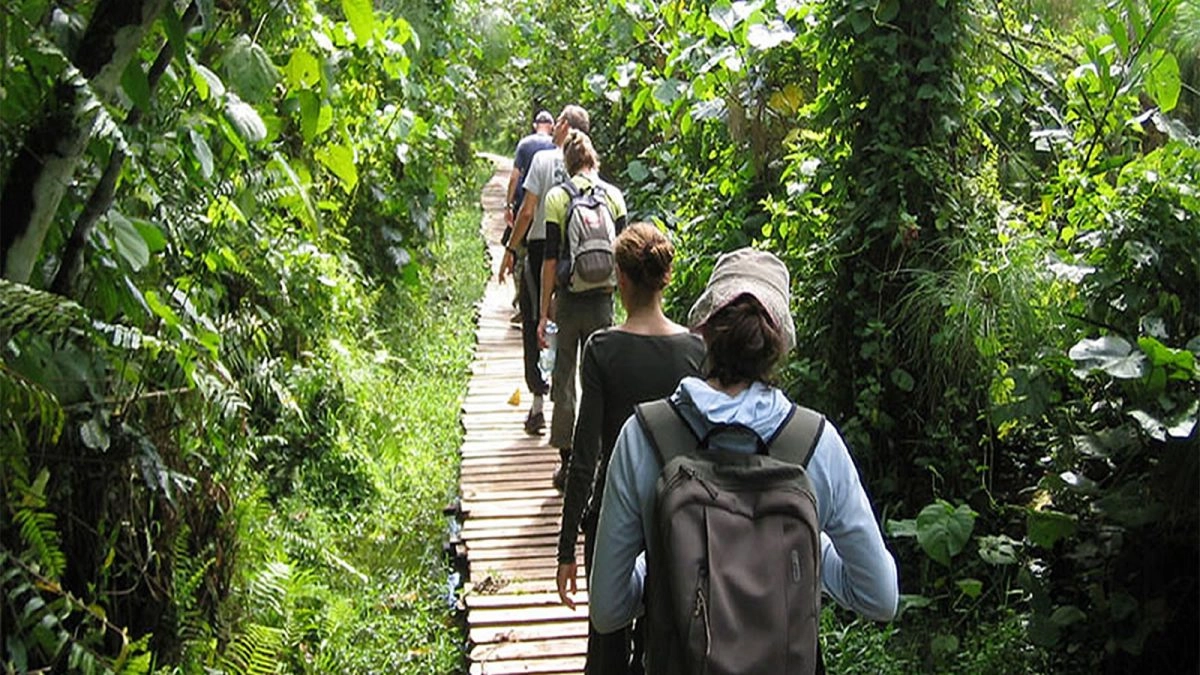
In the landscapes of East Africa lies a country where rolling hills, mist-covered mountains, ancient forests, and shimmering savannahs invite travelers to slow down and experience nature with every step. That country is Uganda, often hailed as the Pearl of Africa for its immense natural beauty and biodiversity. While most visitors are drawn to gorilla trekking or game drives, another deeply rewarding way to discover Uganda’s wild treasures is through nature walks and hiking. Unlike faster-paced safaris, walking immerses travelers in the heart of the landscape, allowing the sights, sounds, and scents of the wild to unfold intimately.

To walk in Uganda is to experience a land that is both raw and gentle. Every trail offers a narrative, whether it winds through the dense foliage of a rainforest alive with bird calls, ascends the dramatic slopes of the Rwenzori Mountains, or meanders across golden savannah dotted with acacia trees. Nature walks and hikes here create encounters that cannot be replicated by vehicle: the rustling of monkeys overhead, the sudden flash of a turaco’s wings, or the distant rumble of elephants echoing across the plains. In such moments, the traveler becomes not just an observer but a participant in the rhythms of the wild.

Where to Go

Uganda’s hiking and nature walk destinations are as diverse as its ecosystems. In the Bwindi Impenetrable National Park, famed for its mountain gorillas, nature walks reveal a different perspective of this dense and ancient forest. Trails such as the Munyanga River Walk and the Ivy River Trail lead through verdant undergrowth, where rare birds, butterflies, and primates flourish. While gorilla trekking commands global attention, these quieter walks expose the richness of Bwindi’s biodiversity beyond its famous primates.

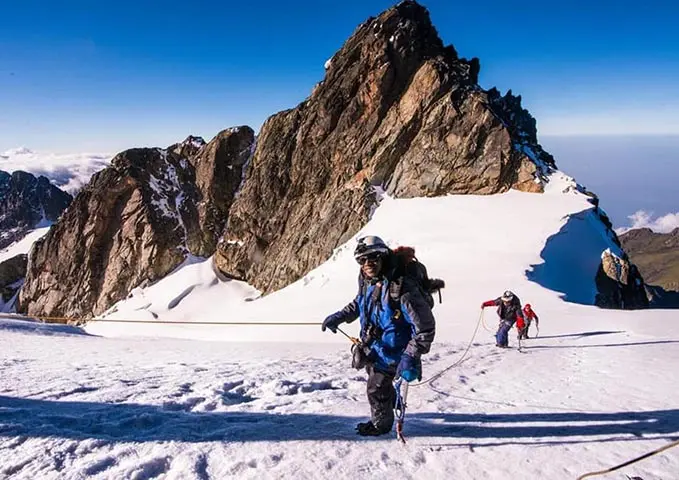
The Rwenzori Mountains, often referred to as the Mountains of the Moon, represent Uganda’s most dramatic hiking destination. Rising to snow-capped peaks that soar above 5,000 meters, the Rwenzoris are a UNESCO World Heritage Site renowned for their unique alpine flora, glacial lakes, and rugged terrain. Multi-day treks, such as the Central Circuit or Kilembe Trail, challenge adventurers with steep climbs and unpredictable weather, yet reward them with breathtaking scenery unmatched elsewhere in Africa. For less demanding experiences, shorter hikes around the foothills introduce visitors to the cultural landscapes and stunning vistas of the region.

In Murchison Falls National Park, nature walks offer the chance to explore savannah plains, riverine forests, and the dramatic gorge carved by the Nile. Guided walks here reveal giraffes grazing on acacias, warthogs scurrying through the grass, and an impressive variety of birdlife. Similarly, Lake Mburo National Park is one of the few parks where guided walks into the wild are permitted, creating opportunities to encounter zebra, impala, and hippos at eye level. Beyond the national parks, the trails of Mount Elgon National Park on Uganda’s eastern border lead to the world’s largest volcanic caldera, with diverse vegetation zones ranging from montane forests to Afro-alpine moorlands. Each location presents its own distinctive atmosphere, ensuring that hiking in Uganda remains endlessly varied and rewarding.

How to Get There

Most nature walk and hiking destinations in Uganda are accessible from Kampala or Entebbe, where Entebbe International Airport serves as the main entry point for international travelers. From here, road journeys lead into the heart of the country, with travel times ranging from a few hours to nearly a day depending on the park.

For those heading to Bwindi Impenetrable National Park, the drive takes between eight and nine hours, passing through scenic highlands and rural communities. Alternatively, domestic flights to Kihihi or Kisoro shorten the journey significantly, allowing faster access to the park’s trailheads. The Rwenzori Mountains are reached through Kasese town, about a six to seven-hour drive from Kampala, with charter flights available for travelers preferring speed and convenience.

Closer to the capital, Lake Mburo National Park can be reached within four hours by road, making it one of the most accessible hiking destinations. Murchison Falls National Park, located in the northwest, requires a five to six-hour drive but rewards travelers with diverse landscapes en route. Mount Elgon National Park, on the eastern frontier near Mbale, involves a drive of roughly five hours, with the added charm of passing through lush farmland and cultural landscapes. Regardless of the route chosen, the journeys themselves are enriched by Uganda’s scenic diversity and frequent glimpses of daily life along the way.

The Experience

The essence of nature walks and hiking in Uganda lies in the closeness it affords to the natural environment. Unlike safaris from vehicles, walking allows the senses to tune into the subtleties of the wilderness. The soft crunch of leaves beneath one’s feet, the sudden alarm calls of monkeys, or the distant echo of waterfalls create moments of deep connection.

In the forests of Bwindi and Kibale, every step reveals a microcosm of life. Orchids cling to ancient trees, butterflies dance in shafts of sunlight, and troops of colobus monkeys leap gracefully overhead. Birdlife, too, thrives in these habitats, from the great blue turaco with its striking plumage to the African green broadbill, one of Uganda’s rarest species. The intimacy of walking trails allows travelers to pause, observe, and reflect in ways that vehicles cannot replicate.

On the slopes of the Rwenzoris or Mount Elgon, the experience is marked by challenge and grandeur. The ascent through different ecological zones—from montane forest to bamboo stands, then to Afro-alpine vegetation—unfolds like a journey through climates compressed into a single mountain. The sight of giant lobelias and everlasting flowers thriving in the high-altitude environment evokes a sense of wonder at nature’s adaptability. The culmination of these treks, whether reaching a glacial lake or standing on a windswept summit, leaves an indelible mark of achievement and awe.

Other Things to Do

While hiking and nature walks form the core of these experiences, Uganda offers an abundance of complementary activities. In Bwindi, the highlight remains gorilla trekking, where intimate encounters with endangered mountain gorillas are life-changing. In Kibale Forest, chimpanzee tracking allows visitors to observe the complex behaviors of our closest relatives. Queen Elizabeth National Park, often combined with hikes around the Rwenzoris, offers classic game drives and boat cruises along the Kazinga Channel, where hippos, elephants, and crocodiles thrive.

Cultural encounters enrich these natural experiences. In the foothills of the Rwenzoris and Mount Elgon, communities welcome visitors to learn about traditional farming practices, local crafts, and music. The Bagisu people near Mount Elgon are renowned for their imbalu circumcision ceremonies, while communities near Bwindi share their Batwa heritage through storytelling and performances. These cultural dimensions create a fuller picture of Uganda, blending natural beauty with human history and tradition.

For adventure seekers, Uganda extends beyond walking trails. White-water rafting on the Nile at Jinja, sport fishing on Lake Victoria, and mountain biking around crater lakes provide thrilling alternatives. Each activity complements the slower rhythm of hiking, ensuring that Uganda appeals to both those seeking serenity and those craving excitement.

Best Time to Visit

Nature walks and hiking in Uganda are possible throughout the year, though the experience is shaped by the country’s alternating dry and wet seasons. The dry seasons, which span from December to February and from June to September, are considered the most favorable for hiking. Trails remain more manageable, river crossings are easier, and mountain routes such as those in the Rwenzoris are less treacherous. Wildlife viewing is also enhanced during this time, as animals gather around remaining water sources.

The wet seasons, occurring from March to May and October to November, transform Uganda into a lush, green paradise. While rain showers can make trails slippery and mountain ascents more challenging, these months reward visitors with vibrant scenery, abundant birdlife, and fewer crowds. Forest walks during the rains are particularly atmospheric, with mist drifting through the trees and the forest alive with the calls of breeding birds.

Ultimately, the choice of timing depends on the traveler’s priorities. Those seeking easier treks and classic safari conditions may prefer the dry months, while those drawn to lush landscapes and solitude may find the wet seasons equally rewarding. Uganda’s varied ecosystems ensure that hiking and walking experiences remain memorable in every season.

A Trek That Transforms

The privilege of hiking through Uganda’s fragile ecosystems brings with it the responsibility of practicing responsible travel. Respecting wildlife is paramount, which means observing animals from safe distances, keeping noise to a minimum, and refraining from disrupting their natural behaviors. Staying on designated trails prevents erosion and protects sensitive habitats, particularly in montane and forest environments.

Environmental awareness extends to simple but impactful actions, such as reducing single-use plastics, carrying reusable water bottles, and supporting eco-friendly lodges that prioritize sustainability. Travelers are encouraged to respect local customs and communities by engaging with cultural experiences thoughtfully and purchasing locally made products, thereby ensuring that tourism benefits extend directly to the people who live alongside Uganda’s parks.

By traveling responsibly, visitors contribute to the long-term preservation of Uganda’s landscapes and wildlife. Each step taken mindfully strengthens the connection between tourism, conservation, and community empowerment, ensuring that the wonders of Uganda’s trails remain intact for generations to come.

Travel with Confidence

Nature walks and hiking in Uganda open a door to experiences that go beyond the surface of safari adventures. They immerse travelers in the country’s varied ecosystems, from the dense forests of Bwindi to the lofty peaks of the Rwenzoris, from the volcanic slopes of Mount Elgon to the golden savannahs of Lake Mburo. Every step on these trails reveals something new—an unexpected bird call, a hidden waterfall, a cultural story shared by local guides. These journeys are not simply about reaching destinations but about embracing the journey itself, with all the richness and surprises it offers.

For those seeking an African adventure that combines intimacy, discovery, and a sense of connection with both nature and people, Uganda’s hiking and walking trails are unmatched. They offer tranquility and challenge, immersion and perspective, ensuring that every traveler leaves with memories carved deeply into their spirit.

To embark on such extraordinary adventures, travelers are encouraged to book their Africa tours and safaris with WildHorn Africa, a trusted partner committed to creating authentic, responsible, and unforgettable journeys across Uganda and beyond.

Together We Build your dream holiday
Customize your experience
Customize

Rwenzori Mountains National Park

Hiking at Rwenzori Mountains National Park offers a thrilling adventure through misty forests, alpine meadows, and rugged glacier peaks. Trekkers encounter diverse wildlife, rare plants, and breathtaking scenery along the trails. The challenging routes, including the climb to Margherita Peak, reward hikers with some of Africa’s most stunning views.

Murchison Falls National Park

Hiking to the top of Murchison Falls remains one of the most thrilling experiences in the park, and it is often included in bucket list holidays and climbing & hiking holidays. The dramatic force of the Nile surging through the narrow gorge is a sight to behold and is frequently sought out by those on special holidays or solo holidays seeking unforgettable moments in nature.

Queen Elizabeth National Park

Queen Elizabeth National Park offers rewarding hiking opportunities that immerse visitors in its diverse landscapes, from savannah plains to the dramatic Kyambura Gorge. Guided walks reveal close encounters with primates, birds, and unique vegetation often missed on game drives. These hikes provide a slower, more intimate way of experiencing one of Uganda’s most iconic parks.

Ziwa Rhino Sanctuary

Ziwa Rhino Sanctuary is not only famed for rhino tracking but also offers enriching nature walks that unveil its broader ecosystem. Accompanied by experienced guides, visitors explore woodlands, swamps, and savannah plains where abundant birdlife, antelopes, and small primates thrive. These walks create a peaceful yet educational experience, showcasing the sanctuary’s vital role in conservation while allowing travelers to connect deeply with Uganda’s natural heritage.

Mount Elgon National Park

Mount Elgon National Park is a captivating destination located on the eastern border of Uganda and Kenya, centered around the extinct volcanic mountain, Mount Elgon. Known for its vast caldera, scenic waterfalls, and biodiversity, the park is a hidden gem for hikers, birdwatchers, and nature lovers. It is home to Wagagai Peak (4,321 m), Uganda’s second-highest peak and one of East Africa’s most accessible climbs.

Grandeur

Experience the grandeur of Africa with WildHorn Africa, where every safari is designed to showcase the continent’s breathtaking landscapes and majestic wildlife.

24/7 support

Enjoy peace of mind with 24/7 support from WildHorn Africa, ensuring expert assistance before, during, and after your safari adventure.

Safety

Your safety is our top priority at WildHorn Africa, with expertly guided safaris and trusted partners ensuring a secure and worry-free adventure.

Price-quality ratio

WildHorn Africa offers exceptional price-quality ratio, delivering top-tier safari experiences at competitive rates without compromising on comfort.

Bird Watching in Uganda

Bird Watching in Uganda

By Uganda travel guides

Bird Watching in Uganda 

In the heart of East Africa lies a destination where every sunrise awakens a chorus of winged wonders, where lush forests, vast savannahs, shimmering lakes, and winding rivers serve as a stage for one of the most captivating natural performances on the continent. This destination is Uganda, a country often celebrated for its gorillas and wildlife safaris but equally deserving of global recognition as a birdwatcher’s paradise. Home to more than 1,080 bird species, Uganda boasts nearly half of Africa’s birdlife and over ten percent of the world’s total, making it one of the richest and most rewarding birding locations on earth.

Bird watching in Uganda is not a hurried pursuit. It is an immersive journey into varied ecosystems where endemic, rare, and migratory species thrive side by side. The country’s unique position at the crossroads of the East African savannah, Central African rainforest, and Albertine Rift Valley creates habitats that sustain remarkable avian diversity. From the elusive shoebill stork lurking in papyrus swamps to the dazzling great blue turaco gliding through forest canopies, every expedition promises encounters that inspire wonder and deepen appreciation for the natural world.

To set out on a bird watching adventure in Uganda is to step into a realm where silence is broken by melodic calls, wings flash against the green backdrop, and every sighting feels like a discovery. Whether drifting through wetlands, trekking forest trails, or exploring savannah plains, visitors soon realize that Uganda’s avian life is not simply observed; it is experienced with all senses.

Where to Go

Uganda’s bird watching destinations are as varied as the species they host, offering experiences that cater to both dedicated ornithologists and casual nature enthusiasts. The Bwindi Impenetrable National Park is perhaps the crown jewel of forest birding, renowned not only for its mountain gorillas but also for its rich bird diversity. Here, over 350 species thrive, including 23 Albertine Rift endemics such as the handsome francolin, the regal sunbird, and the dusky crimsonwing. The dense forest trails echo with the calls of colorful turacos and warblers, making every hike a sensory spectacle.

In the open savannahs of Queen Elizabeth National Park, bird watching takes on a different character. The park is home to over 600 recorded species, among the highest of any protected area in Africa. From the shores of the Kazinga Channel, where African fish eagles patrol the skies and pied kingfishers hover above the waters, to the expansive Ishasha sector, where vultures and storks gather in the company of tree-climbing lions, the diversity here is breathtaking. The mixture of wetland, woodland, and grassland habitats ensures an endless array of sightings.

For those seeking a chance to encounter Uganda’s most iconic bird, the shoebill stork, the Mabamba Bay Wetland near Entebbe is the most reliable location. This vast papyrus swamp harbors several pairs of the prehistoric-looking bird, whose massive bill and solitary nature make it a prized sighting among birders worldwide. Beyond Mabamba, the Murchison Falls National Park and its Nile River waters host over 450 species, while Kibale National Park, known for chimpanzee tracking, delights birders with the African grey parrot, green-breasted pitta, and many forest specialists. Each of these destinations presents a unique aspect of Uganda’s avian wealth, ensuring that no two birding excursions are ever the same.

How to Get There

Reaching Uganda’s bird watching hotspots is an adventure in itself, guided by a well-connected network of roads and regional flights. Most journeys begin in Kampala or Entebbe, where Entebbe International Airport welcomes travelers from across the globe. From here, birding excursions can be tailored to suit time and preference, with options ranging from day trips to Mabamba Swamp to multi-day expeditions into the Albertine Rift.

Travel to Bwindi Impenetrable National Park involves a scenic drive of approximately eight to nine hours from Kampala, passing through rolling hills, tea plantations, and vibrant towns that provide a glimpse into Uganda’s cultural landscape. Alternatively, domestic flights to Kihihi or Kisoro shorten the journey and allow quicker access to the park’s birding trails. Queen Elizabeth National Park lies about six to seven hours from Kampala by road, with well-maintained highways making the trip accessible, while scheduled flights to Kasese offer faster entry for those seeking convenience.

Closer to the capital, the Mabamba Bay Wetland is reached in just over an hour by road from Entebbe, making it a popular choice for day excursions. The Murchison Falls National Park, located in northwestern Uganda, requires a five to six-hour drive or a short flight to airstrips within the park. Regardless of the destination, the journeys themselves are part of the experience, revealing Uganda’s scenic diversity and offering spontaneous birding opportunities along the way.

The Experience

Bird watching in Uganda is an experience of contrasts and surprises. In the forests, the atmosphere is hushed, with shafts of light piercing the canopy as elusive species flit between branches. The thrill of spotting an Albertine Rift endemic after hours of patient searching is matched only by the joy of hearing the resonant call of a turaco echoing across the valley. The birding trails, often shared with primates like colobus monkeys or the occasional gorilla family, create a sense of connection with nature that is both profound and humbling.

On the wetlands and waterways, the experience takes on a different rhythm. Canoe and boat trips glide through papyrus channels alive with weavers, herons, and kingfishers. The anticipation of spotting a shoebill stork among the reeds heightens every moment, and when its enormous silhouette finally emerges, it feels like witnessing a relic from another age. Along the Kazinga Channel, birders are rewarded with flocks of pelicans, open-billed storks, and African skimmers sharing space with hippos and crocodiles, creating a scene of raw African wilderness.

In the savannahs, the scale of bird watching expands. Raptors soar overhead, ground hornbills stride across the grasslands, and bee-eaters flash brilliant colors as they dart after insects. The sheer diversity ensures that every outing produces surprises, whether it is a flock of crowned cranes, Uganda’s national bird, dancing in synchrony, or a rare sighting of the secretary bird striding elegantly across the plains. The experience of bird watching in Uganda is never static; it is a constantly unfolding journey that delights both novice enthusiasts and seasoned ornithologists.

Other Things to Do

Although bird watching alone justifies a journey to Uganda, the country offers a wealth of experiences that complement avian exploration. Gorilla trekking in Bwindi Impenetrable National Park remains one of the world’s most sought-after wildlife encounters, while chimpanzee tracking in Kibale Forest brings visitors face-to-face with our closest relatives in their natural habitat. Game drives in Queen Elizabeth and Murchison Falls National Parks showcase lions, leopards, elephants, and giraffes, providing a more complete safari adventure.

Cultural experiences enrich the journey further. Visits to local communities allow travelers to engage with Uganda’s diverse cultures, learning traditional crafts, music, and dance. Encounters with fishing villages along Lake Victoria or tea-growing communities in western Uganda add depth to the birding experience by revealing the human stories woven into the landscapes.

Adventure seekers may find exhilaration in activities such as white-water rafting on the Nile near Jinja, climbing the snow-capped peaks of the Rwenzori Mountains, or embarking on sport fishing expeditions on Uganda’s great lakes. Each of these pursuits offers a different perspective of the country, ensuring that every traveler finds fulfillment beyond bird watching.

Best Time to Visit

Bird watching in Uganda is a year-round activity, though certain periods provide particularly rewarding experiences. The dry seasons, from December to February and June to September, are generally considered the best times for birding. During these months, the weather is more predictable, trails are easier to navigate, and wildlife, including birds, is concentrated around water sources. Clear skies also enhance photography, ensuring vivid captures of Uganda’s avian beauty.

The wet seasons, from March to May and October to November, hold their own appeal. The rains transform the landscapes into lush, green havens that attract migratory birds, significantly enriching the diversity of sightings. Forest birding can be especially productive during these months, though trails may become muddy and some access roads more challenging. For dedicated birders, the opportunity to witness breeding behaviors and an abundance of species makes the effort worthwhile.

Ultimately, the best time depends on personal preference. Travelers seeking comfort and classic safari conditions may prefer the dry months, while those looking for a quieter, greener environment with exceptional bird activity may find the wet seasons more rewarding. In every season, Uganda’s birding landscapes provide exceptional encounters that remain etched in memory.

A Trek That Transforms

The privilege of bird watching in Uganda comes with a responsibility to ensure that these fragile ecosystems remain protected for generations to come. Responsible travel begins with respecting the environment: keeping noise to a minimum, avoiding disturbance to birds and their habitats, and adhering to the guidance of expert birding guides. Simple practices such as refraining from littering, staying on designated trails, and using eco-friendly products contribute significantly to conservation efforts.

Supporting local communities is another essential aspect of responsible birding. Choosing locally owned lodges, hiring community guides, and purchasing handicrafts directly from artisans ensures that the benefits of tourism extend beyond the parks. This approach fosters goodwill and strengthens the link between conservation and community well-being.

Above all, travelers are encouraged to embrace a spirit of stewardship. Bird watching in Uganda is not only about ticking species off a list but also about appreciating the delicate balance of ecosystems and contributing to their preservation. Through thoughtful choices, every visitor becomes a partner in safeguarding Uganda’s extraordinary avian heritage.

Travel with Confidence

Bird watching in Uganda is more than a recreational pursuit; it is an immersion into a world of unparalleled biodiversity, where every ecosystem tells a different story and every sighting carries significance. From the dense forests of Bwindi to the papyrus swamps of Mabamba, from the vast savannahs of Queen Elizabeth to the roaring Nile of Murchison Falls, Uganda reveals itself as one of the world’s premier birding destinations. The abundance, diversity, and accessibility of species make it a place where both novice and seasoned birders can find fulfillment.

For those seeking an African journey that combines tranquility, discovery, and adventure, Uganda’s bird watching experiences promise memories that linger long after the journey ends. The country’s landscapes, enriched by its wildlife and people, provide not just sightings but profound connections with nature.

To begin this extraordinary journey into Uganda’s avian world, travelers are encouraged to book their Africa tours and safaris with WildHorn Africa, a trusted provider dedicated to crafting authentic, responsible, and unforgettable adventures.

Together We Build your dream holiday
Customize your experience
Customize

Murchison Falls National Park

Murchison Falls National Park is Uganda’s largest and oldest conservation area, renowned for its breathtaking waterfall, classic wildlife safaris, and the mighty Nile River. This park offers an unforgettable blend of dramatic scenery, diverse ecosystems, and abundant wildlife, making it a must-visit destination for nature lovers and adventure seekers.

Queen Elizabeth National Park

Queen Elizabeth National Park is Uganda’s most popular and scenic savannah park, famed for its rich diversity of wildlife, stunning landscapes, and varied ecosystems. Situated in western Uganda, this iconic park offers visitors the chance to experience classic African safaris, birdwatching, crater lakes, boat cruises, and cultural interactions—all in one destination.

Kibale National Park

Bird Watching
With over 375 bird species, Kibale is a paradise for birdwatchers. Key species include: Green-breasted pitta (a rare endemic), African grey parrot, Great blue turaco, Yellow-spotted barbet, and Black bee-eater.

Birding is best in the early morning along the forest trails and wetlands

Bwindi Impenetrable National Park

Bird Watching
Bwindi is a birdwatcher’s paradise, boasting over 350 bird species, including 23 Albertine Rift endemics such as the African Green Broadbill, Shelley’s Crimsonwing, and Grauer’s Rush Warbler. Birding trails can be found in Buhoma and Ruhija.

Mabamba Swamp

While the shoebill is the star attraction, Mabamba’s true magic lies in its astonishing diversity. Over 300 species of birds have been recorded here, including African pygmy geese, papyrus gonoleks, malachite kingfishers, blue-breasted bee-eaters, and swamp flycatchers. This rich avian population has made the swamp a centerpiece in Uganda’s special holidays and private holidays crafted specifically for eco-conscious travelers and nature photographers.

Semuliki National Park

Bird Watching
With over 440 bird species, Semuliki is one of the top birding destinations in Uganda, especially for Congo-forest species not found elsewhere in East Africa. Notable species include: Nkulengu rail, White-crested hornbill, Yellow-throated cuckoo, Red-billed dwarf hornbill, and Lyre-tailed honeyguide.

Many of these are Albertine Rift endemics or Central African specialties.

Grandeur

Experience the grandeur of Africa with WildHorn Africa, where every safari is designed to showcase the continent’s breathtaking landscapes and majestic wildlife.

24/7 support

Enjoy peace of mind with 24/7 support from WildHorn Africa, ensuring expert assistance before, during, and after your safari adventure.

Safety

Your safety is our top priority at WildHorn Africa, with expertly guided safaris and trusted partners ensuring a secure and worry-free adventure.

Price-quality ratio

WildHorn Africa offers exceptional price-quality ratio, delivering top-tier safari experiences at competitive rates without compromising on comfort.

Boat Safaris in Uganda

Boat Safaris in Uganda

By Travel guides, Uganda travel guides

Boat Safaris in Uganda 

Few experiences in Africa are as enchanting and immersive as a boat safari in Uganda. While game drives across golden savannahs and gorilla trekking in misty highlands often take the spotlight, it is on the glistening waters of Uganda’s lakes and rivers that nature unveils its most tranquil yet dramatic spectacles. The gentle rhythm of the water, the mirrored skies, and the unhurried pace create an encounter that is both intimate and majestic. Uganda, often referred to as the Pearl of Africa, has harnessed its rich waterways to offer visitors a perspective unlike any other—one that combines leisure with an unrivaled display of wildlife. On a boat safari, the world of hippos, crocodiles, elephants, and an extraordinary variety of birds comes alive in ways that land excursions rarely allow.

A journey on the waters of Uganda is never hurried. The boat glides past papyrus swamps, sandy banks, and forested shorelines, where animals gather naturally to drink, feed, and rest. The safari boat becomes more than just transport; it transforms into a moving observatory, immersing travelers in an ecosystem that is vibrant, layered, and profoundly peaceful. In these encounters, the boundaries between observer and the observed dissolve, and the magic of Uganda is felt with remarkable clarity.

Where to Go

Boat safaris in Uganda can be experienced in several iconic destinations, each presenting its own unique character and wildlife richness. The Nile River and the shores of Lake Victoria form the heart of these experiences, yet the diversity extends well beyond them, reaching the great lakes and hidden waterways scattered across the country.

Perhaps the most famous of them all is the Kazinga Channel in Queen Elizabeth National Park, a natural waterway that stretches for nearly 40 kilometers, linking Lake George and Lake Edward. This channel hosts one of the densest concentrations of hippos in the world. On its shores, elephants gather in large herds while buffalo, waterbuck, and crocodiles dominate the landscape. Bird enthusiasts find the Kazinga Channel especially rewarding, as more than 600 species have been recorded in the park, with countless sightings occurring along the channel’s banks.

Equally iconic is the Nile River at Murchison Falls National Park, where the longest river on earth demonstrates both its serenity and its fury. The boat journey upstream toward the base of the falls is nothing short of dramatic. The placid waters are dotted with pods of hippos and sunbathing crocodiles until the river narrows, churns, and roars into a thunderous cataract at the foot of the cliffs. This spectacle offers not only extraordinary wildlife sightings but also one of the most powerful natural displays in Africa.

The tranquil waters of Lake Mburo National Park present a more intimate experience. Smaller and less crowded than the major parks, Lake Mburo offers sightings of hippos, crocodiles, and a remarkable diversity of birds, including the African fish eagle, the pied kingfisher, and the elusive African finfoot. The park’s proximity to Kampala makes it a favored option for travelers seeking a shorter yet equally memorable safari.

Beyond the traditional safari parks, the expanses of Lake Victoria, the world’s largest tropical lake, open another dimension of exploration. Here, boat excursions may combine wildlife encounters with cultural experiences, fishing expeditions, or even journeys to the Ssese Islands, where forested landscapes meet sandy shores. In all these locations, the Ugandan waterscape presents an arena where wildlife, culture, and breathtaking scenery merge seamlessly.

How to Get There

Reaching the boat safari destinations of Uganda is made possible by a network of roads and airstrips that connect the country’s capital, Kampala, and Entebbe International Airport with the national parks and lakes. Most journeys begin in Kampala or Entebbe, from where travelers embark on road trips that range from a few hours to nearly a day, depending on the destination.

To access the Kazinga Channel, travelers typically drive to Queen Elizabeth National Park, located in western Uganda. The journey takes between six and seven hours by road, traversing rolling hills, tea plantations, and scenic landscapes that make the trip as engaging as the destination. Alternatively, domestic flights can be arranged to nearby airstrips such as Mweya or Kasese, significantly reducing travel time.

Murchison Falls National Park, home to the Nile boat safaris, is situated in northwestern Uganda. The drive from Kampala covers approximately 300 kilometers and takes about five to six hours. Along the way, the changing scenery, from bustling towns to lush countryside, offers glimpses of Ugandan daily life. Flights to Pakuba or Bugungu airstrips provide a quicker alternative for those seeking convenience.

Lake Mburo National Park, by contrast, lies just a few hours from Kampala, making it highly accessible. The shorter journey makes it an attractive destination for travelers with limited time, or those wishing to combine multiple experiences within a single itinerary.

For Lake Victoria excursions, the proximity of Kampala and Entebbe to the lake ensures that access is effortless. Boats and ferries depart from several points along the shore, opening opportunities for both short trips and extended lake explorations. In all cases, reaching Uganda’s water safari destinations is a journey through varied landscapes, ensuring that the adventure begins long before the boat departs.

The Experience

The essence of a Ugandan boat safari lies not only in what is seen but in how it is experienced. The gentle hum of the boat engine blends with the calls of fish eagles, the grunts of hippos, and the rustling of reeds along the shoreline. The pace is unhurried, allowing moments to unfold naturally and wildlife encounters to be savored without intrusion.

Wildlife sightings are frequent and often dramatic. Families of elephants can be observed as they drink at the water’s edge, calves splashing playfully under the watchful eyes of their mothers. Buffalo wallow in the mud, crocodiles lie in wait with ancient patience, and hippos surface in rhythmic intervals, exhaling with distinctive snorts. Birds, perhaps the most captivating element of a Ugandan boat safari, transform the skies and banks into a living tapestry. From the dazzling malachite kingfisher to the rare shoebill stork, the diversity of avian life is unparalleled.

The experience of approaching Murchison Falls by boat adds another layer of grandeur. The tranquil river, alive with wildlife, narrows into a dramatic gorge where the Nile crashes through a seven-meter gap in the rock with unrelenting power. The spray, the roar, and the sight of the river exploding into mist create a moment that is both humbling and unforgettable.

On Lake Victoria, the experience expands beyond wildlife. The vastness of the lake, stretching to the horizon, evokes an almost oceanic feeling. Fishing communities dot the shores, offering cultural encounters that enrich the safari. The Ssese Islands, with their tropical charm, introduce an entirely different rhythm, where relaxation and exploration blend harmoniously.

Every boat safari in Uganda is marked by a sense of intimacy. Unlike the sometimes distant views on game drives, animals here are often encountered at close quarters, with the safety of the boat ensuring both proximity and respect for their natural behavior. This intimacy makes the experience deeply memorable, leaving impressions that linger long after the journey ends.

Other Things to Do

While boat safaris form the highlight of many itineraries, Uganda offers a multitude of complementary experiences that enrich a traveler’s journey. Game drives across the savannah plains of Queen Elizabeth and Murchison Falls National Parks reveal lions, leopards, and large herds of antelope. Gorilla trekking in Bwindi Impenetrable National Park provides one of the most profound wildlife encounters on earth, while chimpanzee tracking in Kibale Forest brings visitors face-to-face with our closest relatives.

Cultural experiences further enhance the journey, with opportunities to interact with local communities, learn traditional crafts, or witness performances of music and dance. Uganda’s cultural mosaic is as diverse as its landscapes, and engaging with it provides insight into the heart of the nation.

Adventure seekers may also engage in activities such as white-water rafting on the Nile near Jinja, mountain hiking in the Rwenzori ranges, or sport fishing on the lakes. Each of these activities complements the tranquility of a boat safari, ensuring that Uganda delivers a rounded and unforgettable safari experience.

Best Time to Visit

Boat safaris in Uganda can be enjoyed throughout the year, yet the experience is shaped by the country’s two distinct seasons. The dry seasons, which run from December to February and from June to September, are considered the most favorable. During these months, wildlife congregates around water sources, making sightings along rivers and lakes especially rewarding. Clear skies and calmer waters also enhance the comfort and visibility of the boat excursions.

The wet seasons, from March to May and from October to November, present their own unique charm. The landscapes are lush and vibrant, birdlife flourishes, and the atmosphere carries a freshness that is deeply appealing. While some roads may become more challenging to navigate and occasional rain showers may interrupt excursions, the rewards of fewer crowds and a flourishing ecosystem often outweigh the inconveniences.

Ultimately, the best time depends on personal preferences. Whether one seeks the abundance of wildlife during the dry season or the vibrancy and solitude of the wet months, Uganda’s boat safaris remain captivating year-round.

A Trek That Transforms

The privilege of experiencing Uganda’s waterways and wildlife carries with it a responsibility to protect and preserve them. Responsible travel ensures that the beauty and richness of these ecosystems endure for future generations. Travelers are encouraged to respect wildlife by maintaining safe distances, minimizing noise, and avoiding actions that could disturb natural behaviors.

Environmental sensitivity is equally important. Avoiding single-use plastics, supporting eco-conscious lodges, and participating in conservation initiatives contribute meaningfully to the preservation of Uganda’s natural heritage. Engaging with local communities in respectful and sustainable ways ensures that tourism benefits extend beyond the parks, enriching lives and fostering cultural exchange.

By choosing responsible practices, travelers not only enhance their own experiences but also play a vital role in safeguarding Uganda’s unparalleled natural treasures.

Travel with Confidence

A boat safari in Uganda is more than an excursion; it is an immersion into a world where water, wildlife, and wilderness meet in harmonious splendor. From the hippo-filled channels of Queen Elizabeth National Park to the thunderous Nile at Murchison Falls, from the serene waters of Lake Mburo to the vast horizons of Lake Victoria, Uganda’s waterways reveal the soul of the country in a way that no land safari can fully capture.

For travelers seeking an African journey that is both tranquil and thrilling, intimate and awe-inspiring, Uganda’s boat safaris offer an unforgettable experience. The gentle drift along the water, the close encounters with wildlife, and the immersion in unspoiled landscapes ensure that the memories created will endure for a lifetime.

To embark on this extraordinary adventure, travelers are encouraged to book their Africa tours and safaris with WildHorn Africa, a trusted provider dedicated to crafting authentic and memorable journeys across Uganda and beyond.

Together We Build your dream holiday
Customize your experience
Customize

Murchison Falls National Park

Murchison Falls National Park is Uganda’s largest and oldest conservation area, renowned for its breathtaking waterfall, classic wildlife safaris, and the mighty Nile River. This park offers an unforgettable blend of dramatic scenery, diverse ecosystems, and abundant wildlife, making it a must-visit destination for nature lovers and adventure seekers.

Queen Elizabeth National Park

Queen Elizabeth National Park is Uganda’s most popular and scenic savannah park, famed for its rich diversity of wildlife, stunning landscapes, and varied ecosystems. Situated in western Uganda, this iconic park offers visitors the chance to experience classic African safaris, birdwatching, crater lakes, boat cruises, and cultural interactions—all in one destination.

Lake Mburo National Park

Lake Mburo National Park is a hidden gem among Uganda’s national parks, offering a unique blend of wildlife viewing, scenic landscapes, and cultural experiences. Located in the country’s western region, it is the closest savannah park to Kampala and Entebbe, making it a popular stopover for travelers heading to or from southwestern Uganda.

Mabamba Swamp

Tucked away on the northern shores of Lake Victoria, just a short drive west of Uganda’s capital Kampala, Mabamba Swamp has quietly emerged as one of the most rewarding ecological destinations in East Africa. Despite its understated fame compared to Uganda’s iconic national parks, this vast wetland ecosystem has been increasingly included in specialized travel itineraries for those seeking birding holidaysphotography holidays, and off the beaten holidays.

Lake Bunyonyi

Lake Bunyonyi, the “place of many little birds,” a destination that whispers timeless beauty and carries the gentle pulse of ancient history. As Uganda’s most scenic and tranquil lake, Lake Bunyonyi is a haven for dreamers, adventurers, romantics, and cultural explorers—a place where the air is fresh, the waters still, and the heart feels undeniably at peace.

Grandeur

Experience the grandeur of Africa with WildHorn Africa, where every safari is designed to showcase the continent’s breathtaking landscapes and majestic wildlife.

24/7 support

Enjoy peace of mind with 24/7 support from WildHorn Africa, ensuring expert assistance before, during, and after your safari adventure.

Safety

Your safety is our top priority at WildHorn Africa, with expertly guided safaris and trusted partners ensuring a secure and worry-free adventure.

Price-quality ratio

WildHorn Africa offers exceptional price-quality ratio, delivering top-tier safari experiences at competitive rates without compromising on comfort.

Game Drives & Big Five in Uganda

Game Drives & Big Five in Uganda

By Travel guides, Uganda travel guides

Game Drives & Big Five in Uganda 

Uganda, often celebrated as the Pearl of Africa, is a land of extraordinary contrasts, where endless savannahs meet lush rainforests and snow-capped mountains rise above shimmering lakes. Among its many attractions, game drives remain one of the most exhilarating ways to explore the country’s wild treasures. The search for the Big Five (lion, leopard, elephant, buffalo, and rhinoceros) has long been a defining feature of African safaris, and Uganda presents unique opportunities to encounter these magnificent animals in their natural habitats. Unlike in some destinations where wildlife is confined to specific regions, Uganda offers a diverse range of ecosystems, ensuring every game drive feels distinct and rewarding. The experience is not only about spotting the Big Five but also about immersing oneself in the breathtaking landscapes and the vibrant biodiversity that defines Uganda’s protected areas.

Game drives in Uganda take travelers beyond mere wildlife sightings; they allow one to witness raw, untamed wilderness unfolding before the eyes. The anticipation of scanning the horizon, the thrill of hearing distant roars or the rustle of a herd in the grass, and the satisfaction of seeing wildlife behavior up close create memories that last a lifetime. The Big Five remain the most sought-after, but Uganda’s parks also offer abundant encounters with antelopes, giraffes, zebras, hippos, and countless bird species. Each drive brings forth the opportunity for surprise, ensuring that no two experiences are ever the same.

Where to Go

Uganda is home to several protected areas that are ideal for game drives, with Murchison Falls National Park standing as the country’s largest and most iconic safari destination. The park’s sweeping savannahs, bisected by the mighty River Nile, offer excellent chances of encountering lions stalking their prey, elephants grazing in herds, and buffalo wandering near the riverbanks. Its dramatic backdrop of the thundering Murchison Falls adds an element of grandeur that few other safari locations can match.

Further south lies Queen Elizabeth National Park, Uganda’s most popular reserve, famed for its varied landscapes ranging from open grasslands to crater lakes and wetlands. It is here that the elusive leopard may be spotted resting on the branches of ancient fig trees, while large herds of elephants and buffalos roam the Kasenyi plains. The Ishasha sector of Queen Elizabeth is particularly renowned for its rare tree-climbing lions, a sight that is both iconic and uniquely Ugandan.

For travelers seeking the full Big Five, Ziwa Rhino Sanctuary completes the experience. Situated conveniently between Kampala and Murchison Falls, it is the only place in Uganda where rhinos can be seen in the wild. Combined with the other parks, it ensures that all five of Africa’s legendary animals can be encountered within Uganda’s borders. Smaller yet rewarding destinations such as Lake Mburo National Park and Kidepo Valley National Park also offer spectacular drives, each with distinct wildlife highlights and landscapes.

How to Get There

Reaching Uganda’s safari destinations is relatively straightforward, with Entebbe International Airport serving as the primary gateway for international visitors. From here, domestic flights operated by regional carriers connect to airstrips near key parks such as Pakuba in Murchison Falls, Kasese for Queen Elizabeth, and Apoka for Kidepo Valley. These flights save time and provide scenic aerial views of Uganda’s diverse terrain.

For those who prefer overland travel, Uganda’s road network offers rewarding journeys, often passing through rural villages and stunning countryside before arriving at the parks. Traveling by road allows one to experience the landscapes gradually, giving a sense of Uganda’s character beyond the national parks. Transfers are usually arranged by tour operators, ensuring comfort and safety while en route to the safari destinations. Whether by road or air, the journey itself often feels like part of the adventure, preparing travelers for the wonders that await on the game drives.

The Experience

Game drives in Uganda typically take place in the early morning or late afternoon, when wildlife is most active. The excitement begins the moment the safari vehicle ventures onto the open savannah, where the golden light of dawn illuminates the grasslands. Each drive is guided by professional rangers whose knowledge of animal behavior and the landscape enriches the experience. The first sight of a lion pride resting under the shade of an acacia tree or elephants moving in stately procession across the plains fills the air with awe.

The Big Five dominate the imagination, yet the experience is made even richer by the countless other animals encountered. Herds of Uganda kob leap gracefully through the grass, giraffes browse at treetops, and warthogs scurry past in comical fashion. Birdlife adds another dimension, with Uganda boasting more than 1,000 species, including fish eagles, kingfishers, and the rare shoebill stork. The sense of unpredictability ensures that every game drive is thrilling, as no one knows what lies just beyond the next bend.

Night drives, offered in select parks, provide an additional layer of excitement. The chance to see nocturnal animals such as leopards on the hunt, hyenas scavenging, or bush babies leaping between trees creates an entirely different atmosphere. The wilderness feels alive in every moment, immersing travelers in the rhythms of nature.

Other Things to Do

While game drives remain central to Uganda’s safari experience, visitors often enrich their journeys by engaging in other activities. Boat safaris on the Kazinga Channel in Queen Elizabeth and the Nile in Murchison Falls offer unique perspectives on wildlife, particularly hippos, crocodiles, and elephants gathering at the water’s edge. These experiences complement the drives, allowing for close encounters in tranquil settings.

Guided nature walks are available in several parks, including Lake Mburo and Kidepo Valley, where the smaller wonders of the ecosystem can be appreciated. Walking safaris provide a more intimate connection with the environment, from tracking animal footprints to discovering medicinal plants used by local communities. Cultural encounters also play an important role, as neighboring communities share traditions, music, and stories that highlight the deep relationship between people and the natural world.

By combining game drives with these other experiences, travelers gain a fuller understanding of Uganda’s rich natural and cultural heritage, ensuring that the safari is both diverse and deeply rewarding.

Best Time to Visit

Uganda’s national parks can be visited year-round, but the dry seasons from June to September and December to February are generally considered the best times for game drives. During these months, wildlife is easier to spot as animals gather around water sources and vegetation is less dense. The dry conditions also make the roads within the parks more accessible, enhancing the overall safari experience.

The rainy seasons, from March to May and October to November, transform the landscape into a lush green paradise. While drives can be more challenging due to muddy tracks, the scenery is breathtaking, and fewer tourists mean quieter, more exclusive encounters with wildlife. Birdwatching is particularly rewarding during the rains, as migratory species flock to Uganda, adding to the country’s already impressive avian diversity.

Ultimately, the choice of when to visit depends on personal preferences. Those who seek easier tracking of the Big Five may prefer the dry months, while those drawn to vibrant landscapes and tranquility may find the wet seasons equally appealing.

A Trek That Transforms

A safari in Uganda is not only about personal enjoyment but also about contributing to conservation and supporting local communities. Visitors are encouraged to travel responsibly by respecting park rules, minimizing environmental impact, and supporting eco-friendly lodges and tour operators. By choosing sustainable options, travelers help protect Uganda’s national parks and the species that inhabit them, ensuring that future generations will also experience their wonder.

Wildlife conservation in Uganda faces challenges such as poaching and habitat loss, but tourism plays a vital role in funding protection and creating incentives for preservation. Engaging with local communities through cultural visits and purchasing locally made crafts also ensures that the benefits of tourism extend beyond the parks. Every responsible choice made by a traveler contributes to the sustainability of Uganda’s wildlife and cultural heritage.

Travel with Confidence

Uganda’s game drives and Big Five safaris offer an unforgettable journey into the heart of Africa’s wilderness. From the sweeping savannahs of Murchison Falls to the dramatic landscapes of Queen Elizabeth and the remote beauty of Kidepo, every park reveals its own unique treasures. The thrill of encountering lions, leopards, elephants, buffalos, and rhinos is amplified by the abundance of other wildlife and the breathtaking scenery that frames the adventure.

For those seeking a safari that combines diverse landscapes, abundant wildlife, and meaningful cultural encounters, Uganda stands as a destination of exceptional beauty and richness. Every game drive tells a new story, and every sighting deepens the connection to nature. To make this journey seamless and unforgettable, travelers are encouraged to book their Africa tours and safaris through WildHorn Africa, whose expertise and passion for the wild ensure that every moment in Uganda becomes a cherished memory.

Together We Build your dream holiday
Customize your experience
Customize

Murchison Falls National Park

Murchison Falls National Park is Uganda’s largest and oldest conservation area, renowned for its breathtaking waterfall, classic wildlife safaris, and the mighty Nile River. This park offers an unforgettable blend of dramatic scenery, diverse ecosystems, and abundant wildlife, making it a must-visit destination for nature lovers and adventure seekers.

Queen Elizabeth National Park

Queen Elizabeth National Park is Uganda’s most popular and scenic savannah park, famed for its rich diversity of wildlife, stunning landscapes, and varied ecosystems. Situated in western Uganda, this iconic park offers visitors the chance to experience classic African safaris, birdwatching, crater lakes, boat cruises, and cultural interactions—all in one destination.

Ziwa Rhino Sanctuary

Hidden within the rolling savannahs of central Uganda lies a conservation success story that resonates far beyond the borders of East Africa. Ziwa Rhino Sanctuary, a 70-square-kilometer haven located in Nakasongola District, is the only place in Uganda where wild rhinos roam freely. More than just a wildlife destination, Ziwa symbolizes hope, resilience, and a national commitment to reversing extinction.

Kidepo Valley National Park

Kidepo Valley National Park is one of Uganda’s most remote and breathtaking safari destinations. Tucked away in the rugged northeastern corner of the country, near the borders with South Sudan and Kenya, this park offers raw wilderness, striking landscapes, and some of Africa’s most elusive wildlife. Its vast savannahs, mountains, and dry riverbeds evoke a sense of untouched Africa rarely found elsewhere.

Grandeur

Experience the grandeur of Africa with WildHorn Africa, where every safari is designed to showcase the continent’s breathtaking landscapes and majestic wildlife.

24/7 support

Enjoy peace of mind with 24/7 support from WildHorn Africa, ensuring expert assistance before, during, and after your safari adventure.

Safety

Your safety is our top priority at WildHorn Africa, with expertly guided safaris and trusted partners ensuring a secure and worry-free adventure.

Price-quality ratio

WildHorn Africa offers exceptional price-quality ratio, delivering top-tier safari experiences at competitive rates without compromising on comfort.

Chimpanzee Tracking in Uganda

Chimpanzee Tracking in Uganda

By Travel guides, Uganda travel guides

Chimpanzee Tracking in Uganda 

In the mist-laced jungles and sun-dappled canopies of Uganda, a singular thrill awaits those who venture deep into its ancient forests. Chimpanzee tracking is not just an expedition; it is an intimate encounter with our evolutionary relatives, a visceral experience that bridges the human-animal divide. As their eyes meet yours through the tangled green, the connection feels less like observation and more like recognition.

Uganda, often lauded for its mountain gorilla safaris, is equally a sanctuary for one of the world’s most intelligent and expressive primates. In fact, it holds the reputation as East Africa’s premier destination for those seeking chimpanzee encounters in the wild. With its diverse ecosystems and well-managed conservation efforts, the country offers some of the most reliable and ethical primate tracking opportunities found anywhere on the continent.

Why to Go

Chimpanzees (Pan troglodytes) are not just another species to observe; they are beings of remarkable intelligence, emotion, and social complexity. Capable of tool use, problem-solving, and nuanced vocal communication, they exist in communities marked by drama, playfulness, alliances, and even political maneuvering. Observing them in their natural habitat is to witness a mirror of ourselves, shaped not by concrete cities but by ancient trees and the rhythms of the wild.

Uganda is home to over 5,000 chimpanzees, with Kibale Forest National Park considered the beating heart of chimpanzee tracking in Africa. With a tracking success rate above 90%, Kibale is unrivaled in its consistency and biodiversity. The forest, thick with figs, mahoganies, and swampy grasslands, supports thirteen primate species in total, making it the most primate-rich area on the continent.

Also notable are Kyambura Gorge in Queen Elizabeth National Park, Budongo Forest near Murchison Falls, and Kalinzu Forest Reserve. Each location offers its own flavor of experience, from the surreal gorge descents into Kyambura’s sunken rainforest to the drier, towering mahogany trails of Budongo. These varied environments allow travelers to engage not just with chimpanzees, but with the ecological richness and subtle beauty of Uganda’s wilderness.

Key Tracking Destinations

Uganda has earned its reputation as the primate capital of Africa, and chimpanzee tracking is available in several iconic locations:

Kibale National Park stands as the premier destination, often referred to as the world’s primate haven. Home to over 1,500 chimpanzees, the park offers the highest success rate for sightings, making it a favorite among travelers. Guided walks here provide not only encounters with chimpanzees but also opportunities to spot red colobus monkeys, L’Hoest’s monkeys, and countless bird species.

Budongo Forest, located near Murchison Falls National Park, is another remarkable site, known for its towering mahogany trees and large chimpanzee community. The forest’s expansive trails give visitors a sense of immersion in a pristine wilderness, with encounters that feel raw and authentic.

Kyambura Gorge, tucked within Queen Elizabeth National Park, provides a contrasting experience. Nicknamed the “Valley of Apes,” this dramatic gorge is a lush oasis carved into an otherwise savannah-dominated landscape. Tracking chimpanzees here carries an added sense of adventure, as the setting is both unusual and visually stunning.

Each of these destinations has its own charm, and together they ensure that chimpanzee tracking is accessible and diverse across Uganda’s safari circuit.

How to Get There

Chimpanzee tracking begins with access, and in Uganda, that journey is both straightforward and enriching. Entebbe International Airport, located near the capital Kampala, serves as the main gateway. From here, domestic travel branches out via well-maintained road networks or short chartered flights.

To reach Kibale Forest, one can take a scenic drive through the tea-covered highlands of western Uganda to the town of Fort Portal, a cultural and logistical base for most visitors. This road journey, though several hours long, offers views of crater lakes, traditional villages, and the Rwenzori Mountains that rise like ghosts on the horizon.

From Fort Portal, the entrance to Kibale lies a short distance away, and the day begins early. Trekkers gather for a briefing led by Uganda Wildlife Authority rangers, who explain the guidelines, history of the chimpanzee groups, and forest etiquette. Habituated chimpanzee communities are visited under strict regulation to ensure minimal impact, with trackers and researchers often heading out hours before to locate the groups.

The trek itself can range from thirty minutes to several hours, depending on the movement of the chimpanzees. Unlike gorillas, chimps are more dynamic, agile, and elusive. The reward, however, is immense. Suddenly the trees erupt with movement, a chorus of hoots fills the canopy, and you are surrounded by a drama of swinging limbs, alpha calls, maternal tenderness, and juvenile mischief. Cameras click, hearts race, and the air thickens with an unmistakable sense of wonder.

The Tracking Experience

Chimpanzee tracking usually begins with a briefing from park rangers, who explain forest etiquette, safety protocols, and conservation importance. Groups are then guided into the forest, often for two to four hours, depending on the movement of the chimpanzees.

Once the troop is found, visitors spend up to one hour observing them in their natural routines—feeding on fruits, grooming each other, playing, or engaging in vocal communication. The soundscape of a chimpanzee troop is unforgettable: loud hoots, pant-hoots, and drumming on tree trunks reverberate through the forest, creating an atmosphere of vibrant energy.

Unlike other wildlife encounters, chimpanzee tracking is deeply interactive. The primates often react to human presence with curiosity, glances, and sometimes displays, reminding visitors that they are not passive subjects but active participants in the forest drama.

Other Things to Do

While the chimps are the stars, Uganda does not dim the lights elsewhere. In and around Kibale, numerous activities await the curious traveler. The Bigodi Wetland Sanctuary, located just outside the park, offers community-run birding and wildlife walks that reveal over 200 species of birds, otters, monkeys, and rare swamp plants. The sanctuary’s boardwalks and local guides make it an accessible and informative complement to the more rugged forest trek.

Nearby, the crater lakes region provides an almost dreamlike landscape for hiking, canoeing, and cultural tours. Hills rise steeply around ancient volcanic lakes, and the quiet villages nestled along the shores offer authentic hospitality. Guided walks between lakes, banana plantations, and artisanal shops introduce visitors to the slower, reflective rhythms of rural Ugandan life.

For those heading toward Murchison Falls National Park after visiting Budongo Forest, classic savannah safaris come into play. Game drives yield sightings of lions, giraffes, elephants, and buffalo, while a boat cruise to the dramatic falls showcases the power of the Nile. The juxtaposition of chimpanzee tracking and big-game viewing creates a diverse and fulfilling itinerary.

Best Time to Visit

Chimpanzee tracking is available all year, but the optimal times fall within the dry seasons of December to February and June to August. During these periods, trails are less slippery, visibility is higher, and forest treks become more predictable in duration and difficulty.

That said, the wet seasons between March to May and September to November have their own appeal. The forests are at their greenest, and chimpanzees often remain closer to the starting points as fruit becomes more abundant near the forest edge. These months also offer more solitude, as fewer tourists visit, providing a more intimate experience with nature.

Regardless of the season, preparation is essential. Trekkers should wear sturdy boots, long trousers, and carry rain gear. A sense of patience, curiosity, and humility enhances the experience, as the forest is not a zoo but a living world of its own rhythms and rules.

A Trek That Transforms

Chimpanzee tracking in Uganda does not just linger in photographs. It roots itself deeper—in the memory, in the understanding, and in the consciousness. To see such emotion in a creature’s eyes, to witness the delicate bonds of grooming, to hear the collective chorus that echoes across treetops—these are experiences that gently shift how one views the natural world.

Uganda, with its layered ecosystems and deep commitment to conservation, offers more than an escape. It offers a reckoning with what we share with the wild. Each trek helps fund conservation, support local communities, and foster a world where humans and chimpanzees can coexist. In this delicate balance lies the true power of ecotourism: transformation not just for the traveler, but for the land itself.

Travel with Confidence

For those ready to walk beneath cathedral-like forests and meet eyes with beings who reflect our own, Uganda is calling. To experience it at its most immersive and ethically guided, trust those who know the terrain, the people, and the pulse of the jungle. Book your Africa tours and safaris with WildHorn Africa, where every journey becomes a story, and every encounter opens a door to something greater.

Let the forest speak. Let the chimps teach. Let WildHorn Africa lead you there.

Together We Build your dream holiday
Customize your experience
Customize

Kibale National Park

Kibale National Park is one of Uganda’s premier safari destinations, world-renowned for its dense tropical rainforest, extraordinary biodiversity, and unmatched chimpanzee trekking experiences.

Kalinzu Forest

Hidden in the mist-clad highlands of western UgandaKalinzu Forest stands as a mesmerizing testament to the power of nature to heal, awaken, and astonish.

Budongo Forest

Deep in the heart of northwestern Uganda, where the vast savannah of Murchison Falls National Park meets the lush embrace of the Albertine Rift, lies one of the most biologically rich and ecologically significant rainforests in East Africa—Budongo Forest.

Kyambura Gorge

Kyambura Gorge is more than a geographical marvel; it is a sanctuary of unique ecosystems, a vital conservation area, and a magnet for travelers seeking intimate encounters with Uganda’s most fascinating wildlife.

Grandeur

Experience the grandeur of Africa with WildHorn Africa, where every safari is designed to showcase the continent’s breathtaking landscapes and majestic wildlife.

24/7 support

Enjoy peace of mind with 24/7 support from WildHorn Africa, ensuring expert assistance before, during, and after your safari adventure.

Safety

Your safety is our top priority at WildHorn Africa, with expertly guided safaris and trusted partners ensuring a secure and worry-free adventure.

Price-quality ratio

WildHorn Africa offers exceptional price-quality ratio, delivering top-tier safari experiences at competitive rates without compromising on comfort.

Winter in Uganda (December – February)

Winter in Uganda (December – February)

By Uganda best time to visit, When to go

Winter in Uganda (December – February)

The Warm Heart of Africa’s Coolest Season

While much of the Northern Hemisphere shivers under frosty skies and snow-draped landscapes, Uganda in winter reveals a completely different kind of seasonal charm. From December to February, the country enters a dry, sunlit period that many consider the ideal window for exploration. There are no heavy coats, no biting winds, and certainly no snow here. Instead, there are golden savannahs shimmering in the sun, forest trails alive with the sound of primates, and a country bathed in warmth and vitality.

Uganda’s equatorial position means it doesn’t experience winter in the traditional sense, yet this season carries a distinct atmospheric clarity and natural rhythm that mirrors the best aspects of a temperate winter. The air is cooler in the highlands, the skies are bluer than ever, and the wildlife is at its most visible. For travelers seeking an escape from northern chills, this season offers not just refuge but rejuvenation, revealing a country alive, unfiltered, and welcoming.

Why This Time: Uganda’s Prime Safari Season

December through February represents the heart of Uganda’s dry season, a time when the rains have retreated, and the terrain becomes more accessible. Roads in national parks are in excellent condition, hiking trails in mountainous regions are firm, and long drives through the countryside offer smooth and scenic travel. The weather pattern during this time is characterized by low humidity, abundant sunshine, and cool evenings, creating ideal conditions for adventure and exploration.

Crucially, this is a time when wildlife is easiest to spot. As natural water sources dry up, animals congregate around the remaining lakes, rivers, and manmade watering holes. This concentration of wildlife means game drives become incredibly productive, with elephants, buffalo, giraffes, lions, and leopards frequently seen in the open. The clearer skies also provide perfect light for photography, with golden hours stretching long over the landscape.

Beyond the safari plains, forest expeditions become more rewarding. Trails in dense jungles such as Bwindi and Kibale are less slippery, reducing trekking difficulty and improving access to gorilla and chimpanzee habitats. For birdwatchers, the season welcomes several migratory species, adding to Uganda’s already staggering avian diversity.

With many travelers from Europe and North America seeking to escape their winters, Uganda experiences a rise in tourism during this time, yet the country’s wide open spaces and well-managed conservation areas ensure that experiences remain personal and uncrowded.

Where to Go During This Time: Uganda at Its Most Revealing

The winter months reveal Uganda at its clearest and most photogenic. In the southwest, the famous Bwindi Impenetrable National Park becomes a beacon for those seeking one of the most transformative wildlife experiences on earth: trekking with mountain gorillas. With fewer obstructions on the trails and the chance of rain minimal, the forest becomes easier to navigate. Sightings of gorilla families are as frequent as they are breathtaking, especially when the mid-morning sun filters through the canopy.

Nearby, Mgahinga Gorilla National Park also offers a quieter but equally compelling experience. Situated along the Virunga volcanic range, this park is home not only to gorillas but also to golden monkeys, and offers volcano hiking routes with panoramic views into Rwanda and the Democratic Republic of Congo.

To the northwest, Murchison Falls National Park is in full splendor. Here, the mighty Nile River forces its way through a narrow gorge, plunging with thunderous power and mist into the valley below. Wildlife sightings near the falls are excellent in winter, and boat safaris become a highlight, offering close encounters with hippos, crocodiles, and the occasional basking monitor lizard.

In Queen Elizabeth National Park, the combination of open savannah, crater lakes, and dense forests provides a landscape as varied as the animals it shelters. Tree-climbing lions continue to fascinate visitors in the Ishasha sector, while the Kazinga Channel, teeming with life, becomes a top location for boat-based wildlife viewing.

For untouched beauty and unmatched seclusion, Kidepo Valley National Park in the northeast stands out. With its wide grasslands, rugged terrain, and isolated setting, it becomes a haven for those seeking authentic wilderness without the crowds. Herds of antelope dash across the open plains, and birds of prey wheel high above in the dry sky.

Even the cities shine during this time. In Kampala, the energy is high with cultural festivals, music performances, and urban markets bustling with crafts and cuisine. On the banks of the Nile in Jinja, the mild weather makes it the perfect time to raft the rapids, explore historical sites, or simply relax by the river’s edge with a view of the Source of the Nile.

Things to Do: An Invitation to the Wild and the Wonder

Winter in Uganda is a season built for exploration. Gorilla trekking is at its peak in both Bwindi and Mgahinga, with weather conditions favoring longer hikes and better visibility. These treks, conducted in small groups and led by expert trackers, result in some of the most profound encounters a traveler can experience. Observing a silverback up close or watching juveniles play under the watchful gaze of their mothers in the crisp morning air offers moments that linger in the memory for a lifetime.

Chimpanzee tracking in Kibale Forest is similarly rewarding. The forest’s cooling shade, dry ground, and high primate concentration make it ideal for spotting chimps as they move across the forest floor, leap between branches, or communicate with their iconic calls. The ecosystem is rich, and sightings of red colobus, black-and-white colobus, and L’Hoest’s monkeys are common.

Classic game drives take on new life during this period. In Murchison, Queen Elizabeth, and Lake Mburo National Parks, wildlife is active and visible. Predators use the dry terrain to their advantage, while grazers flock to water points, creating dynamic scenes for observers. The roads are more accessible, and the lack of tall grass makes spotting easier.

Birding tours take flight during this time, as both endemic and migratory birds populate Uganda’s wetlands, forests, and savannahs. With over 1,000 species recorded, including the rare shoebill stork, the season becomes a paradise for ornithologists and casual bird lovers alike.

Adventure seekers can turn to white-water rafting, kayaking, quad biking, and bungee jumping in Jinja, where the cool, dry weather amplifies the thrill. For a slower pace, Lake Bunyonyi and Ssese Islands offer gentle canoeing, cultural village visits, and lakeside relaxation beneath clear skies.

Cultural exploration flourishes as well, with tribal performances, dance ceremonies, and historical tours occurring throughout the country. This is also the season for community-based tourism, where visitors can stay in villages, join in farming or craft-making activities, and engage meaningfully with Uganda’s rich social tapestry.

A Different Kind of Winter

There is something poetic about experiencing winter through a different lens—where instead of snowflakes, one is greeted by butterflies flitting over sunlit paths; instead of icy silence, the chatter of monkeys and birds fills the air. Uganda during this time invites travelers to reimagine the very definition of winter. It is not a time of retreat here. It is a time of celebration, movement, color, and life.

The sun warms the earth without scorching it. The evenings cool without chilling. The balance is perfect. Travelers often remark not just on the beauty of the landscapes or the abundance of wildlife, but on how alive they feel while exploring Uganda during this season. It is a time that nourishes the body and rekindles the spirit.

There is an authenticity to winter in Uganda that cannot be replicated elsewhere. It is a season where nature and culture merge in harmony, where stillness meets thrill, and where every day feels like a discovery waiting to happen.

Book Your Journey Through the Wild

For those ready to trade snow for sun and routine for revelation, Uganda’s winter offers an unmatched invitation to explore. And there is no better way to navigate this extraordinary season than with the guidance of experts who understand its rhythm. Book your Africa tours and safaris with WildHorn Africa, and allow the wild heart of Uganda to shape a journey unlike any other.

Autumn in Uganda (Sep – Nov)

Autumn in Uganda (Sep – Nov)

By Travel stories and blogs, Uganda best time to visit, Uganda travel guides, When to go

Autumn in Uganda (Sep – Nov)

The Second Rainfall, the First Awakening

As the equatorial sun shifts in its golden arc and the earth releases its late-year sigh, Uganda in autumn begins to hum with a quiet energy that is both refreshing and soul-stirring. The months between September and November are often associated with the second rainy season, yet far from deterring visitors, this time marks a uniquely intimate and transformative period in the country’s natural and cultural calendar. In much of the temperate world, autumn is seen as a time of slowing down, of golden leaves and cooling breezes. But in Uganda, it is a season of reawakening, where rains fall not to end a cycle, but to breathe life back into one.

This is a land where the skies become a canvas of brooding clouds and silver light, where the air is charged with anticipation, and where nature performs a quieter, more profound kind of drama. Far from being a shoulder season, autumn in Uganda is a time for those who seek the raw textures of Africa, unvarnished, lush, and alive.

Why This Time: A Lush and Living Canvas

The September to November window in Uganda aligns with the short rains, a less intense but highly influential weather pattern that nourishes the land without the prolonged downpours of the earlier season. This rain is not disruptive; rather, it arrives in measured, rhythmic bursts, followed by stretches of sunshine that warm the freshly watered earth. The result is a landscape that flourishes with life and vibrancy, from rejuvenated grasslands to flowering trees and swelling rivers.

This time also coincides with a secondary breeding period for many species. Birdlife, already diverse in Uganda, reaches a spectacular crescendo as both resident and migratory birds engage in courtship, nesting, and display. The forest canopies of Kibale, the papyrus-lined edges of Lake Albert, and the wetlands near Mabamba burst into color and song, offering an unparalleled birdwatching spectacle.

From a tourism standpoint, this period offers excellent value. With fewer travelers in-country, the experience becomes more personal and immersive, especially for those drawn to wildlife photography, cultural interaction, and slow travel. Roads remain accessible, and accommodations offer off-peak rates while maintaining high levels of service.

Where to Go During This Time: Nature in Its Prime

Autumn invites a rediscovery of Uganda’s iconic destinations under a softer, more nuanced light. In Bwindi Impenetrable Forest, the rains bring a freshness that makes the trekking trails more vibrant. Though trekking may involve some mud and mist, the rewards are immense: gorilla families active and healthy, surrounded by thick, emerald growth and accompanied by the atmospheric sounds of a rainforest in motion. These encounters during the rainy season are often quieter and more intimate, as fewer groups are out on the trails.

In Queen Elizabeth National Park, the seasonal transition sparks the return of migratory birds and rejuvenates the Kazinga Channel, attracting large numbers of animals to its banks. Elephant herds can be seen in the open fields, and Uganda kob engage in rutting displays, their horns clashing beneath dramatic skies. The Mweya Peninsula, with its sweeping views and rich biodiversity, becomes a focal point for photographers and naturalists.

For a more remote experience, Semuliki National Park, located in the western Rift Valley, becomes rich with life during this time. Known for its hot springs, lowland rainforest, and Congo biome species, the park offers a rare taste of Central African ecology within Uganda’s borders. The seasonal rains highlight the park’s uniqueness, enhancing both biodiversity and ambiance.

In the east, the slopes of Mount Elgon are at their most verdant, offering easier treks and fewer crowds. Waterfalls cascade with renewed force, coffee farms hum with post-harvest activity, and the nearby Sipi Falls are at their most photogenic. Cultural tours with the Bagisu and Sebei peoples offer meaningful interactions during their seasonal festivals and rituals.

Things to Do: Follow the Rain to Its Wonders

Autumn in Uganda is best experienced not by resisting the rain, but by walking with it, embracing the transformation it brings. Gorilla trekking continues in both Bwindi and Mgahinga, with many visitors finding the mistier, greener trails to be more atmospheric and emotionally impactful. The shorter daylight hours and frequent cloud cover cast a mood that many find more intimate, adding gravitas to every encounter.

Birdwatching becomes truly world-class, with countless species in breeding plumage and heightened activity. Sites like Bigodi Wetland Sanctuary, Mabira Forest, and Lake Mburo National Park become showcases of color and call. The elusive shoebill continues to haunt the Mabamba Swamp, and endemic species such as the fox’s weaver may be glimpsed with the help of knowledgeable local guides.

Cultural tourism flourishes in this season as communities mark agricultural cycles, harvests, and spiritual observances. Traditional ceremonies, storytelling sessions, and dance performances take on deeper meaning in the context of seasonal change. From the Buganda Kingdom’s royal protocols to the Batwa people’s forest rituals, autumn reveals the rhythms that tie land, people, and history.

Boat excursions on the Nile and in Lake Victoria’s inlets are serene and scenic in the softer light, with the water mirroring the shifting sky. The Rwenzori Mountains, though challenging, offer treks that unveil dramatic cloud formations, wildflower blooms, and crystal-clear alpine streams, making for an unforgettable, albeit slightly wet, mountaineering experience.

A Time for Travelers, Not Tourists

Autumn in Uganda is not for those chasing postcards or polished itineraries. It is for those who value raw, unedited experiences, who understand that rain is not an inconvenience but a gift that reveals the pulse of the land. It is a time for reflective travel, for immersion rather than observation, and for encounters that go beyond the lens and into the heart.

There is something deeply spiritual about standing in a rainforest while soft rains fall, hearing the chatter of monkeys above and the distant call of a turaco. Or watching a child laugh as thunder rolls over the horizon, unbothered by the wet earth beneath their feet. These are the moments that remain long after passports are stamped and luggage unpacked.

For those willing to walk through puddles, to watch storms pass from a lodge veranda, and to witness the natural world in its most honest form, Uganda in autumn offers a profound kind of beauty—not glossy, but grounding; not scripted, but sincere.

Book Your Journey Through the Wild

To explore this rich, rain-washed season with guides who understand its nuances and celebrate its gifts, there is one name to trust. Book your Africa tours and safaris with WildHorn Africa, where the changing skies of Uganda become the backdrop for journeys filled with life, meaning, and unforgettable stories.

Summer in Uganda (June – August)

Summer in Uganda (June – August)

By Travel guides, Uganda best time to visit

Summer in Uganda (June – August)

When the Sun Awakens the Soul of Africa

There are destinations that grow louder in the heat of summer, and there are those that quietly bloom with majesty. Uganda in summer falls into the latter category, standing as a testament to what nature can unveil when the sky clears, the earth dries, and life steps into the open with bold clarity. From June to August, this East African nation steps into its dry season, a time that is highly favored by travelers and wildlife enthusiasts alike. While some may equate summer with tourist traps and burning heat, Uganda offers something more refined—a season of golden opportunity, where adventure, serenity, and discovery meet in remarkable balance.

This is a country not merely seen but felt through its rhythm, where every sunrise brings new movement across its savannahs, every dusk echoes with life in the forests, and every breeze whispers of ancient lands, still untouched and uncrowded. Uganda’s summer is not just weather. It is a revelation.

Why This Time: The Reign of the Dry Season

The summer months mark a transition into clarity for Uganda. The long rains of spring have passed, leaving the landscape refreshed and alive, yet firm and navigable. From June to August, the skies stretch clear over Uganda’s varied topography, from the swamp-lined shores of Lake Victoria to the volcanic slopes of the Virunga range. The season provides a predictable, stable climate that supports travel logistics, open-road adventures, wildlife visibility, and treks through some of Africa’s most challenging yet rewarding terrain.

The dry season is not simply a matter of ease for tourists; it is a crucial period for wildlife behavior. Water sources become fewer, concentrating animal activity around lakes, rivers, and seasonal pools. This natural gathering makes Uganda’s game parks especially productive for viewing elephants, lions, leopards, giraffes, and antelope, as well as the vivid tapestry of birdlife the country is famous for.

This season is also prime time for gorilla trekking and chimpanzee tracking, not because the animals are more abundant, but because the conditions for reaching them improve. Trails in Uganda’s mountainous and forested areas can be difficult during wetter months, but in summer they remain more stable, offering better access and safer, more comfortable hikes. Photography is elevated under the golden light and wide skies, allowing each moment to be preserved in striking visual detail.

Where to Go During This Time: The Country Unfolds Its Wonders

Summer invites travelers to witness Uganda at its most expressive. In the southwest, the ancient rainforests of Bwindi Impenetrable National Park provide sanctuary to nearly half of the world’s remaining mountain gorillas. This UNESCO World Heritage Site, covered in dense foliage and steep slopes, becomes more accessible and photogenic in the dry months. The mist that clings to its canopy at dawn gives way to clearer skies, allowing for more immersive treks and often more prolonged encounters with these majestic primates.

To the northwest, Murchison Falls National Park serves as a showcase of power and beauty. The Nile River surges through a narrow gorge, crashing with unrelenting force to form the park’s centerpiece. Wildlife roams the open grasslands, and boat safaris along the Nile offer some of the best vantage points for viewing elephants, hippos, and crocodiles.

In the west, Queen Elizabeth National Park transforms into a landscape of soft savannah and volcanic features, hosting vast populations of mammals and over 600 bird species. The Ishasha sector remains one of the few places on Earth to witness tree-climbing lions, their golden bodies draped lazily across branches as if posing for a painter’s canvas. The Kazinga Channel, a narrow waterway connecting Lakes Edward and George, bustles with wildlife activity and is best explored in summer’s calm conditions.

Further northeast, Kidepo Valley National Park, often referred to as Uganda’s most remote and untouched wilderness, reaches its most impressive form during these dry months. Here, the open plains stretch into eternity, framed by dramatic mountain backdrops. With fewer visitors and minimal human interference, it is a place where one can feel the raw pulse of the African wild in its purest state.

For highland beauty, Mgahinga Gorilla National Park, nestled on the slopes of the Virunga Mountains, offers unmatched views and encounters not only with gorillas but also with golden monkeys. The park, less trafficked than Bwindi, reveals a serenity made even more poignant in summer’s embrace.

Things to Do: The Soul of Exploration

The summer dry season becomes a stage for unforgettable activities. Gorilla trekking remains the crown jewel of Uganda’s tourism. Early morning treks, guided by experienced rangers and trackers, lead small groups through the thick jungle until the moment of discovery: face to face with a gorilla family, moving, resting, and interacting in their natural habitat. There is no barrier, no enclosure, only a deeply humbling connection that visitors carry for life.

Chimpanzee tracking, particularly in Kibale Forest, becomes equally compelling during this time. Known as the primatologist’s paradise, the park teems with thirteen primate species, and its habituated chimp groups can be observed up close as they swing through the canopy, forage, and play. The sounds of the forest—calls, rustles, and bird songs—come alive under the drier climate.

For those seeking a classic African safari experience, game drives in Murchison, Queen Elizabeth, and Kidepo offer high chances of predator sightings, particularly during the cooler morning and late afternoon hours. Alongside the big mammals, the attention often shifts to Uganda’s remarkable birdlife. With over 1,000 species recorded, including the prehistoric-looking shoebill stork, the summer season offers unparalleled opportunities for ornithologists and photographers alike.

Away from the wilderness, summer also welcomes exploration of Uganda’s cultural heart. In Kampala, traditional dance, music, and storytelling thrive. Along the Nile in Jinja, the adventure capital of East Africa, white-water rafting, kayaking, and bungee jumping provide a different flavor of excitement. Lake Bunyonyi, Africa’s second-deepest lake, offers peaceful canoe rides, island hikes, and cultural visits to surrounding communities. These waters remain calm and clear under the sun, a perfect counterpoint to the rugged wilds beyond.

A Season That Gives More Than It Takes

Summer in Uganda is not only about pleasant weather and increased wildlife sightings. It is about redefining what travel can be. It is a moment when nature opens its doors wide and allows you to step into something real and untamed, without the rush of crowds or the artificial comforts that dull experience.

There is a reason why researchers, filmmakers, conservationists, and wildlife lovers choose this time of year to conduct their work or pursue their passions in Uganda. The land speaks more clearly in summer. The animal movements are more revealing. The silence is more profound. There is a rhythm to the dry season that lends itself to reflection, exploration, and emotional resonance.

Whether it is in the brush of elephant skin against acacia bark, the gaze of a silverback gorilla, or the gleam of sunrise over Lake Albert, Uganda in summer leaves an imprint that goes beyond mere memory. It leaves a change.

Book Your Journey Through the Wild

To experience this golden season at its finest, guided by professionals who know the land, its rhythms, and its secrets, trust in those who have dedicated themselves to the wild. Book your Africa tours and safaris with WildHorn Africa, where every journey is a story, every stop a discovery, and every moment tailored to meet the heart of adventure.

Close Menu